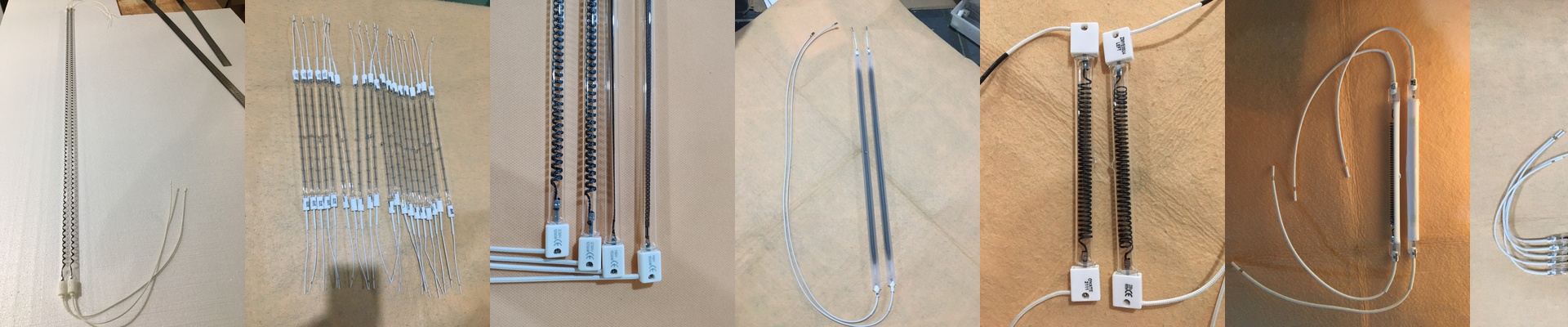
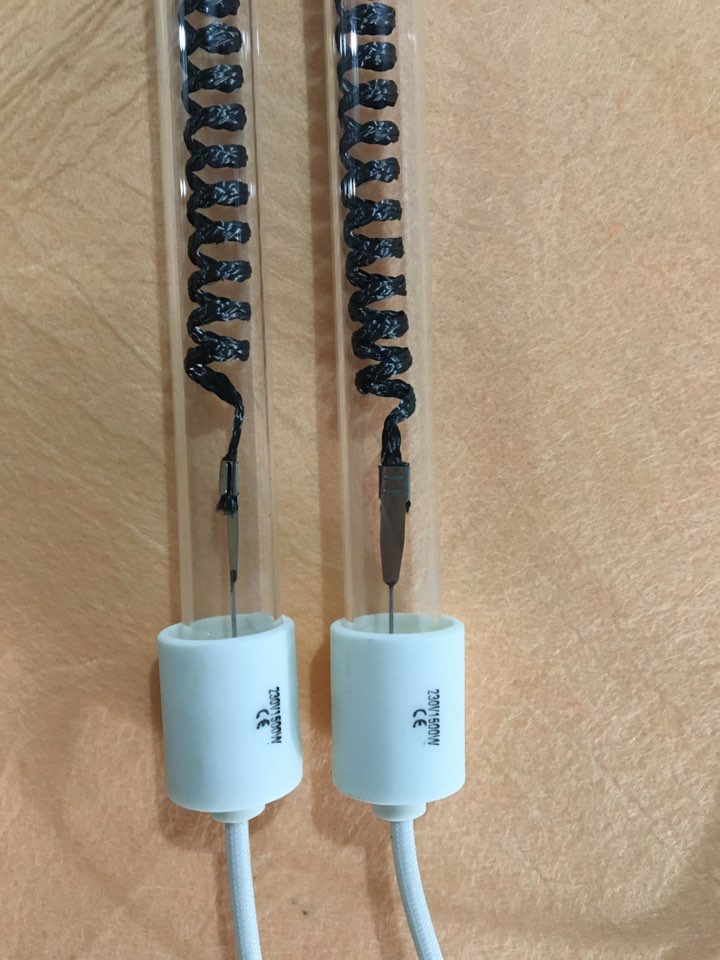
Getting Your Bakery Bread Just Right with Carbon Fiber Heat
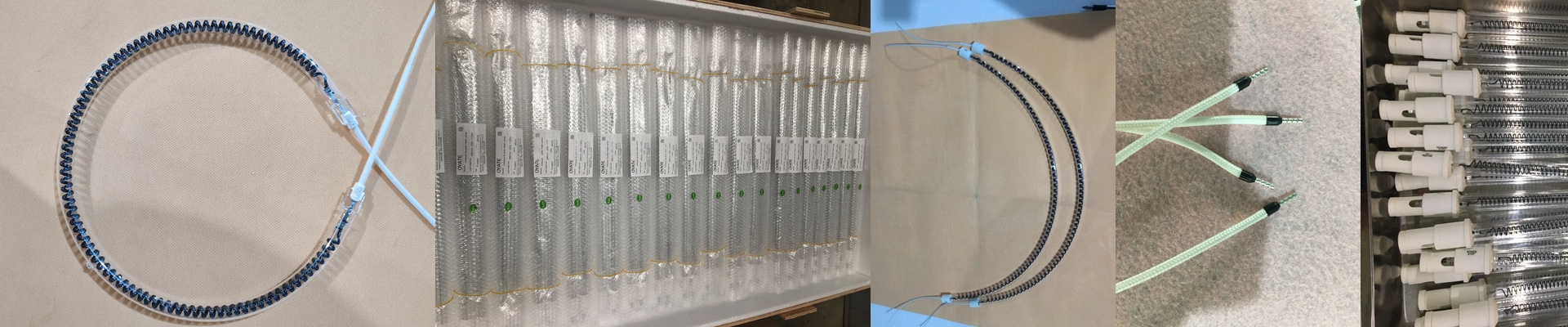
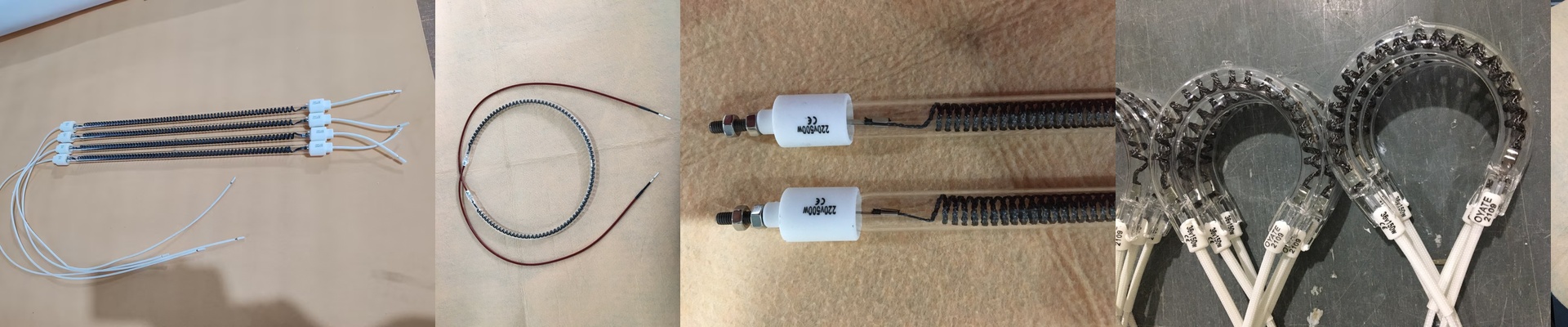
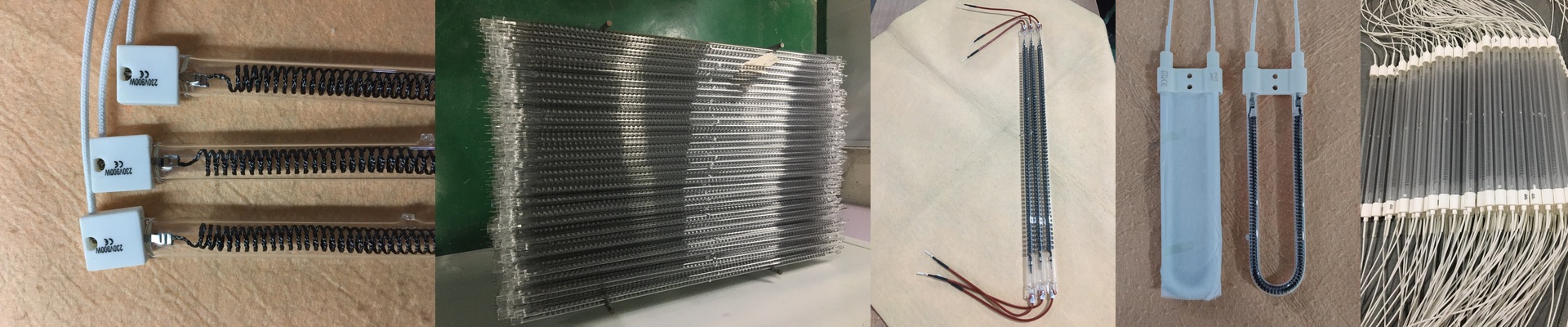
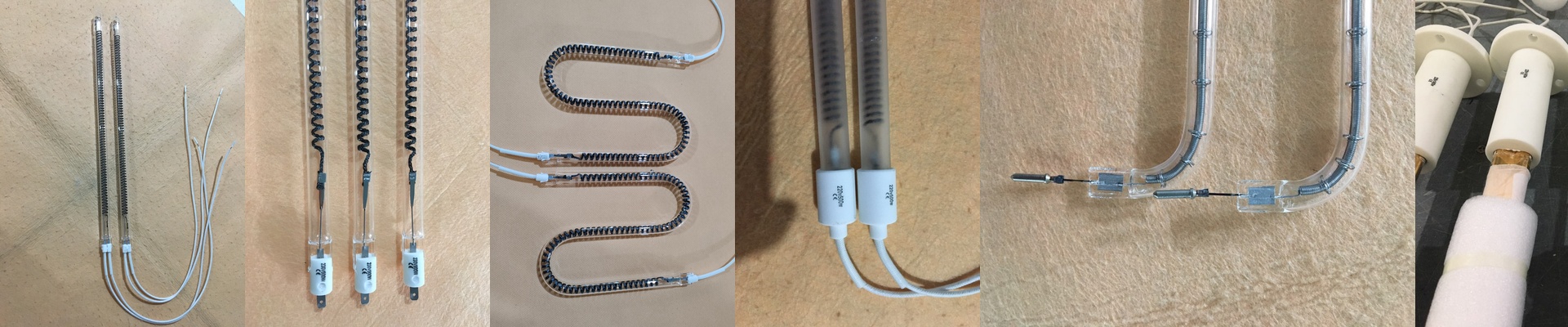
If you’ve ever struggled to get that perfect, crackly crust without turning the inside of your bread into a crouton, you know the struggle. That’s where our carbon fiber infrared lamps come in. Basically, we use carbon fiber filaments tucked inside quartz glass. It hits the bread with a quick burst of short-wave heat. Unlike those old-school metal coils, these get scorching hot on the surface almost instantly. It’s the secret to that “flash-crisp” effect—you get the crunch on the outside while the center stays soft and fluffy. Let’s talk power. These lamps are built for speed. Because the power is concentrated into a tiny carbon filament, they react way faster than those chunky ceramic heaters. Here’s the thing: you can actually tune these to your conveyor belt. If you’re running a fast line, you just bump up the wattage. That way, the bread hits the right core temperature before it even leaves the tunnel. The nuts and bolts The quartz glass isn’t just for looks; it keeps the filament from burning out. We also use specific end-caps to make sure the electrical connection is tight. No sparks, no arcs, no headaches. And because carbon fiber puts out a wider spectrum of heat, it actually sinks into the bread rather than just sitting on top. But a quick tip:**keep an eye on your reflectors.**If they get dirty or warped, you’re wasting heat. Your lamps will have to work twice as hard to make up for it, which isn’t great for your electric bill or the life of the bulb. A few things to watch out for Because these lamps get so intensely hot, the quartz is a bit temperamental. Whatever you do, don’t spray them with water or touch them with a cold rag while they’re hot. They’ll crack instantly. It’s a heartbreaking sound. To keep things running smoothly, I’d suggest adding a timed pre-heat cycle to your control panel. It’s a simple move that stops the filaments from burning out early. Also, just double-check that your wiring can handle the current—especially if you’ve got long production lines—so you don’t run into any weird voltage drops.