Getting Your Paper Dry: The Lowdown on Carbon Fiber IR Lamps
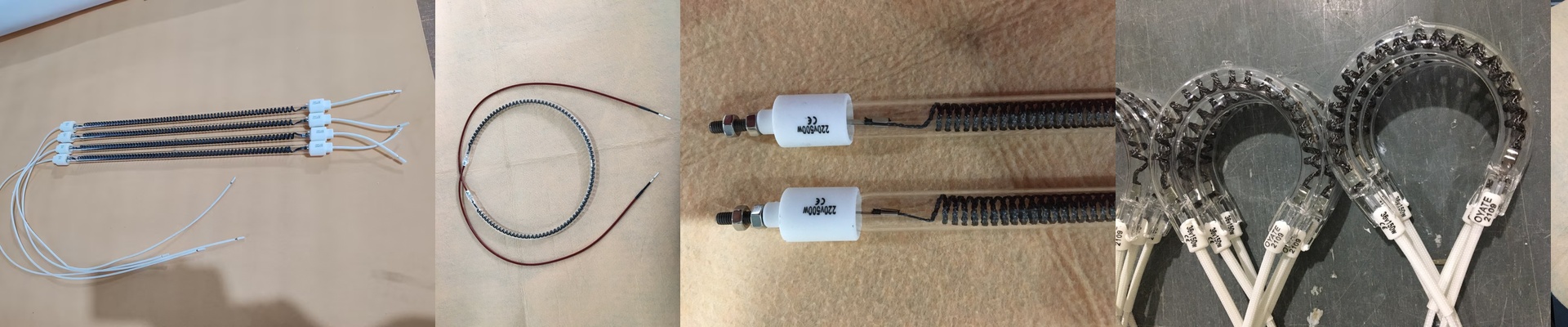
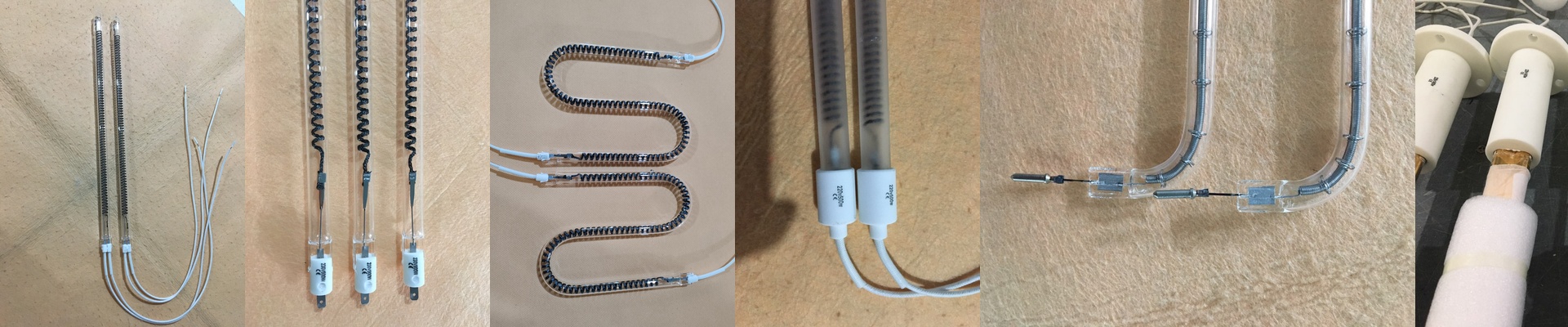
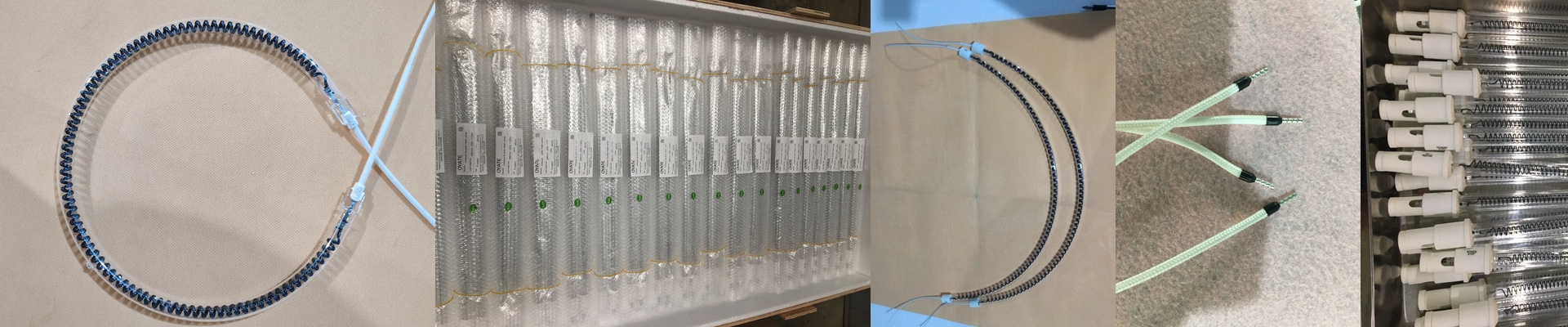
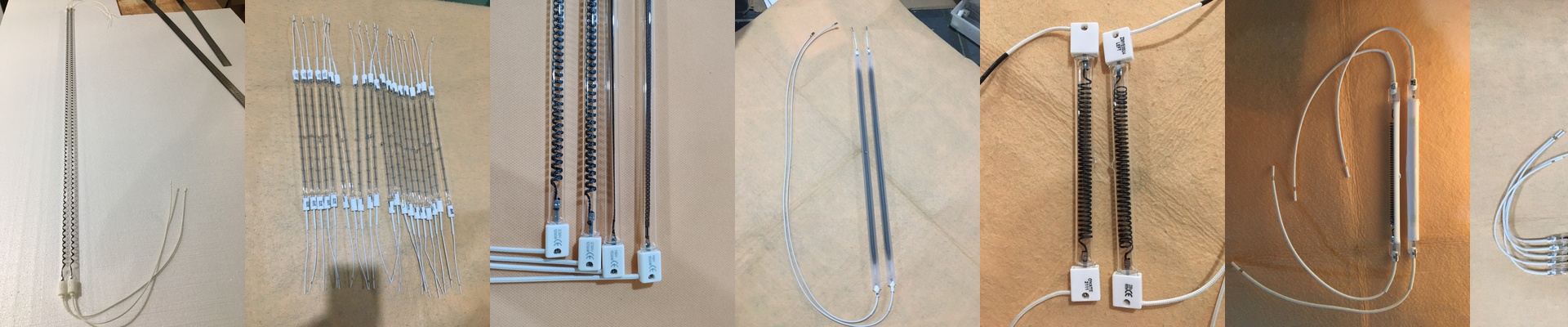
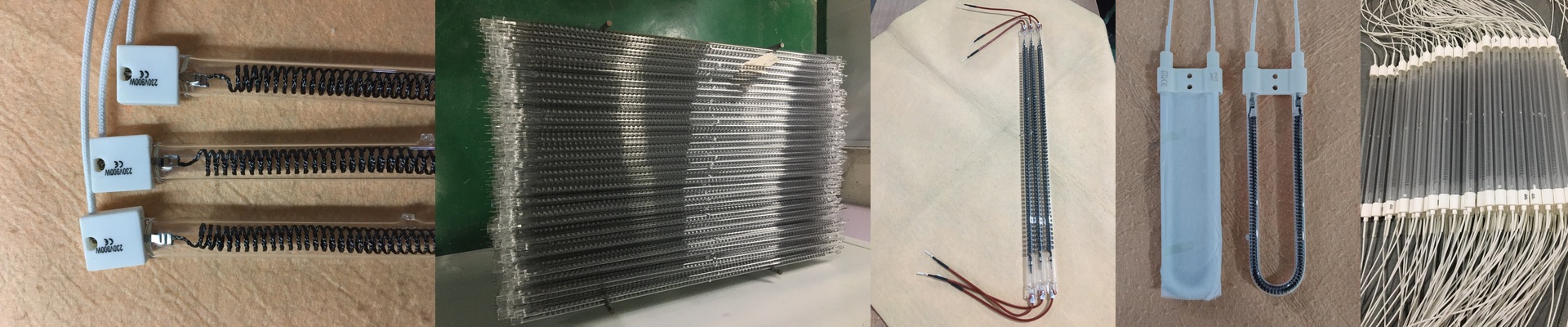
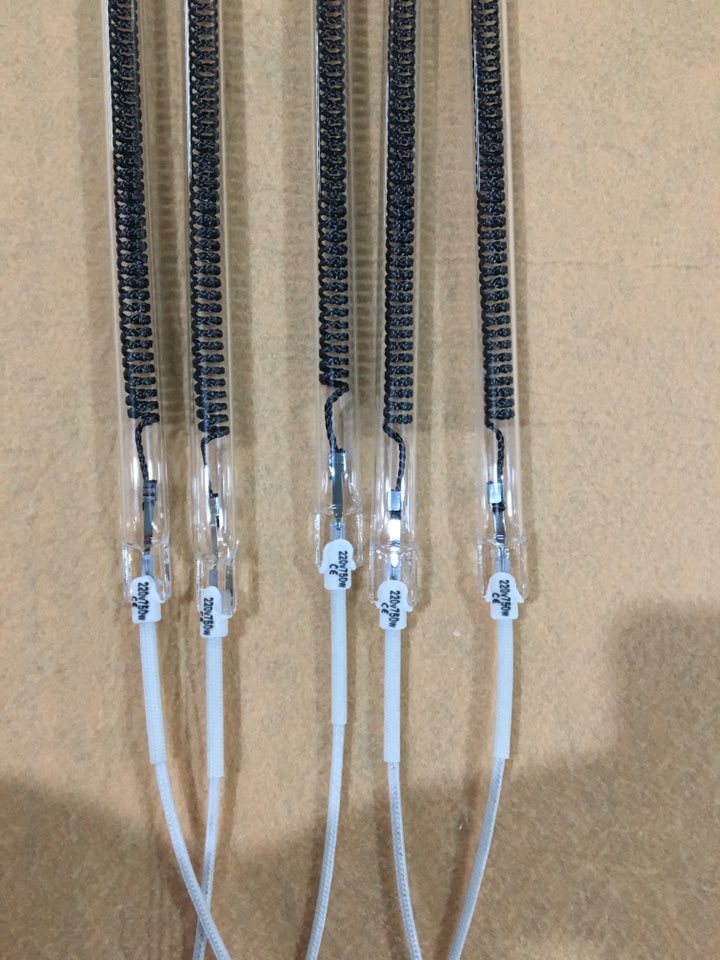
If you’re running a high-speed paper drying line, you know the struggle. You need the moisture gone, and you need it gone now, but you can’t afford to torch the paper in the process. That’s where our carbon fiber IR lamps come in. We basically take a carbon fiber filament, tuck it inside a quartz envelope, and create a heat source that hits the paper exactly where it needs to. It doesn’t just sit on the surface; it actually gets into the fibers to push the water out. Which one should you pick? We’ve got two main options: 800W and 1200W. If you’re working with thinner paper or just doing some final touch-ups, the800Wis your best bet. It’s steady and reliable. But if you’re dealing with heavy-duty boards or thick coatings that need a “flash dry,” go with the1200W. It packs the punch you need to dry the core of the material without scorching the top. Why carbon fiber? Here’s the thing: old-school metal filaments get incredibly hot, but a lot of that energy just disappears into the air. It’s a waste. Carbon fiber is different. It operates at a lower temperature but sends out medium-to-long wave IR. In plain English? The energy goes straight into the paper, not the room. One quick tip: the quartz tubes are tough, but they hate “pinch points.” Make sure your mounting clips aren’t squeezing the glass too tight. If there’s too much stress in one spot, the tube might crack when you first fire it up. Setting them up These are pretty much “plug and play” replacements for most standard IR heaters. But a word of caution—don’t just wing the power supply. Match it to the wattage, or you’ll burn them out way faster than you should. Also, if you go with the 1200W arrays, keep an eye on your airflow. Those things get hot. Really hot. If your ventilation is a bit weak, the heat can soak into the housing and fry your wiring over time. If your setup hits 150°C, do yourself a favor and use high-temp silicone leads. It’ll save you a massive headache down the road.