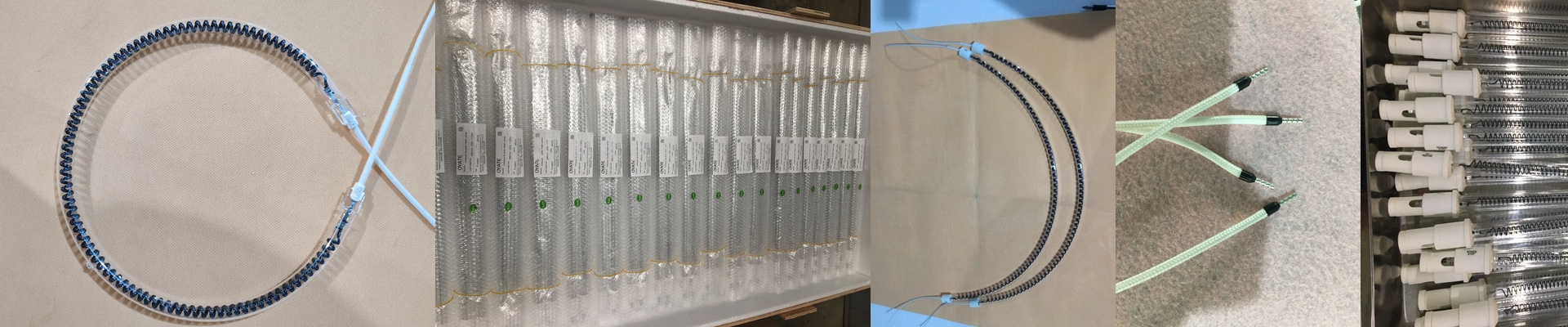
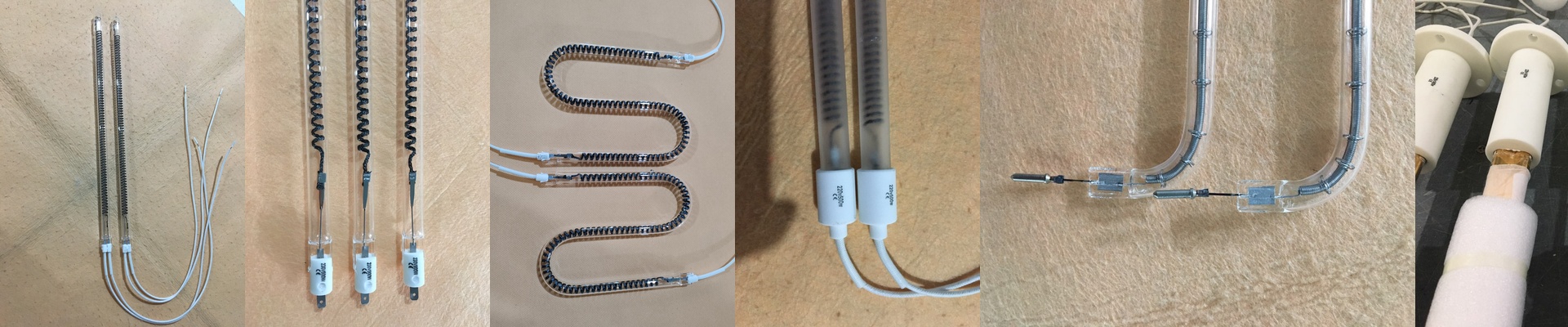
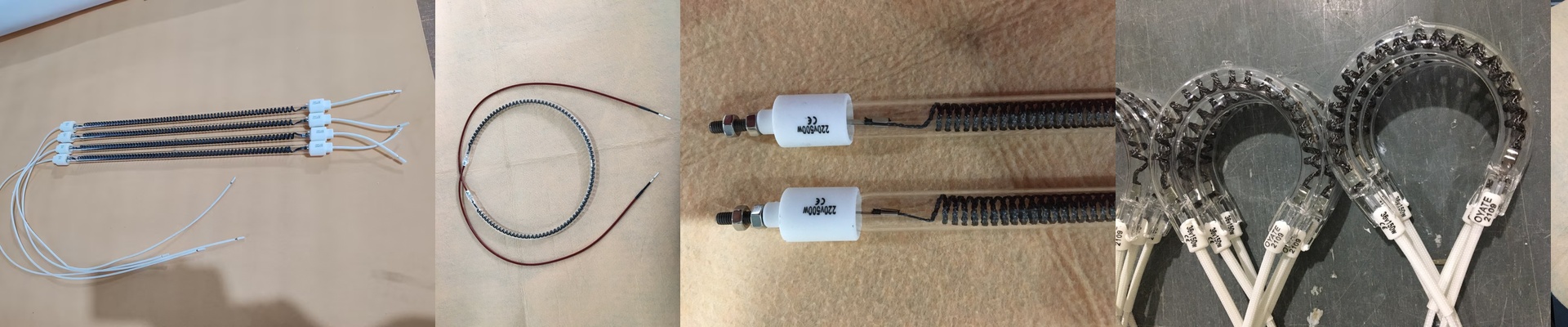
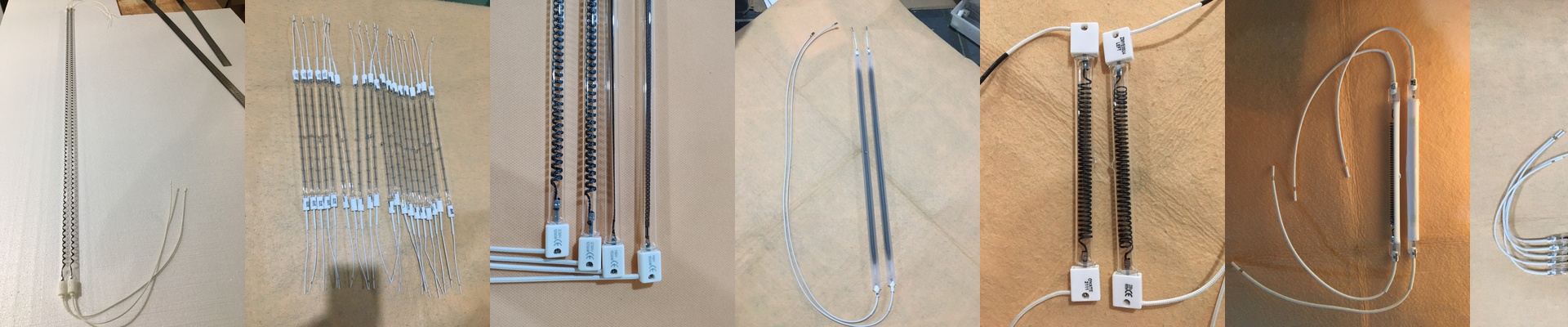
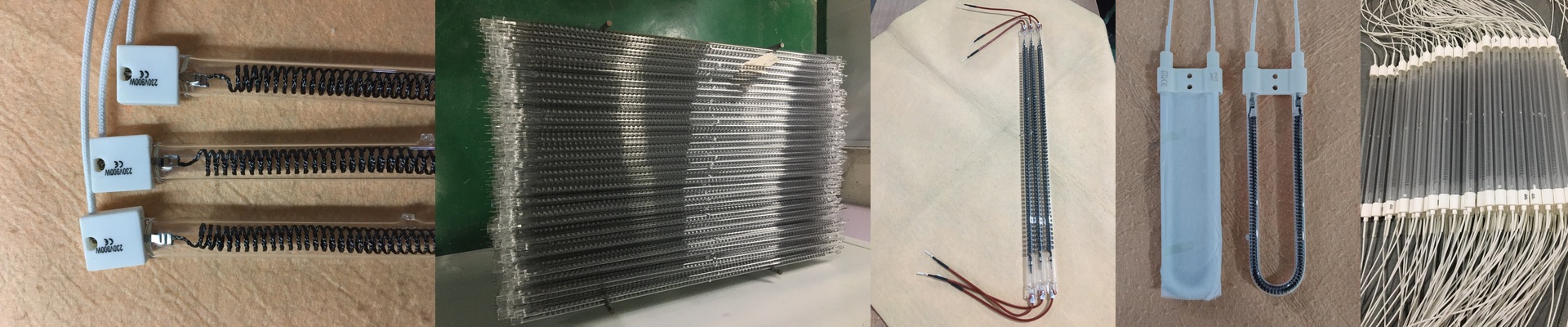
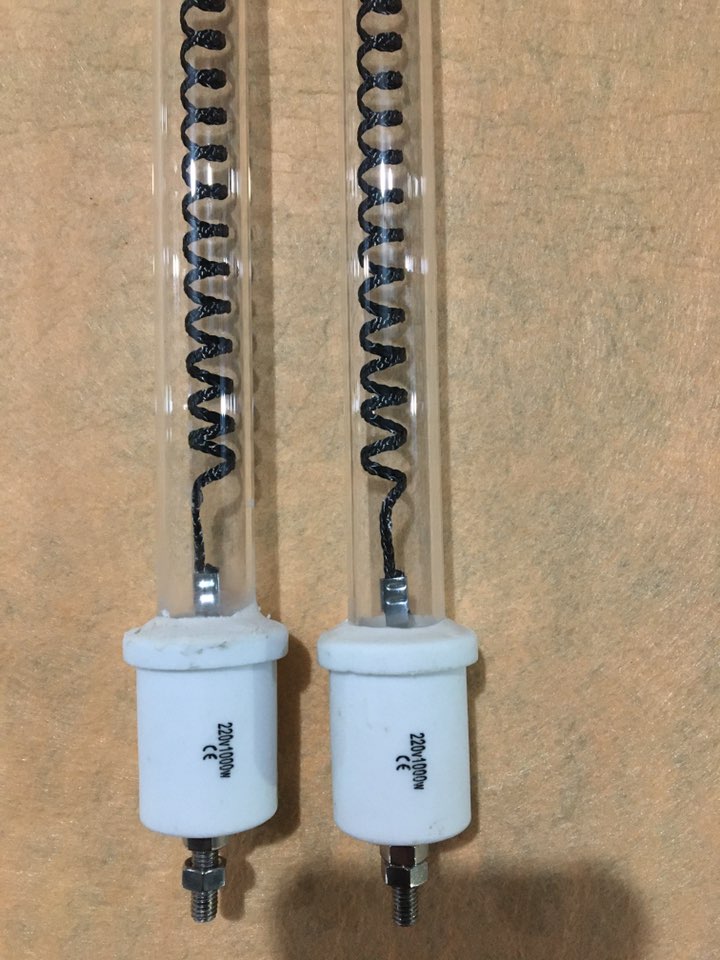
Let’s Talk carbon Fiber IR Heaters
If you’ve ever dealt with old-school metal alloy coils, you know they have a habit of sagging once things get really hot. That’s why we use carbon fiber filaments wrapped in high-purity quartz. They can take the heat without warping, which is a lifesaver when you need that intense, rapid-fire heat transfer. Getting the power right Here’s the thing about heat flux: if you cram high wattage into a short tube, you get a massive punch of heat. It’s great for curing or drying things in a fraction of the time. But you’ve got to be careful with your power supply. If the voltage doesn’t match the lamp, you’ll fry the filament before you even get started. Plus, if you’re wiring up a long row of these, going with a high-voltage setup keeps the current draw low. It means you don’t have to lug around ridiculously thick cables. The gear and the glass We stick with quartz glass for a simple reason: it stays out of the way. It lets the short and medium-wave radiation pass straight through so the heat actually hits your workpiece instead of just heating up the lamp housing. Sometimes we add a coating to tweak the spectrum or just add a layer of protection. As for the ends, we use standard R7s or Sk15 connectors. They just slide right into most industrial ovens. No need to tear out your sockets and start from scratch. Real-world tips You’ll see these all over the place in plastic welding or PET bottle blowing because they hit the target temperature in seconds. It’s incredibly fast. But a word of warning: that quartz tube is fragile. If your machine vibrates too much or you tighten the mounting brackets like a vice, the glass will snap. And don’t forget the airflow. Make sure your cooling fans are actually doing their job around the lamp ends. If that area gets too hot, your connectors will literally melt. Not a great look.