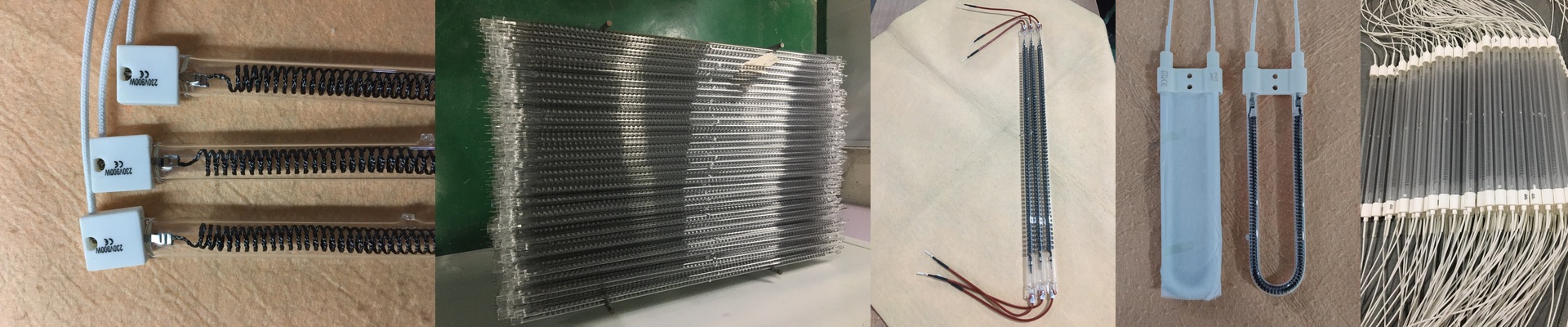
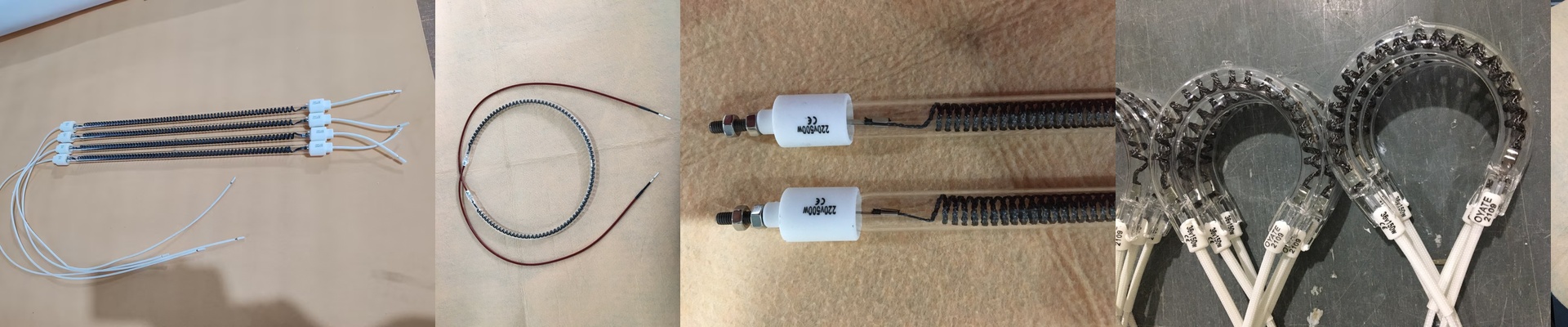
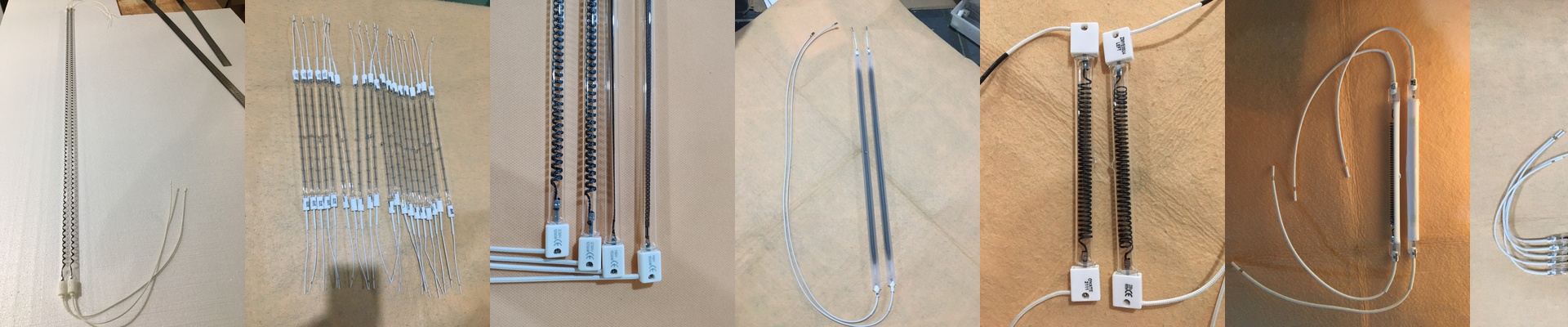
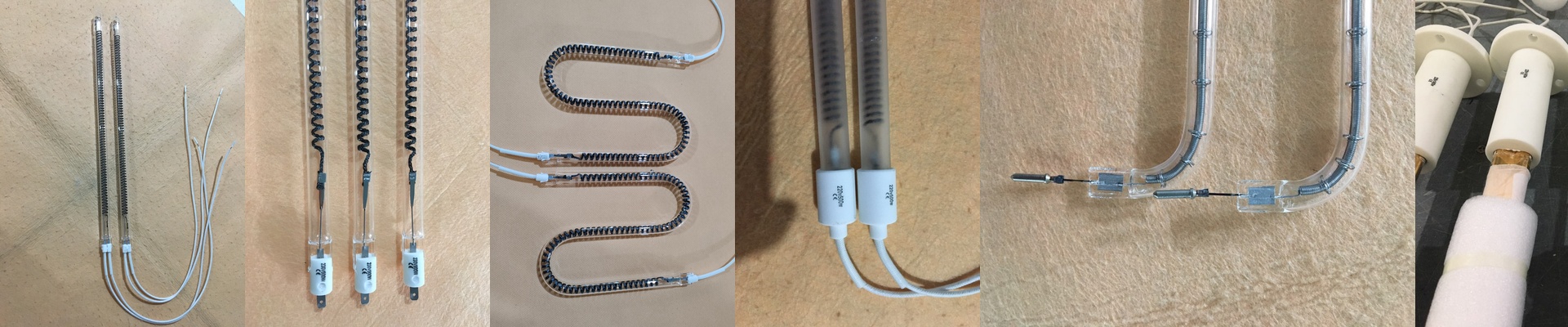
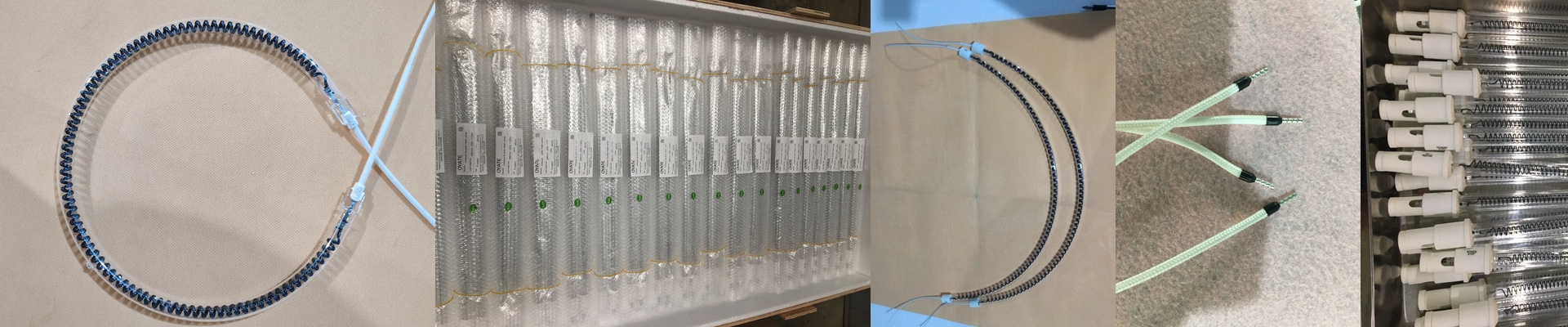
Let’s talk about 220V 1000W Carbon Fiber Heating Lamps
We built these lamps for one reason: to get industrial drying and curing done right. If you’ve used old-school metal alloy filaments, you know the struggle. They tend to sag when things get hot. Not these. The carbon fiber emitter stays put, which means you get a steady, even heat profile across the whole tube. No cold spots, no guessing.
The power side of things
We landed on 220V and 1000W because it’s the sweet spot. It gives you enough punch to hit operating temperature almost instantly. And in a production line, speed is everything. The faster you ramp up, the faster your cycle finishes. Just a heads-up: make sure your wiring and controllers can actually handle 1000W. You don’t want your terminals overheating because the cables were too thin.
Why carbon fiber?
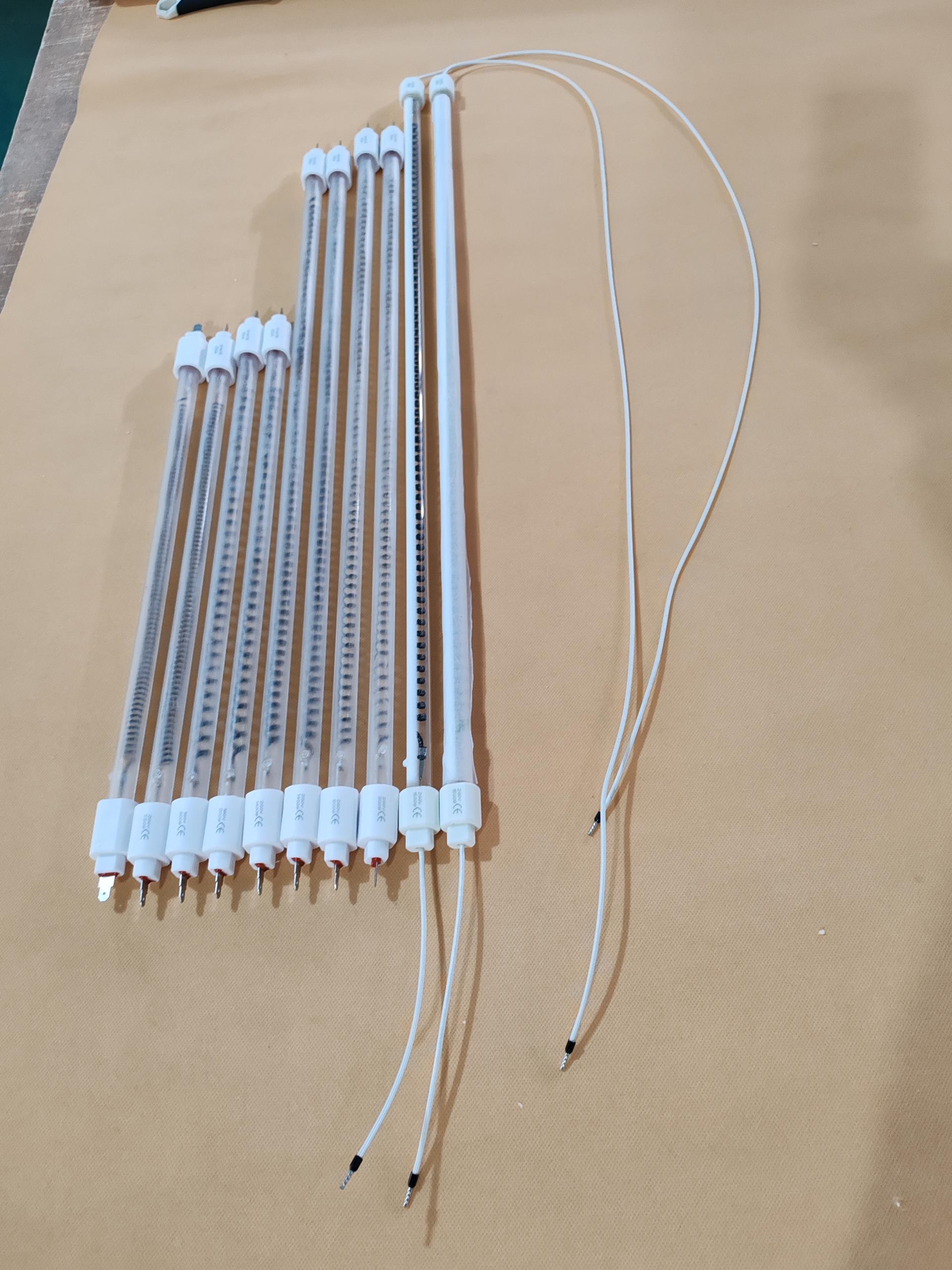
The filament is tucked inside a clear quartz envelope. Here is the cool part: these lamps put out medium-to-long wave infrared energy. That’s a fancy way of saying the heat actually sinks deep into your materials instead of just scorching the surface like a halogen lamp does. We kept the glass crystal clear so the rays hit your target without any interference. Plus, if you’re still using tungsten, these are a breeze to swap in. They just last longer because carbon doesn’t burn out nearly as fast when you’re flicking them on and off all day.
Real-world use (and a few warnings)
You’ll mostly see these working hard in PET blowing machines, paint tunnels, or plastic welding setups. When you need to soften polymers fast, that 1000W output does the heavy lifting. But, there are two things you need to watch out for. First, these things hate being shaken. If your gear vibrates a lot, please use dampened mounts. If you don’t, the quartz tube can crack, and then you’ve got a problem. Second, keep them clean. It sounds simple, but dust is the enemy here. Dust creates hot spots on the glass, and that’s a one-way ticket to a dead lamp. Keep it wiped down, and it’ll keep humming along.