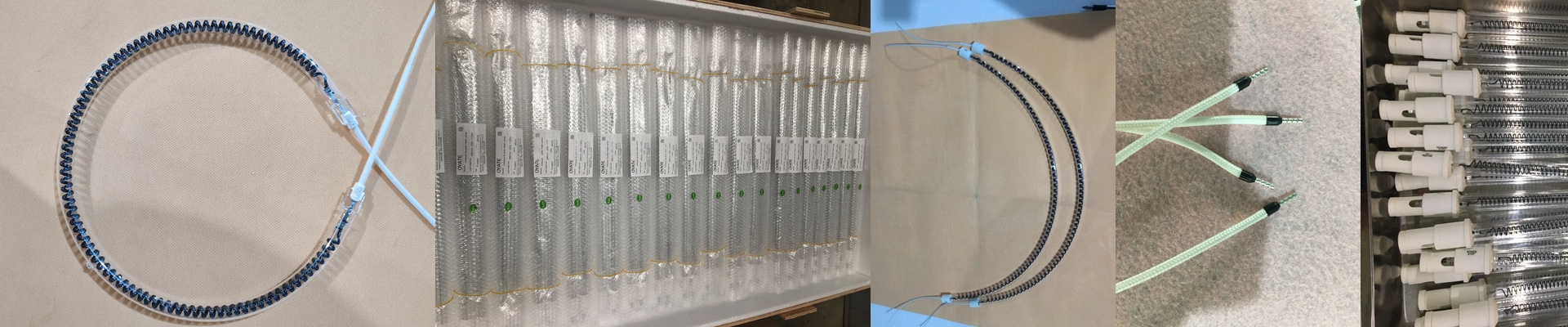
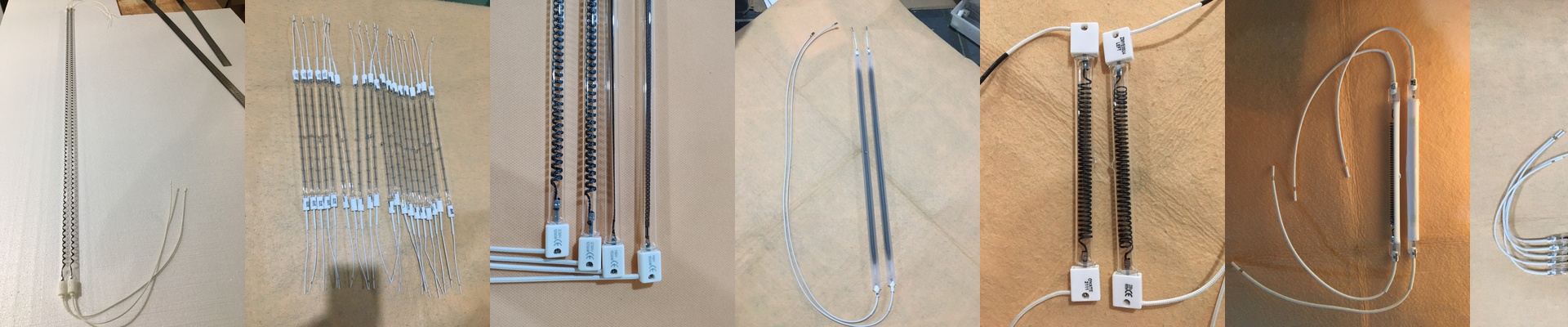
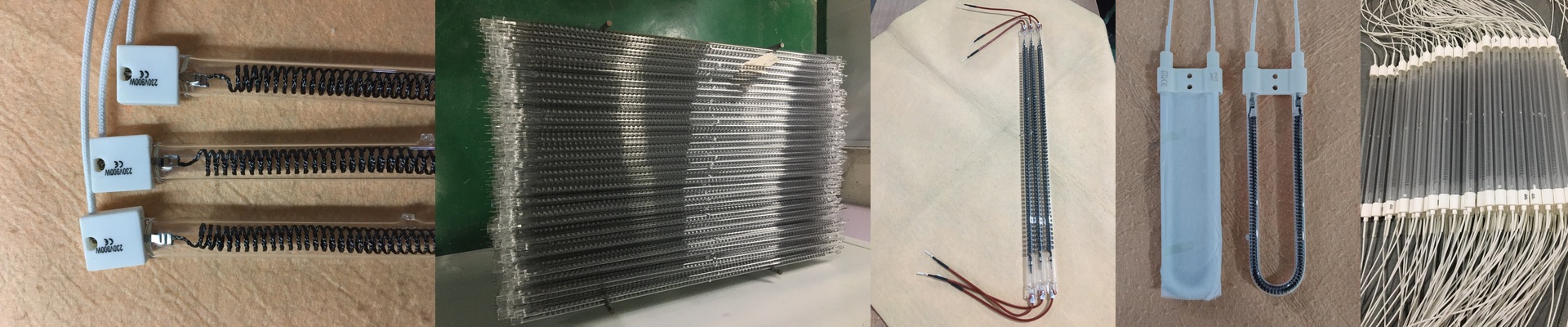
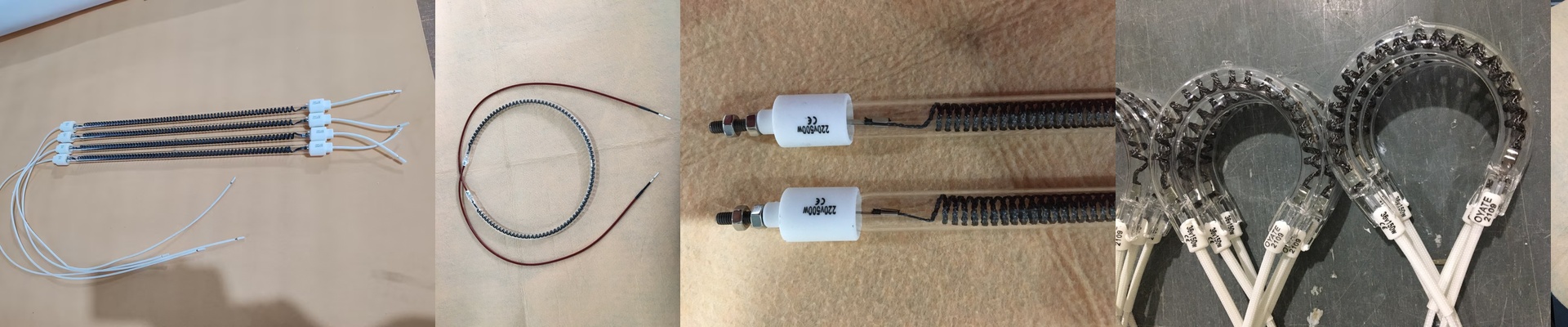
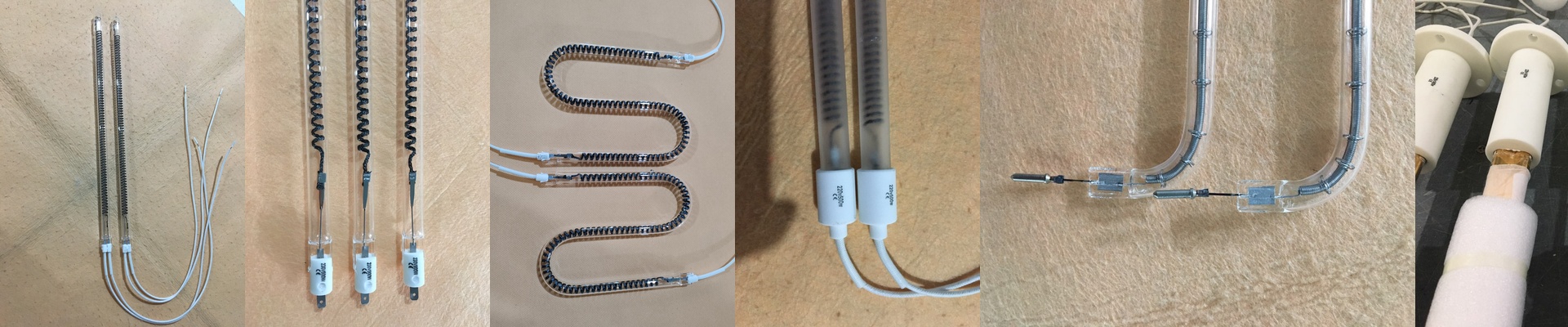
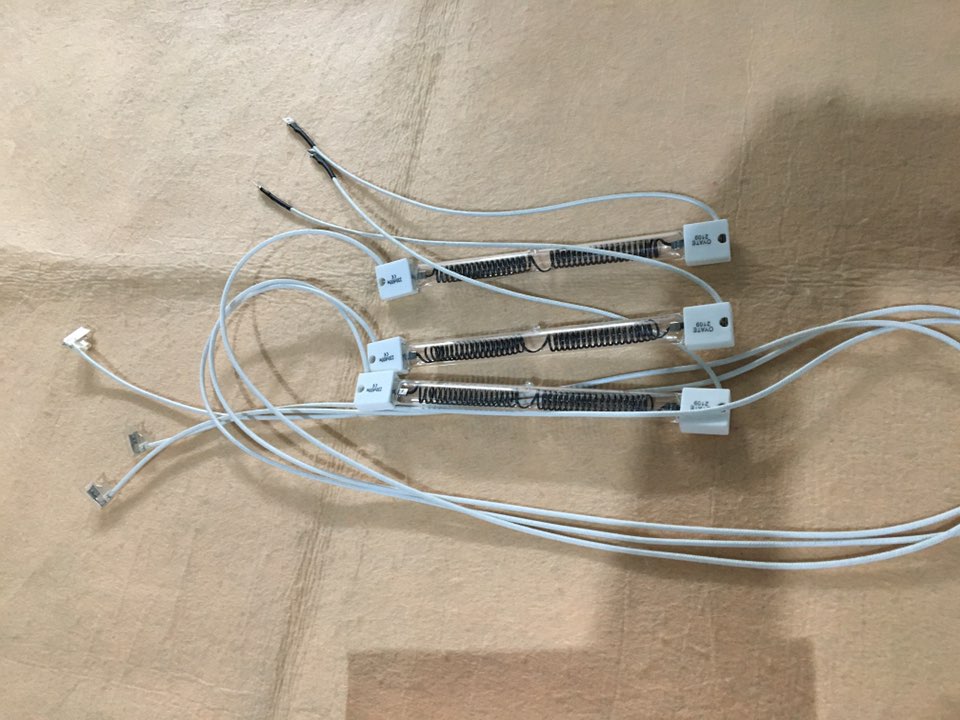
230V 1000W Carbon Fiber Heat Lamp: Power You Can Count On, Built for the Real World
Let’s talk about a heat lamp that actually shows up for work. If you’re running industrial heating, you need something that responds fast, holds steady, and fits into the space you already have. That’s exactly what this 230V 1000W carbon fiber heat lamp brings to the table. We built it at 230V because that’s what most plants run on. So you can wire it in without reworking the whole electrical setup. And the 1000W output? It gives you predictable heat—enough to pre-heat molds, dry coatings, or keep materials at temperature on the line, without pushing your system into overkill.
The Specs, Without the Fluff
At 230V and 1000W, the current draw is straightforward. That makes control wiring simpler and lowers the risk of undersized cables. The carbon fiber element heats up fast. I mean, really fast. So when your cycle times are tight, you’re not waiting around. It jumps to temperature quickly and responds right away when you change the setpoint. And the size? It’s designed to drop right into standard fixtures and fit into tight machine bays. In many cases, it’s a straight swap for what you’re already using.
Built to Take the Heat—Again and Again
The carbon fiber element spreads heat evenly along the whole lamp. No hot spots that could damage parts or mess up your process. The housing is quartz, which handles thermal shock beautifully. It can take the daily grind of heating up and cooling down without cracking. The terminations are made for real-world conditions. They hold up to vibration, stand up to repeated maintenance, and the connector setup lets you swap lamps quickly when you need to.
Where This Lamp Shines
This is for the days when uptime matters and the temperature needs to stay rock-solid. Think plastics heating, adhesive curing, component drying—anywhere steady heat is non-negotiable. It installs without drama, runs the way you expect, and delivers repeatable heat, shift after shift. One thing to keep in mind: 1000W is serious heat, and it comes on strong. Make sure the surrounding area has enough clearance and ventilation so everything stays within safe operating temps.