The Real Deal on Carbon Fiber Infrared Lamps
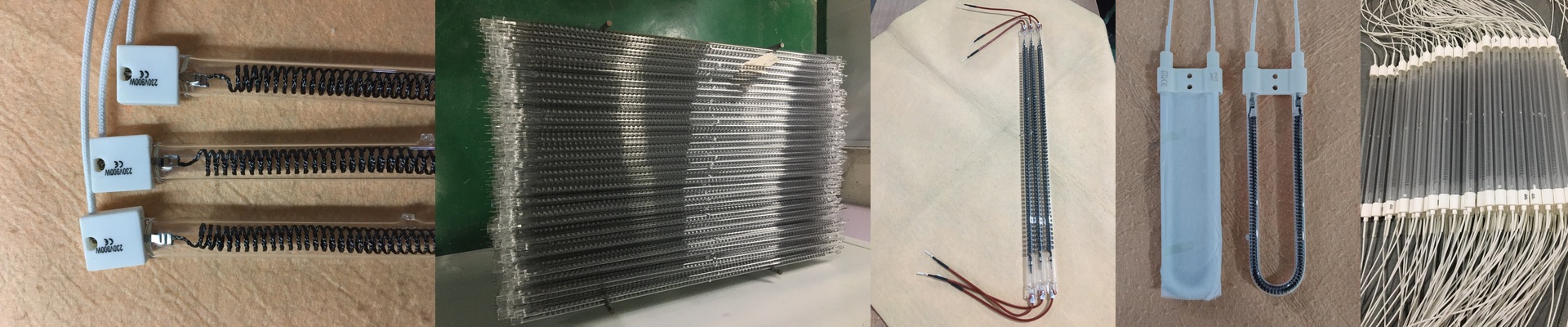
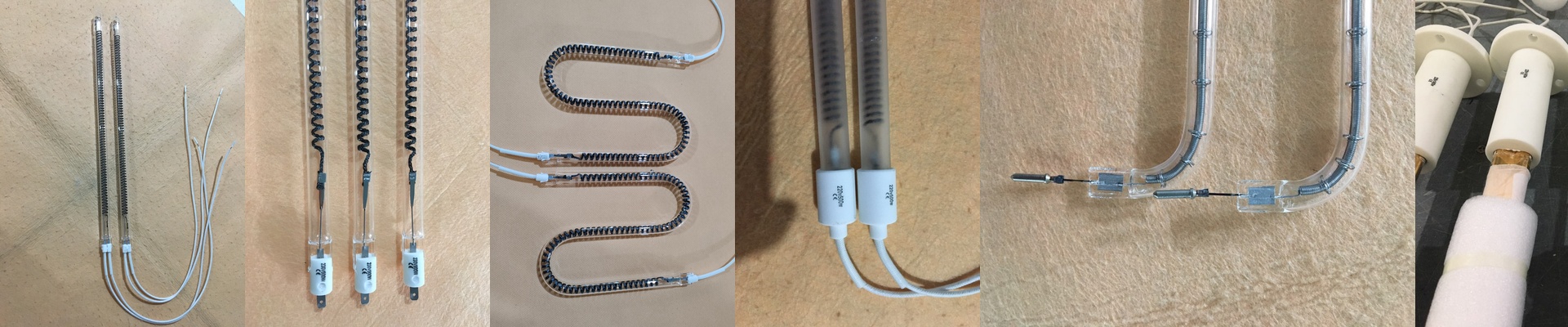
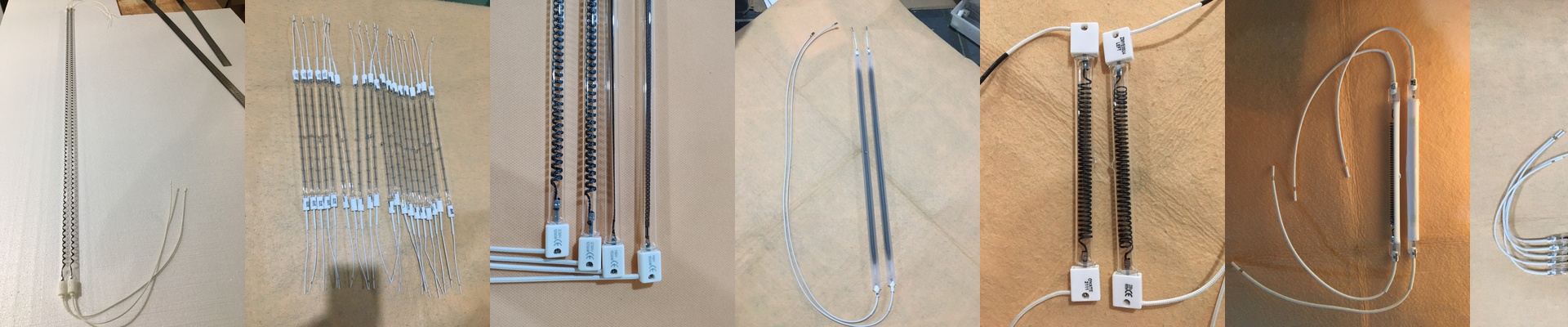
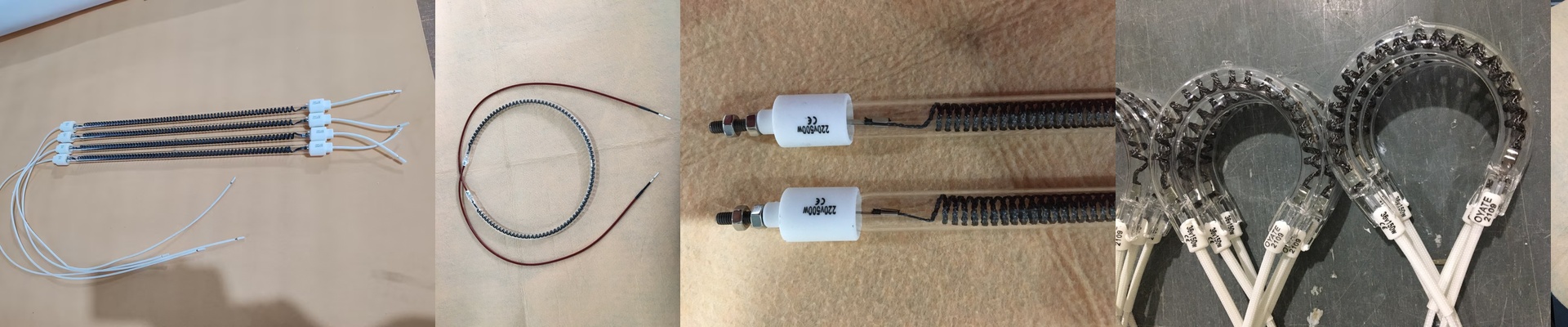
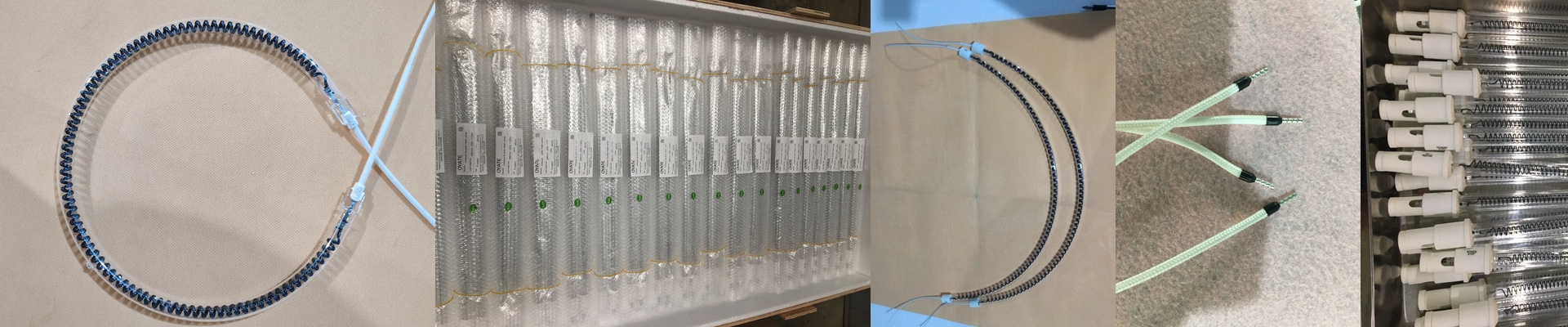
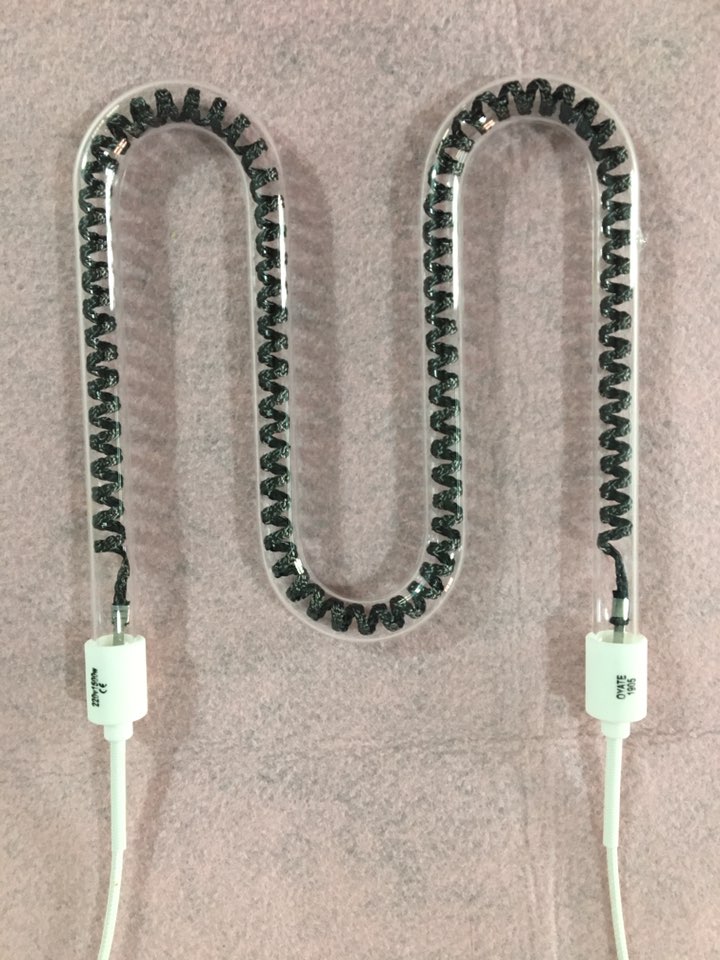
If you’re tired of waiting forever for your heaters to warm up, you’re going to love these quartz glass carbon fiber lamps. Most traditional heaters take their sweet time getting up to temperature. These don’t. They hit the ground running, delivering high-intensity heat almost instantly. It’s all about that carbon fiber filament tucked inside a high-purity quartz tube. It shifts the energy so you get a concentrated blast of infrared heat exactly where you need it. Let’s talk power. How much heat you get depends on your wattage and voltage. If you’re doing PET blowing or rapid surface curing, you’ll want the high-wattage tubes. They pack a punch. But here is a heads-up: keep your power supply stable. If you get voltage spikes, you’ll fry that carbon filament in no time. Also, since these things put out a massive amount of heat in a small space, make sure your housing has plenty of breathing room. You don’t want your circuitry melting because of poor ventilation. Why quartz? We use quartz because it’s a beast when it comes to thermal shock. It doesn’t crack when things get hot fast, and it lets the IR radiation slide right through without soaking it up. Plus, the carbon fiber filament spreads the heat evenly across the whole tube. No weird cold spots. When it comes to plugging them in, we usually go with R7s or Sk15 connectors. They’re basically drop-in replacements for most industrial setups. R7s is great because those spring-loaded contacts hold tight. If your machine shakes a lot, go with the Sk15—it handles vibration much better. Where this actually matters. You’ll see these in automotive paint lines, drying stations, and plastic forming. The best part? They hit target temperatures in seconds. That means your cycle times drop, and you get more done. But there is a catch. Quartz is fragile. **Whatever you do, do not touch the glass with your bare hands.**I mean it. The oils from your skin create tiny hotspots on the glass, and that’s how you get a premature failure. Throw on some gloves, make sure the lamp is snug in its clips so it doesn’t rattle, and you’re good to go.