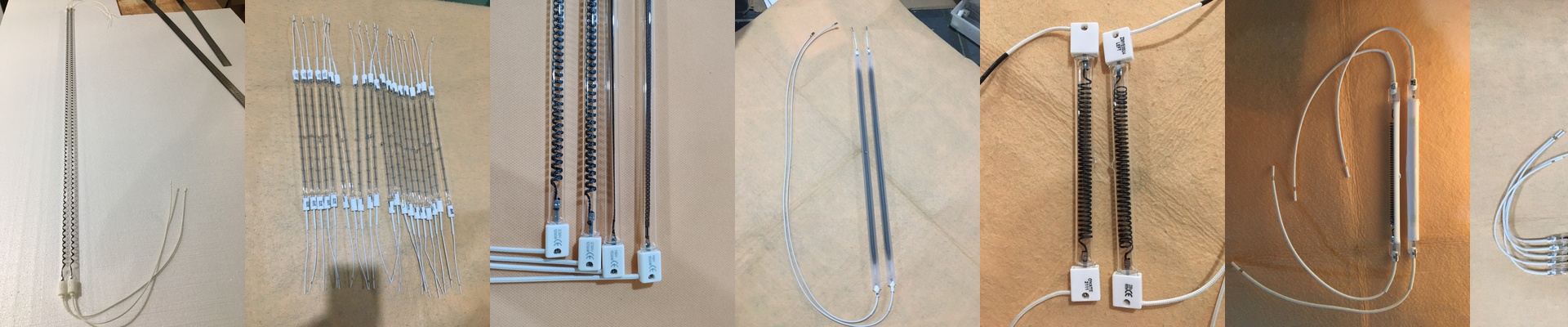
A No-Nonsense Guide to Short Wave Carbon Fiber Heating Lamps
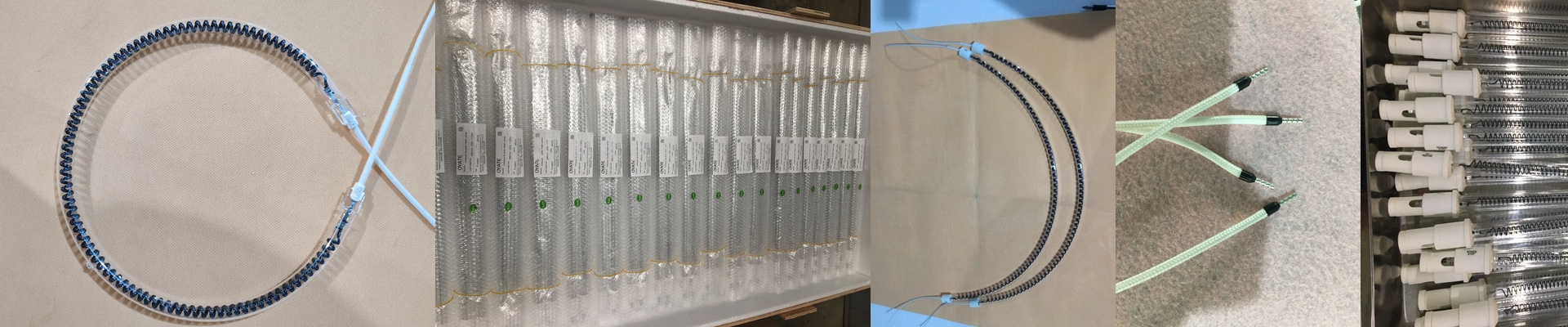
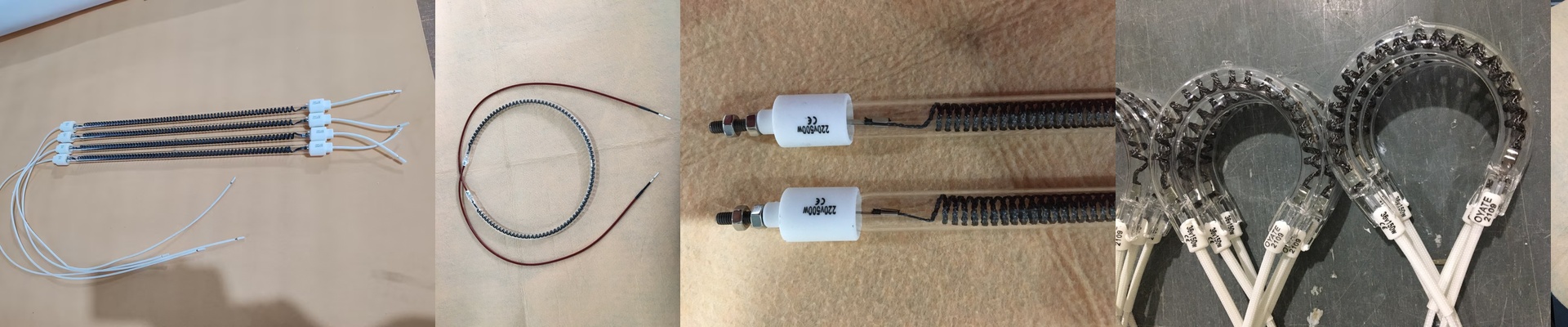
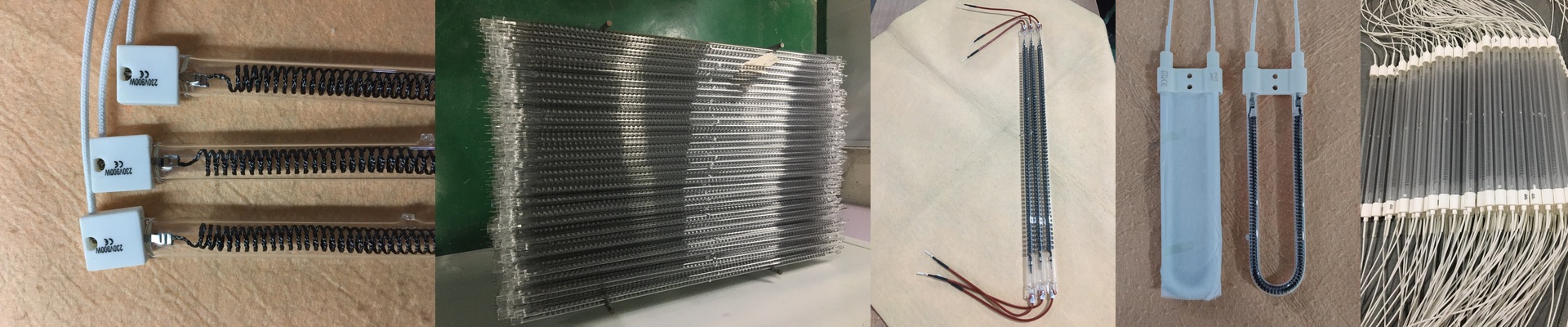
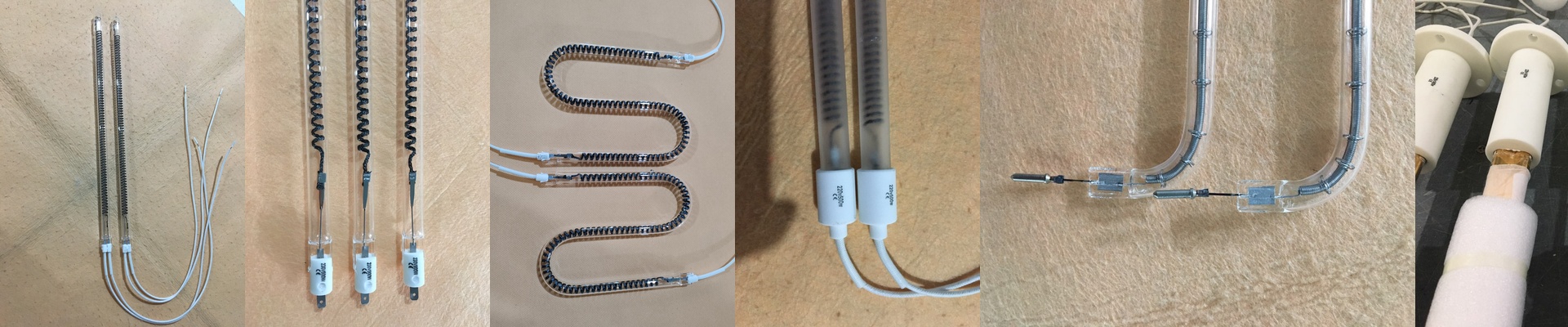
If you need heat right now, these lamps are your best bet. They use a carbon-filament core wrapped in quartz to pump out high-intensity infrared radiation. The big win here is speed. You aren’t wasting time waiting for the air around the lamp to warm up; the heat just hits the target instantly. Let’s talk power and voltage. It mostly comes down to how much wattage you can cram into a specific length. If you put a high-wattage tube in a short space, you get a seriously concentrated heat zone. We usually set these up for high-voltage industrial grids. Why? It keeps the current draw low, which means you don’t have to deal with massive, bulky wiring in your control cabinets. But here is a heads-up: if you’re running a high-density lamp, your housing needs to be able to handle the heat. If the ventilation is garbage, that quartz envelope is going to stress out and eventually crack. Not a fun day for anyone. What’s actually inside? The heart of the thing is that carbon fiber filament. It can take much higher temperatures than the old-school nichrome wire. Plus, it puts out a shorter wavelength, so the heat sinks into your workpiece way faster. We wrap it in quartz glass because it lets that energy slide right through without soaking it up. As for the connections, we stick with standard R7s or Sk15 connectors. It makes maintenance a breeze. When a tube goes, you don’t have to tear apart your whole rig or rewire everything. You just pop the old one out and slide a new one in. Done. Using them in the real world. You’ll see these all over the place for things like PET bottle blowing and curing plastics. Because the short-wave energy penetrates the material so quickly, your cycle times drop. It’s a much faster ramp-up than you’d get with medium-wave heaters. Just be careful. This stuff is intense. If the distance between the lamp and your part is off by even a bit, you risk scorching the surface. To keep things from getting out of hand, I highly recommend using a PID controller. It keeps the temperature steady so you don’t accidentally fry your substrate.