Keeping Your Chicks Warm Without the Headache
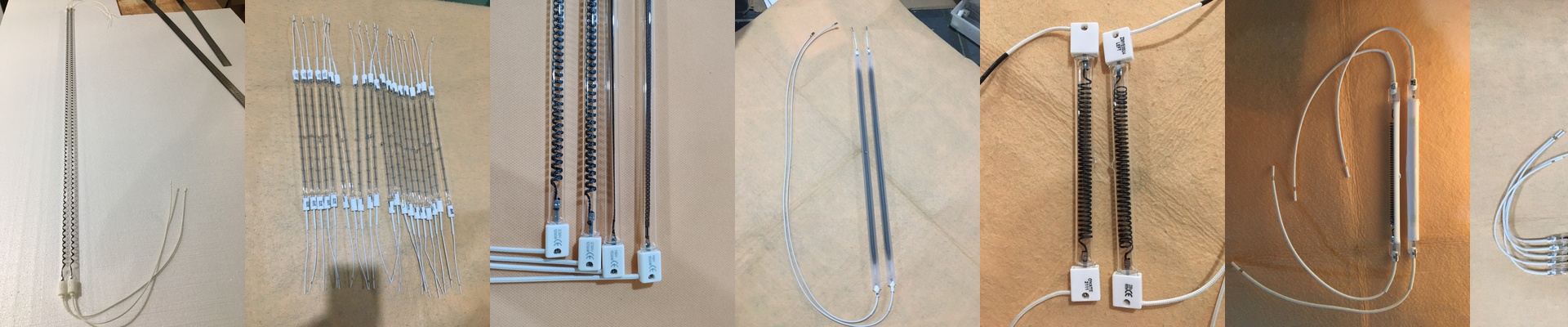
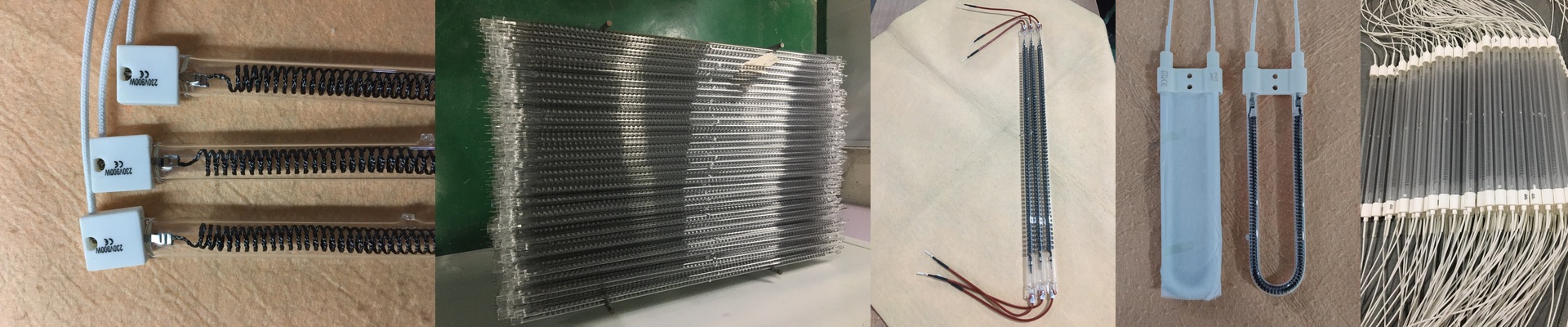
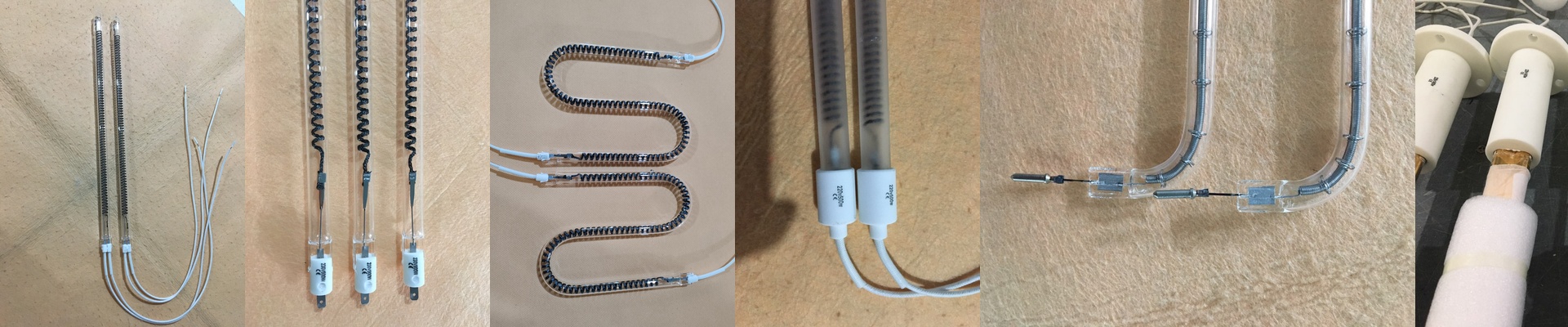
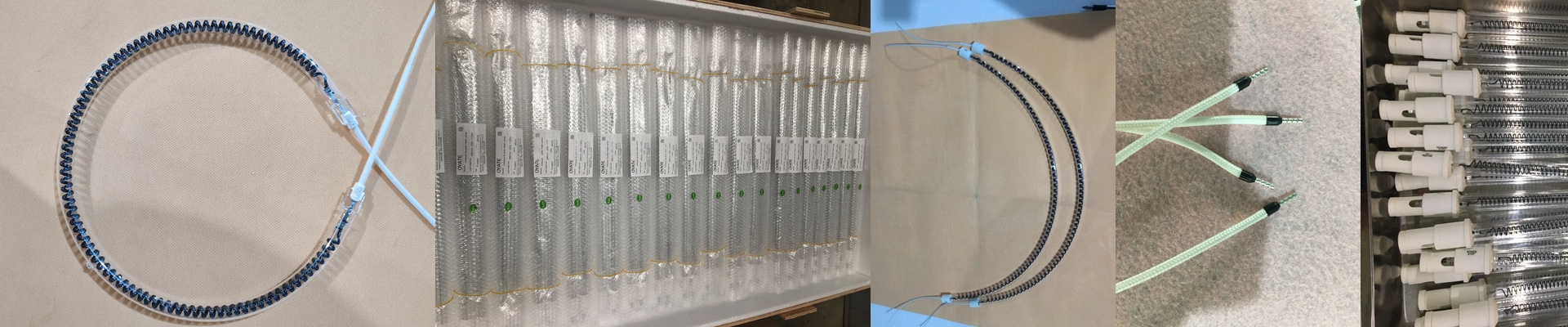
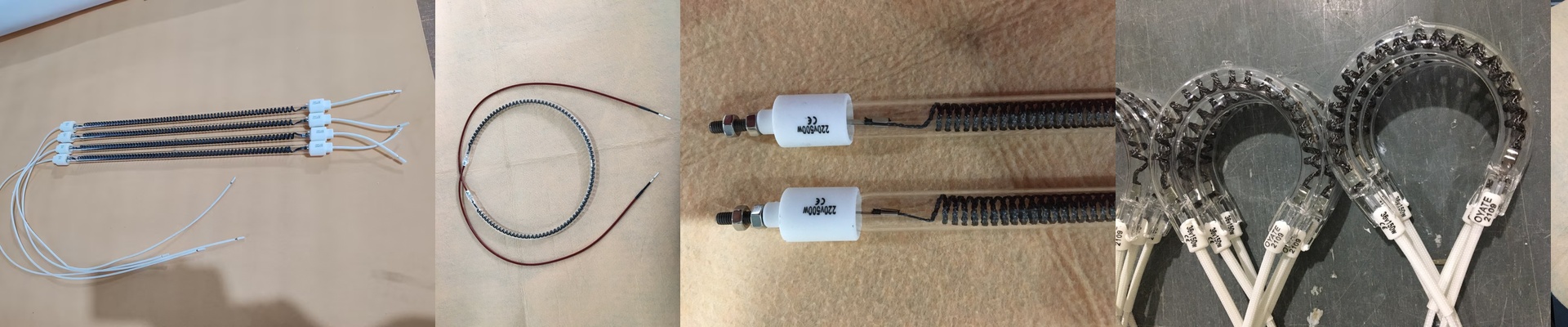
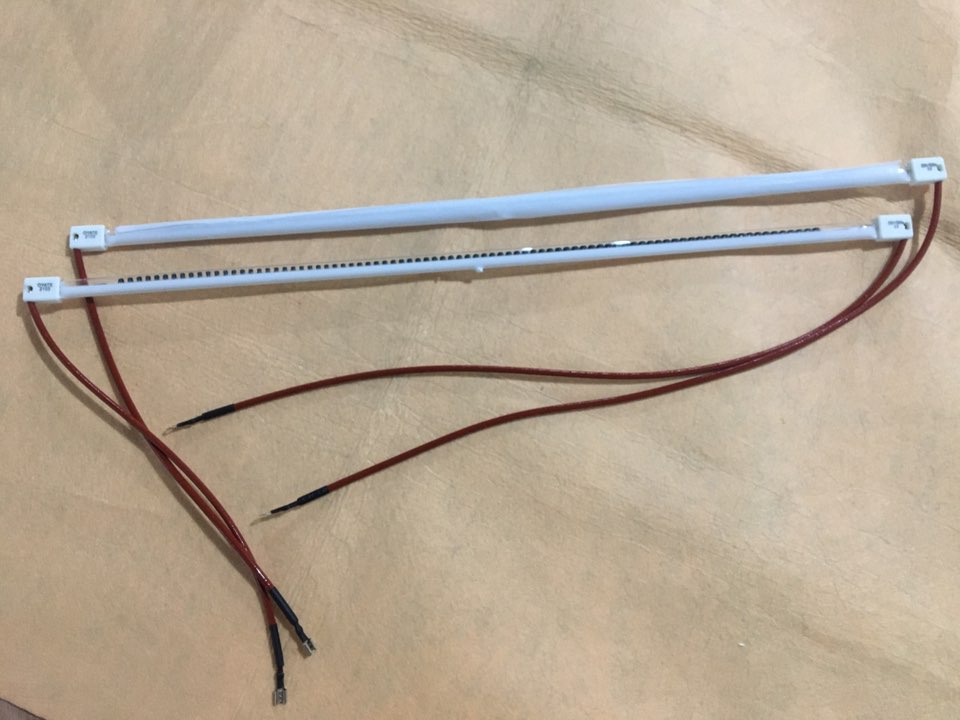
Let’s talk about heating. If you’re still using those old-school tungsten lamps, you know the drill. They’re okay, but we’ve moved on to carbon infrared emitters for a reason. Instead of a basic filament, these use carbon fiber tucked inside a quartz tube. It sounds technical, but here is what it actually means for you: the heat is different. It’s a long-wave glow that feels more natural and hits the birds exactly where they need it. The nitty-gritty on power We’ve dialed these in so they don’t run scorching hot like those halogen lamps, but they still put out a steady, reliable warmth. One thing I always hear from folks is the fear of blowing a fuse. We’ve already handled that. We calibrate the voltage to fit standard poultry house grids, so you can wire up a whole row of lamps without worrying about your breakers tripping the second you flip the switch. Plus, we’ve balanced the wattage and length so you get a nice, wide blanket of heat. No more worrying about “death zones” or lethal hotspots where the chicks might overheat. Built for the chaos of a barn Look, poultry houses are messy. You’ve got dust, dander, and feed flying everywhere. That’s why we seal the carbon filament inside a high-purity quartz tube with gas-tight end-caps. It keeps the element from oxidizing (basically rusting away). We also made the quartz thick. Why? Because things get bumped during cleaning. It needs to be tough enough to take a hit without shattering. The real-world trade-offs Here is the best part: radiant heat goes straight to the chicks. It doesn’t waste time trying to heat the air or the ceiling of your building. It’s fast. Really fast. Which means your birds get warm the moment they need to be. But, I’ll be honest with you—quartz is still glass. If your mounting brackets are loose or your crew is a bit too rough when they’re working around them, they can crack. You’ve got to make sure they’re housed securely. And just like any lightbulb, they don’t last forever. Once the filament starts to thin out, you’ll notice the heat getting patchy. When that happens, just pop in a replacement and you’re back in business. Simple as that.