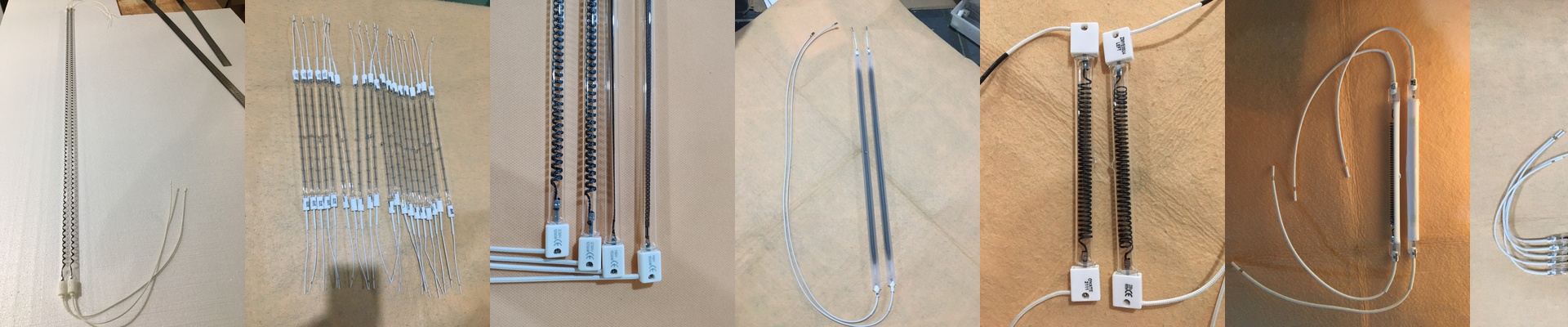
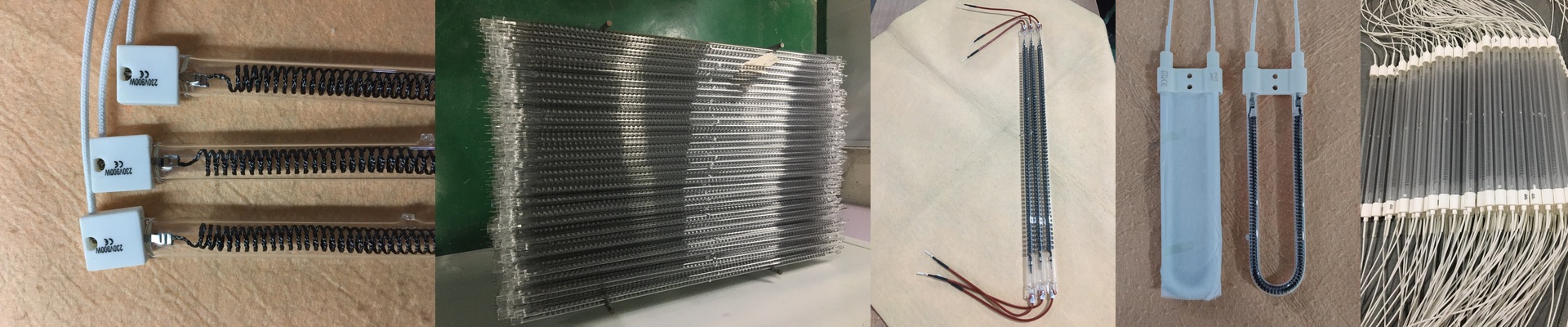
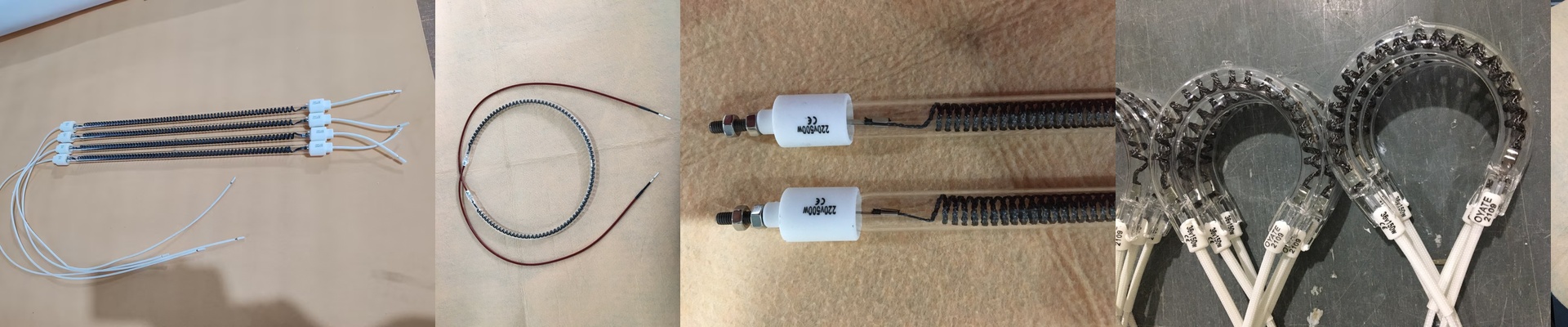
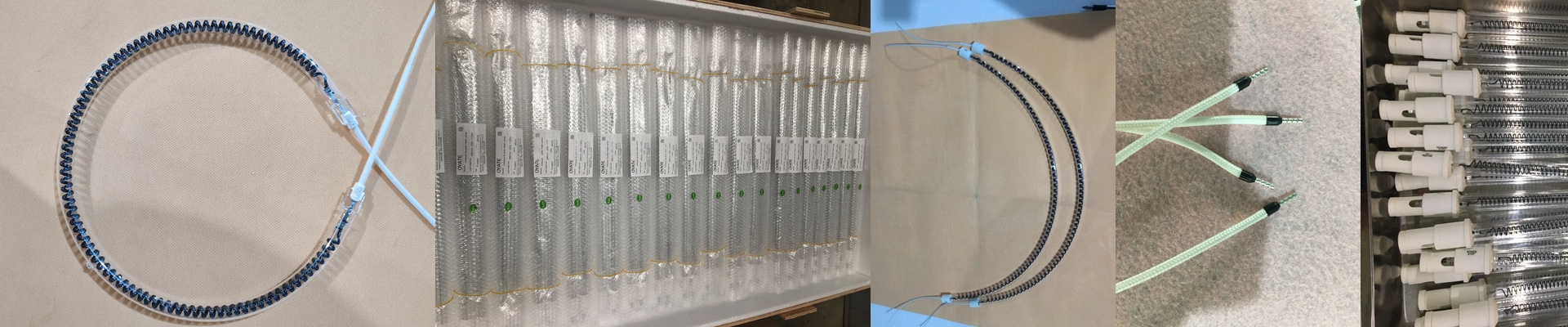
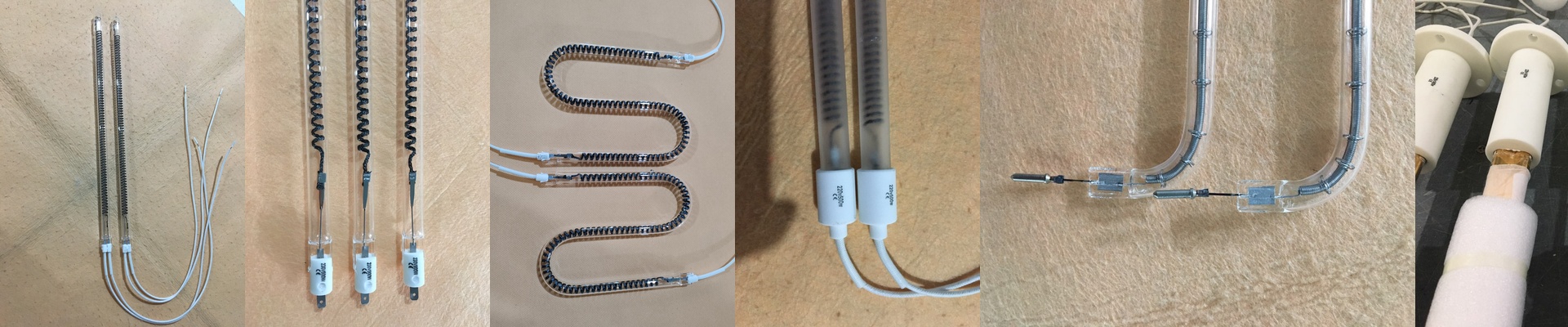
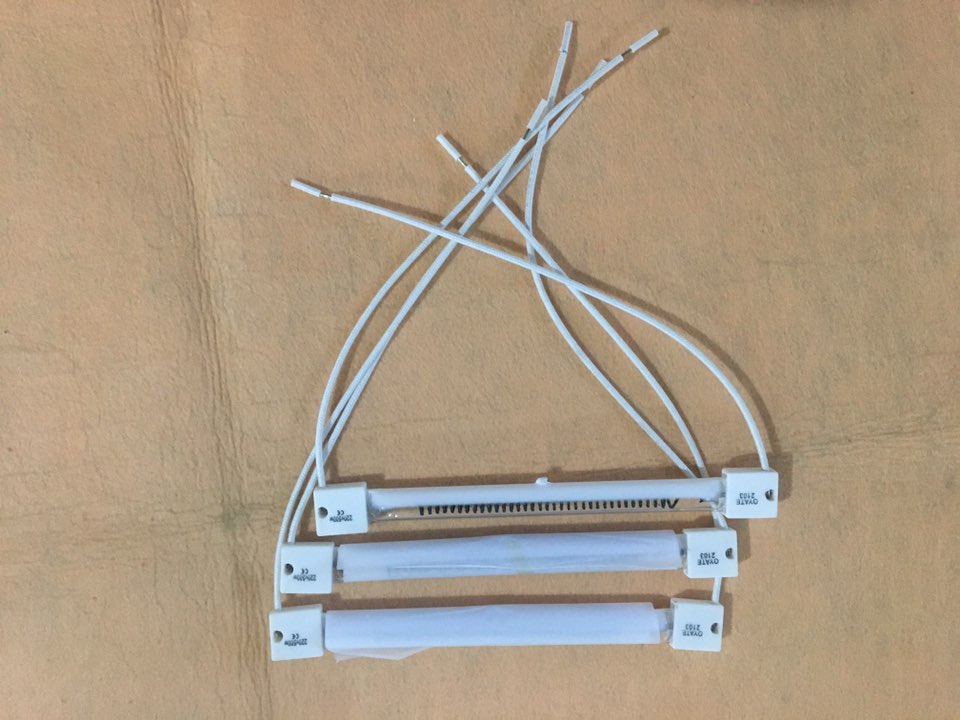
Let’s Talk Carbon Fiber IR Lamps
Most people are used to those standard quartz halogen tubes with tungsten filaments. They work, but they aren’t for everyone. We do things a bit differently. We use a carbon fiber filament instead. Why? Because some jobs need heat that hits fast and sinks deep into the material, and that’s exactly where these lamps shine.
The Science (Without the Boredom)
Here is how it works: we run a current through a conductive carbon weave. Instead of one blindingly hot point, you get a broad spectrum of heat. If you’re running a high-wattage setup, you’ll notice something interesting. The surface temperature stays lower than it would with tungsten, but the total infrared output is actually higher. This is a huge win for the hardware. Since the glass doesn’t get stressed out as much, you don’t have to worry about the tube failing under pressure. Plus, the heat spreads evenly. No more annoying “hot spots” ruining your workpiece.
Getting Them Up and Running
We house the filament in high-purity quartz glass. We do this so the IR radiation just slides right through without the glass soaking up the heat. Installing them is pretty painless. We use standard industrial connectors, so you can usually just swap them into your old system and call it a day. But, a quick heads-up on the wiring: carbon fiber reacts to temperature and resistance differently than metal. If you’re using a PID controller, you’ll probably need to tweak your tuning. If you don’t, you might see the temperature overshoot during the initial ramp-up.
The Trade-offs
Nothing is perfect. The good news? These lamps kill the pre-heating wait time. You hit your target temp fast. Really fast. The catch is that carbon fiber is brittle. It doesn’t like to be shaken. If your machine vibrates or takes a hit, that filament can snap. Make sure your brackets are tight and the lamp is isolated from any machine harmonics. One last thing: if you’re stuffing these into a tight enclosure at max wattage, don’t skimp on the cooling fans. You need to pull that ambient heat away, or you’ll end up with leaking seals at the end caps.