Introduction
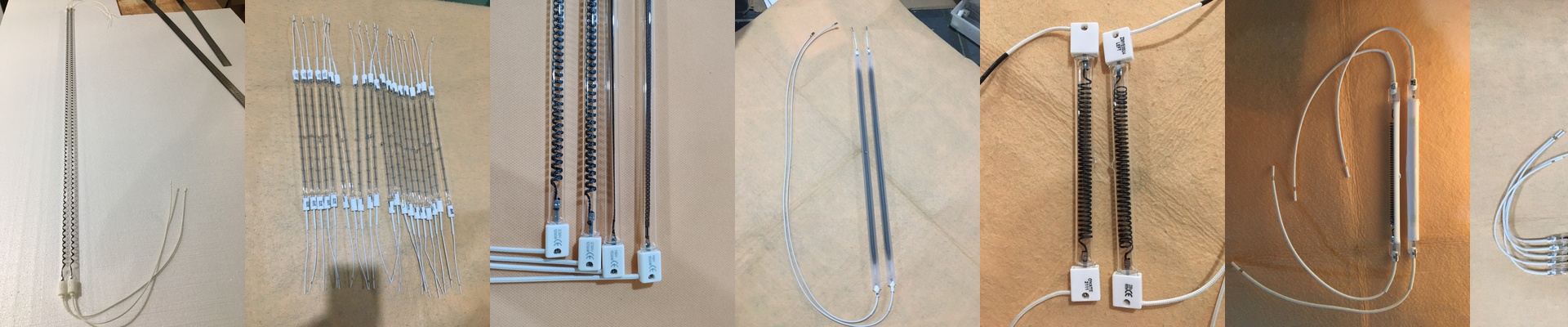
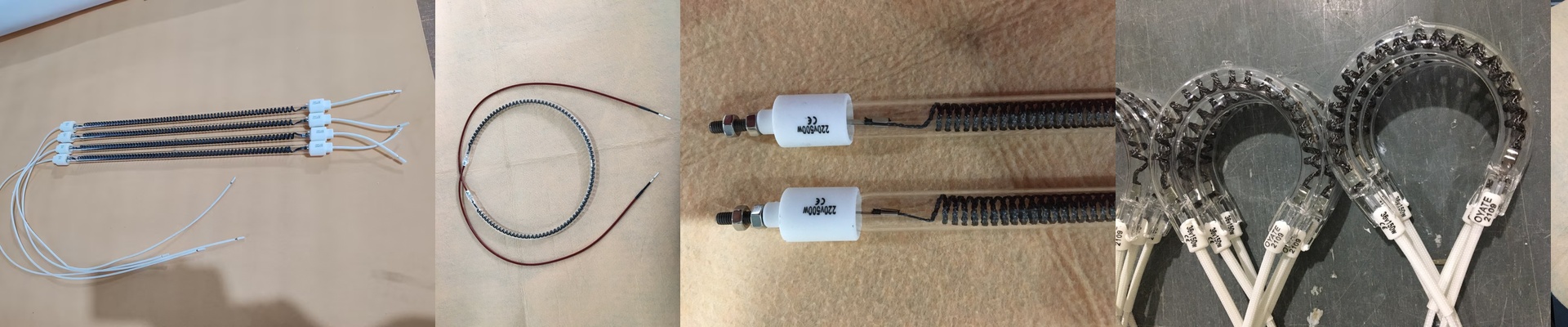
We built this 390mm infrared heating lamp around a carbon fiber core for one reason: industrial heating is tough. You need speed, reliability, and a design that doesn’t take up a ton of space. It’s made for direct, line-of-sight heating—the kind where you need to get a target hot fast, without turning the whole machine into a sauna. If you’ve got a job that demands a quick temperature spike and the ability to hold it steady, this is the tool you reach for.
What’s Inside?
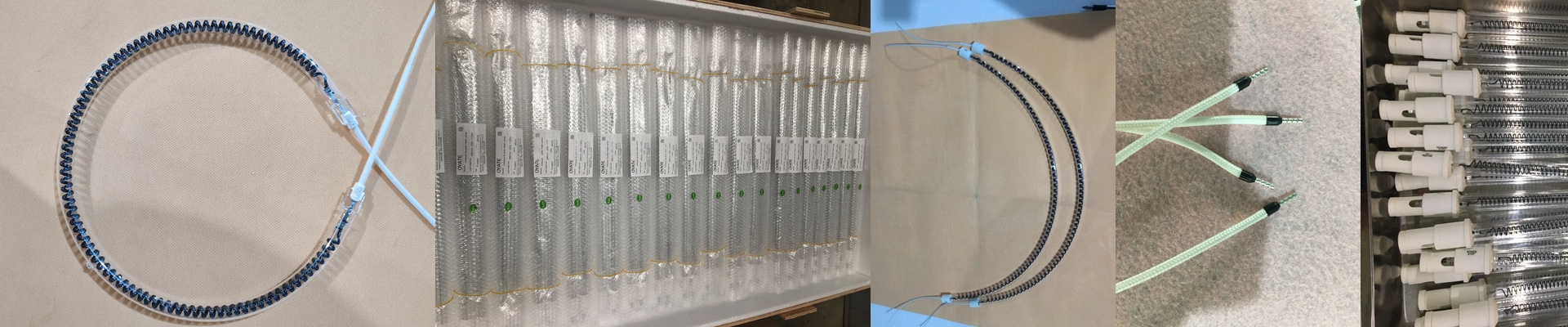
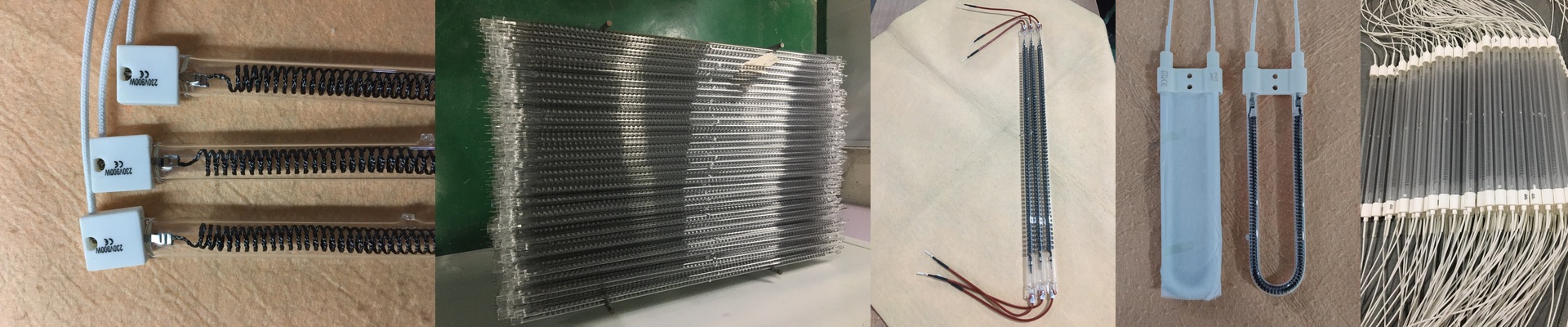
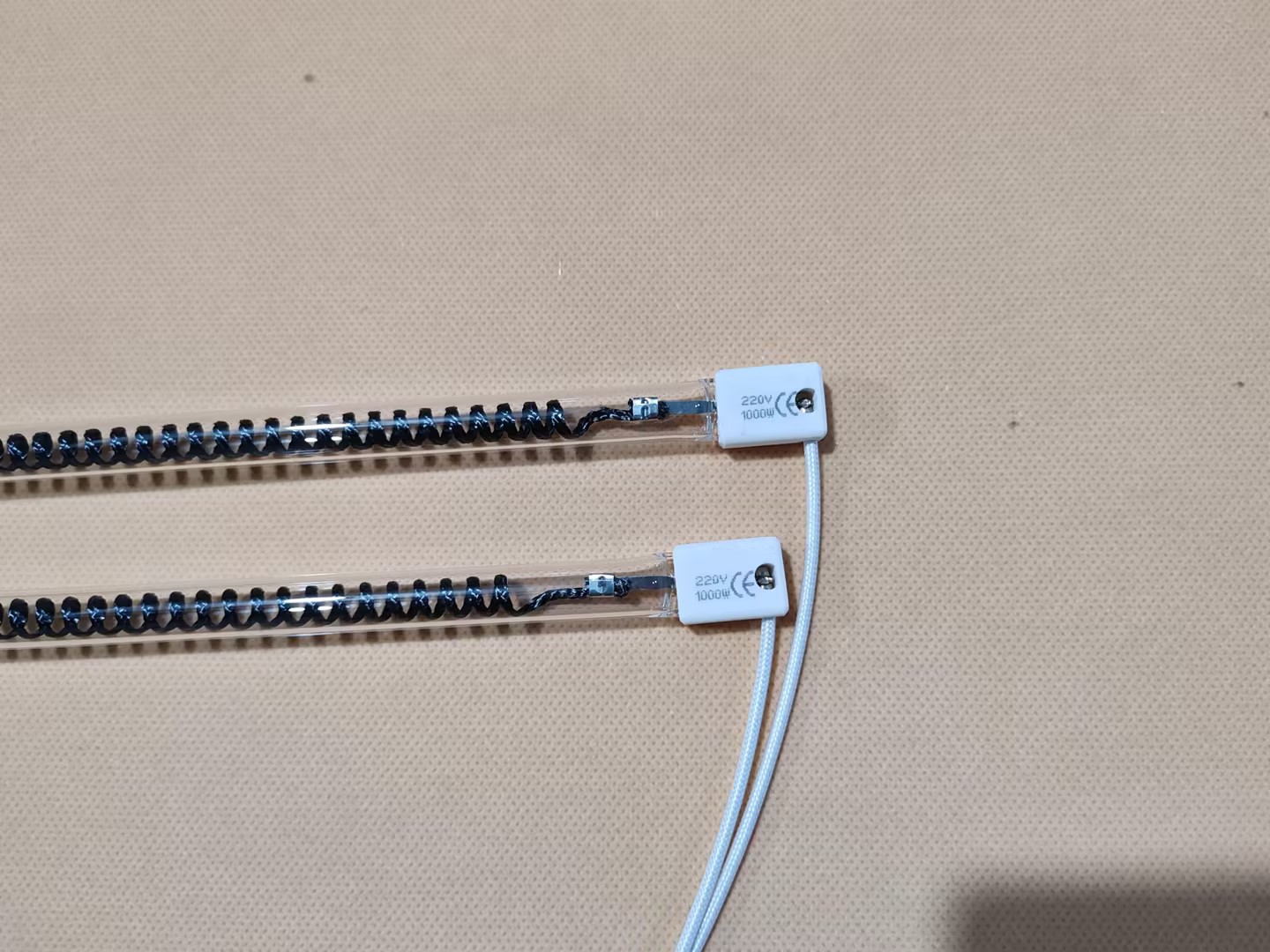
The 390mm length isn’t random. It gives you a precise heated zone, which makes this lamp a simple, drop-in upgrade for existing setups. The carbon fiber element is the real star. It packs a lot of power into a small space, which means you get rapid ramp-up and tight control over the temperature. We also designed it to run on standard industrial voltage, so it plugs right into your control panels. No extra transformers needed. Just a heads-up: that kind of concentrated heat means the surrounding parts need to be ready for it. Make sure your mounts and reflectors can handle the temperature, and that your machine’s cooling is up to speed with the wattage.
The Design Choices That Matter
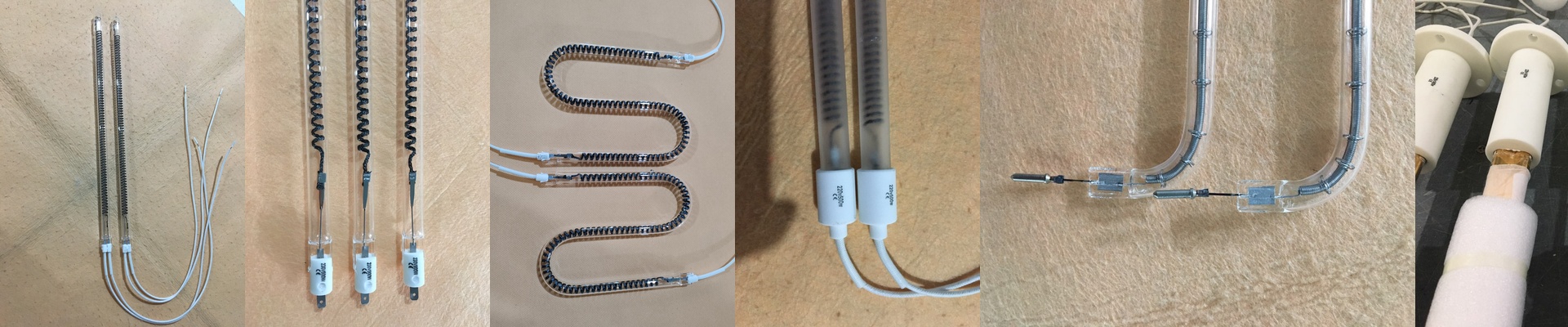
We put the carbon fiber heater inside a quartz envelope. Why? Because it handles extreme heat shock and lets the infrared energy pass right through. We also added a reflective coating on the back of the heating element. This pushes more energy forward toward your target, giving you more intensity where you need it and wasting less heat. The slim 390mm profile is a lifesaver when you’re trying to squeeze a heater into a tight spot. And for installation, we went with an R7s-type connector. It’s secure, keeps everything aligned, and makes swapping out a lamp on the shop floor a quick, no-fuss job.
Where It Shines
This lamp is your go-to for direct, fast heating. Think plastics processing, curing coatings, or drying materials. The carbon fiber core gets up to temperature almost instantly and then holds steady, so your cycle times stay consistent. The 390mm form gives you predictable coverage, and the R7s connection keeps maintenance simple. Now, a quick reality check: the output is focused, so you’ll need to manage any shadows and make sure there’s enough airflow around the lamp to keep the envelope temperature in check.