The 600mm 1300W Infrared Carbon Fiber Heating Lamp, Explained Like You’re Actually Going to Use It
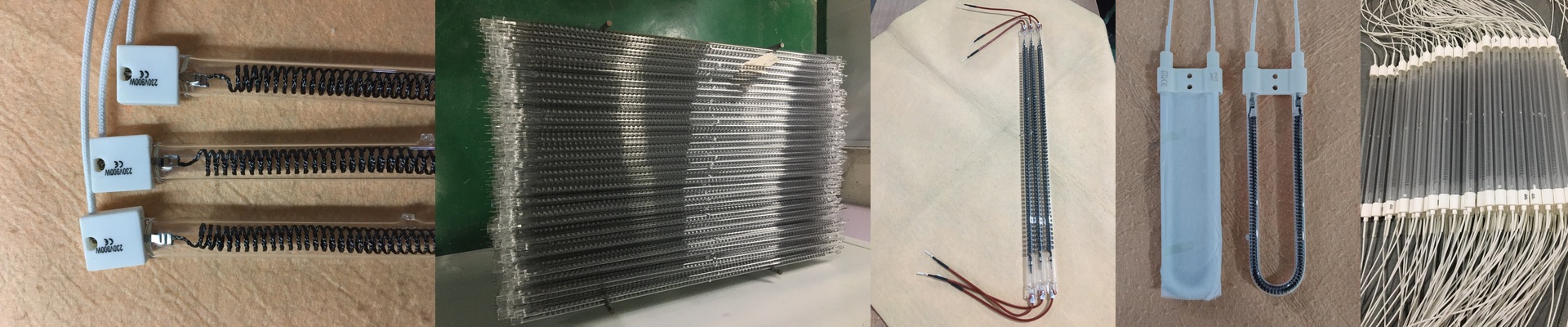
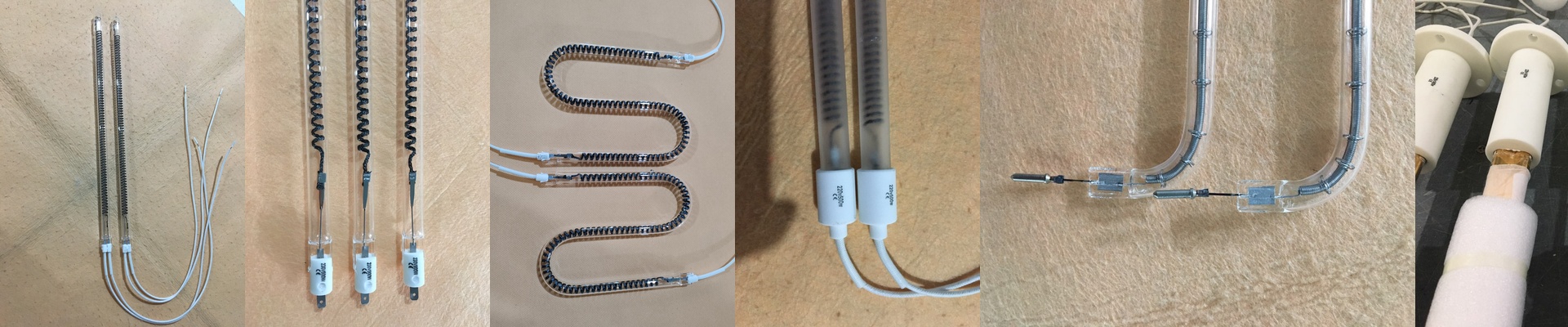
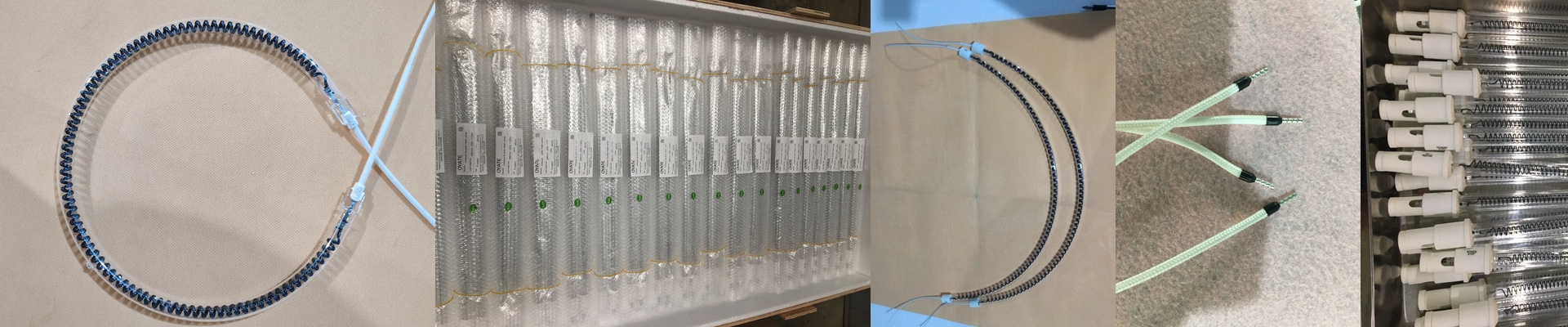
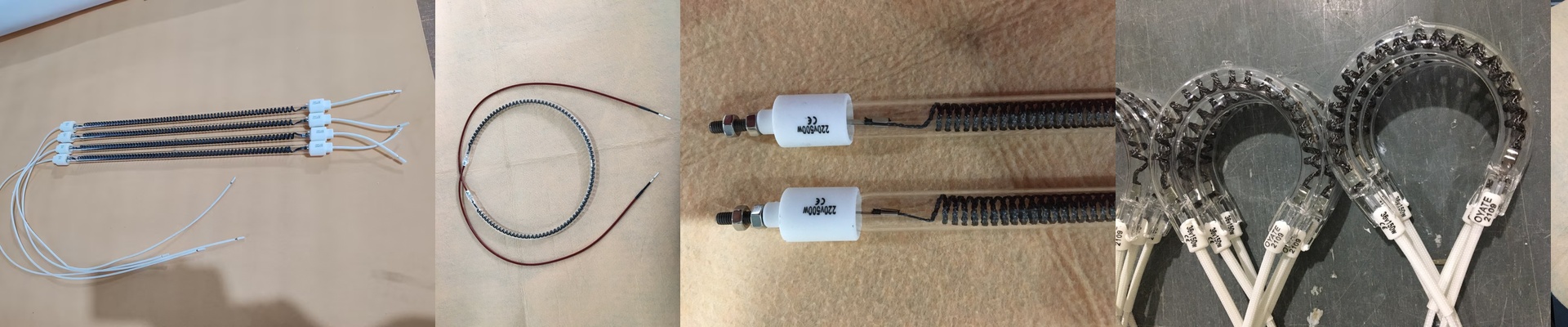
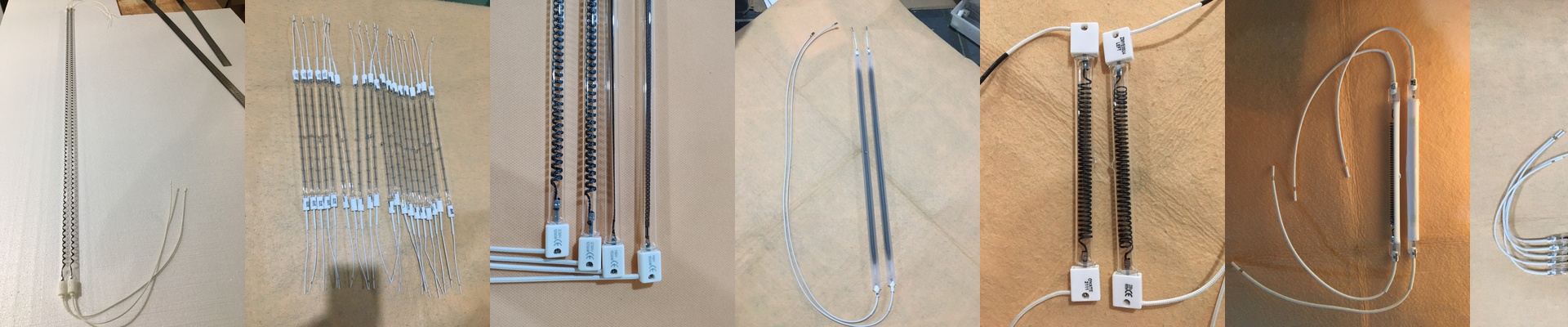
Let’s talk about this heating lamp. It’s a 600mm carbon fiber tube that cranks out 1300W of infrared heat. The whole point? Give you fast, focused warmth exactly where you need it—without the bulk of those old convection heaters. If you’re an engineer who needs a serious heat source that can slip right into your machinery or production line, this is built for you.
Power, Size, and Why It Works
Here’s the thing about the 600mm length and 1300W rating—it’s not random. That combo was chosen to deliver a precise amount of heat across a specific area. It’s enough power for medium-sized jobs, and the longer tube gives you a more even heating zone than shorter ones. Perfect when you need a steady line of heat, like when you’re curing adhesives or pre-heating parts. Just remember: it’s powerful. So you’ll need enough clearance around it and a solid electrical setup. The good news? It runs on standard mains voltage, so you can plug it in without needing a separate transformer.
The Carbon Fiber Heart
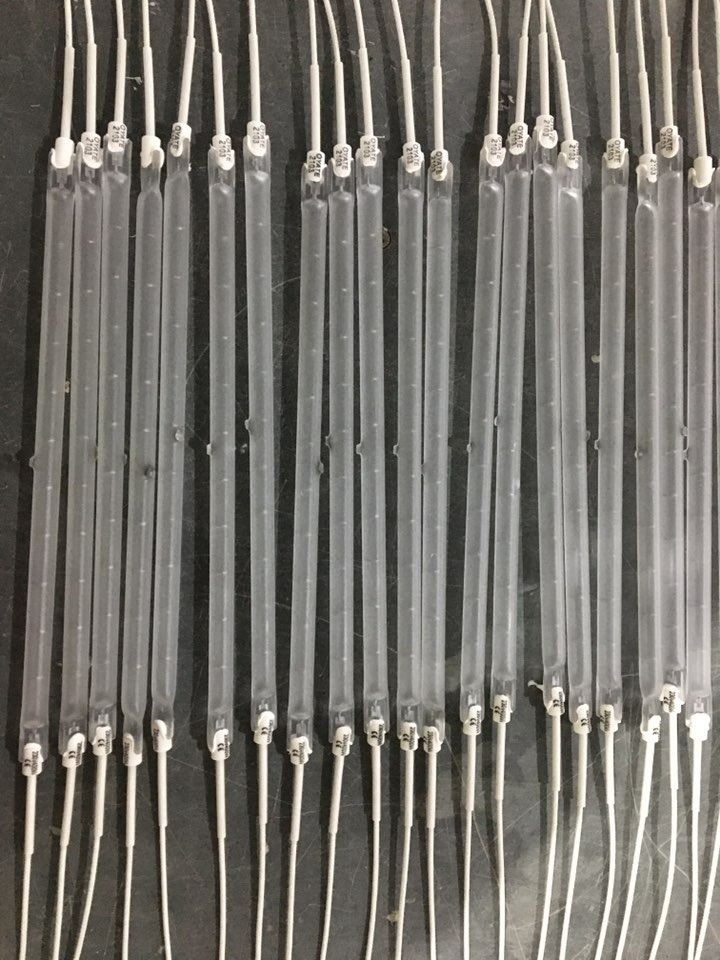
The magic is in the carbon fiber heating element. It’s a big step up from the old tungsten or halogen designs. It heats up in seconds. Seriously, you flip the switch and it’s ready. And over its life, it keeps a stable resistance, so the heat output stays consistent. The element sits inside a quartz envelope, which can handle extreme temperature swings. That means you can turn it on and off rapidly without worrying about it cracking. This thing is built to survive the factory floor. Even the connector is designed for a secure, low-resistance connection. So all 1300W goes straight to the element, without energy getting lost or creating hot spots.
What This Means for You on the Job
This lamp shines when you need fast, non-contact heat. Think plastic welding, shrink wrapping, or drying coatings—jobs where temperature control and speed are everything. The infrared it emits is tuned to be absorbed efficiently by many common industrial materials. For you, that translates to faster cycle times and less wasted energy heating up an entire enclosure. And it’s a straightforward replacement for many standard industrial heaters, which makes maintenance a lot easier. But, and this is important, the high heat output means you need to manage the temperature around it. Make sure the nearby equipment won’t overheat. Plan for that, and you’re golden.