Fiber Carbon Heat Tubes: The Industrial Heat Hack You Actually Want on Your Shop Floor
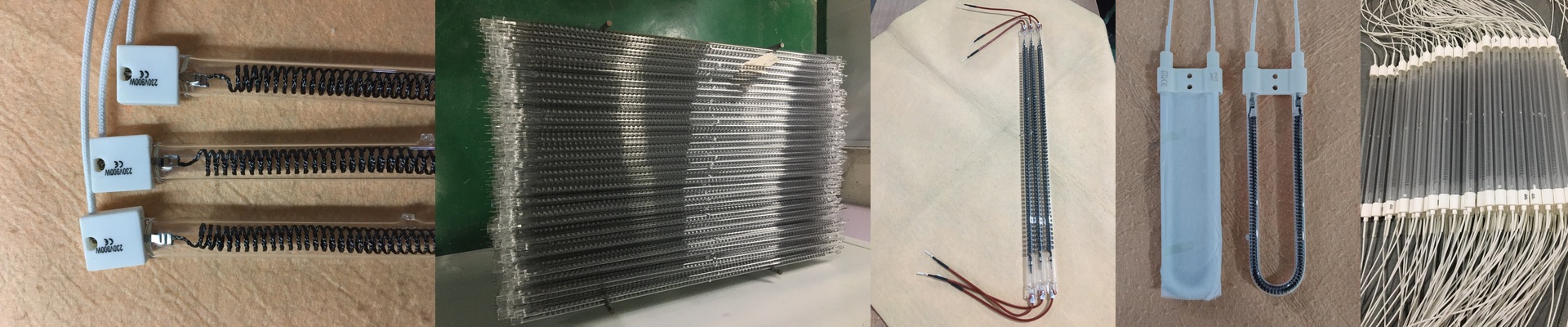
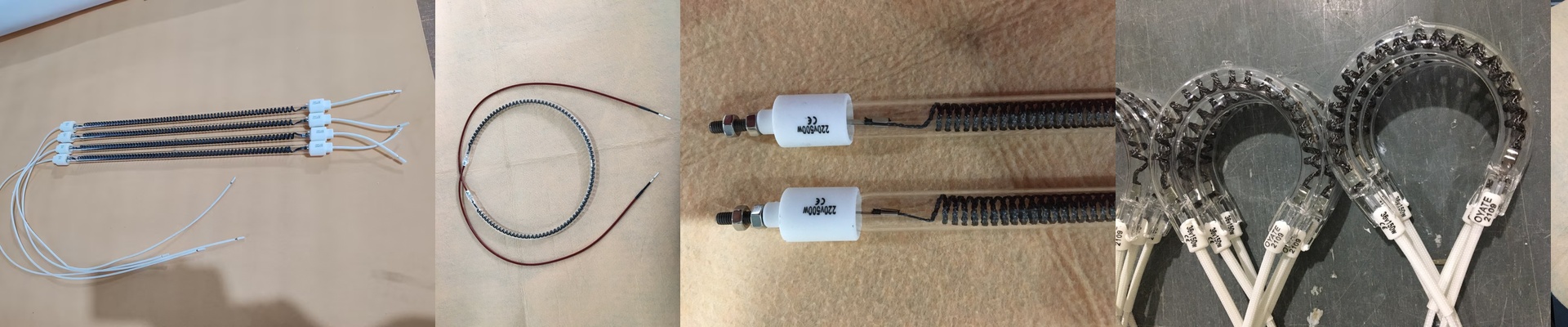
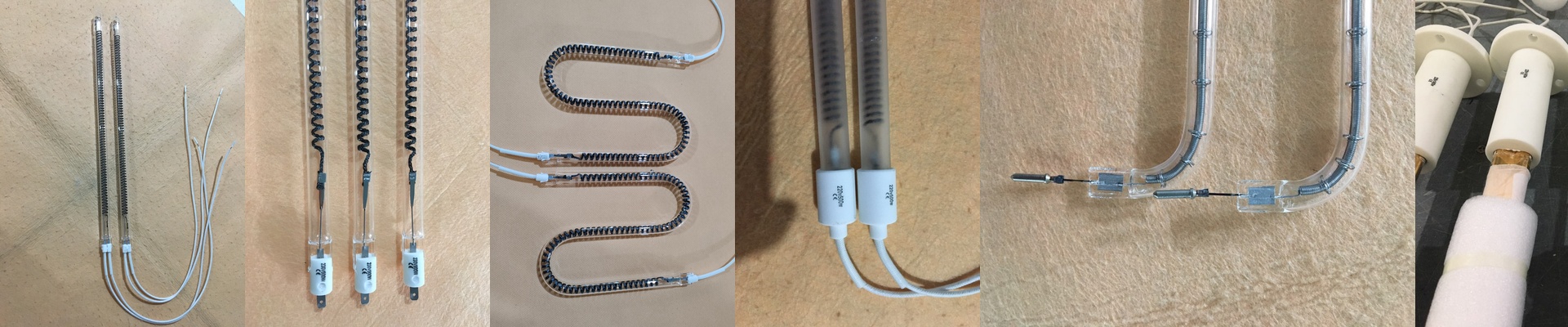
We make fiber carbon heat tubes for the kind of industrial work where you can’t afford to wait around. Where the machine has to hit the temperature you need, fast—and then just hold it there, rock steady. Here’s the secret: it’s a shortwave infrared heating setup, built around a carbon filament sealed inside a halogen gas environment. The whole point? Packing serious heat density into a small space, with tight control. Not just raw power. Precision.
The Specs, Without the Fluff
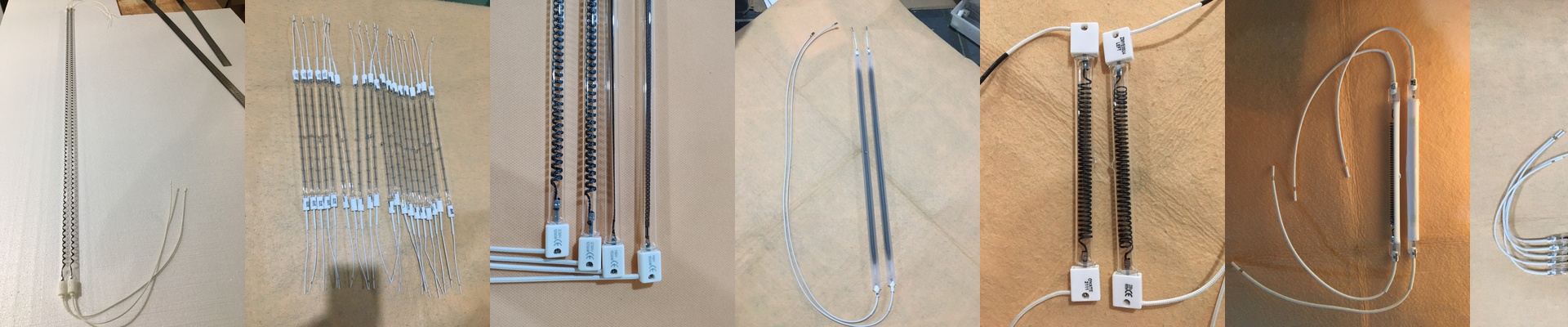
These tubes are built for high-density heating. A common setup hits 2500W at 400V. Why 400V? It keeps the current lower, which means less voltage drop over distance and cleaner control wiring. And the size? About 300mm long. So you get a compact footprint that actually fits where you need it—tight zones, no problem. Wattage and length together create the heat density. Put 2500W over a 300mm active length and you get intense, localized output. That translates to rapid ramp-up. But here’s the trade-off: that kind of concentrated heat will warm up the surrounding area. So plan your cooling and shielding. It’s not a flaw—it’s just reality.
What’s Inside, and Why It Stays Tough
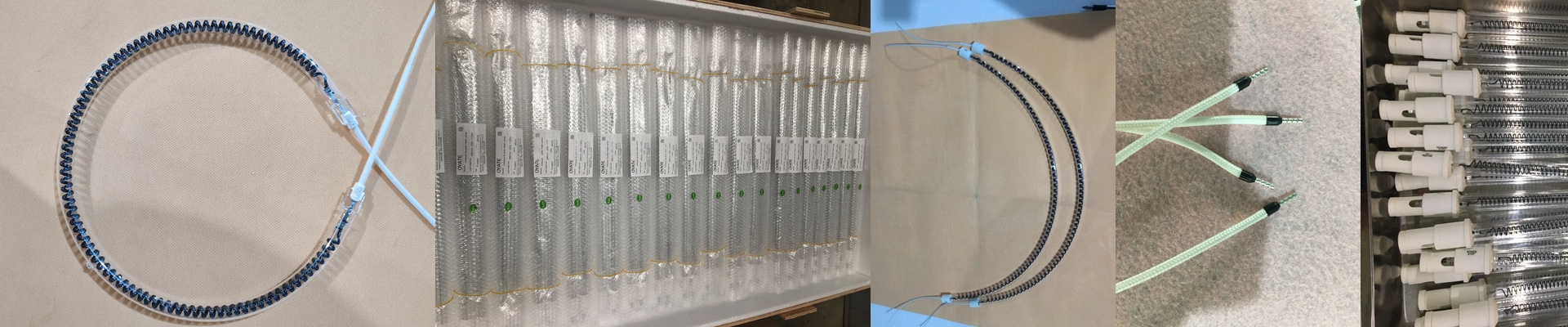
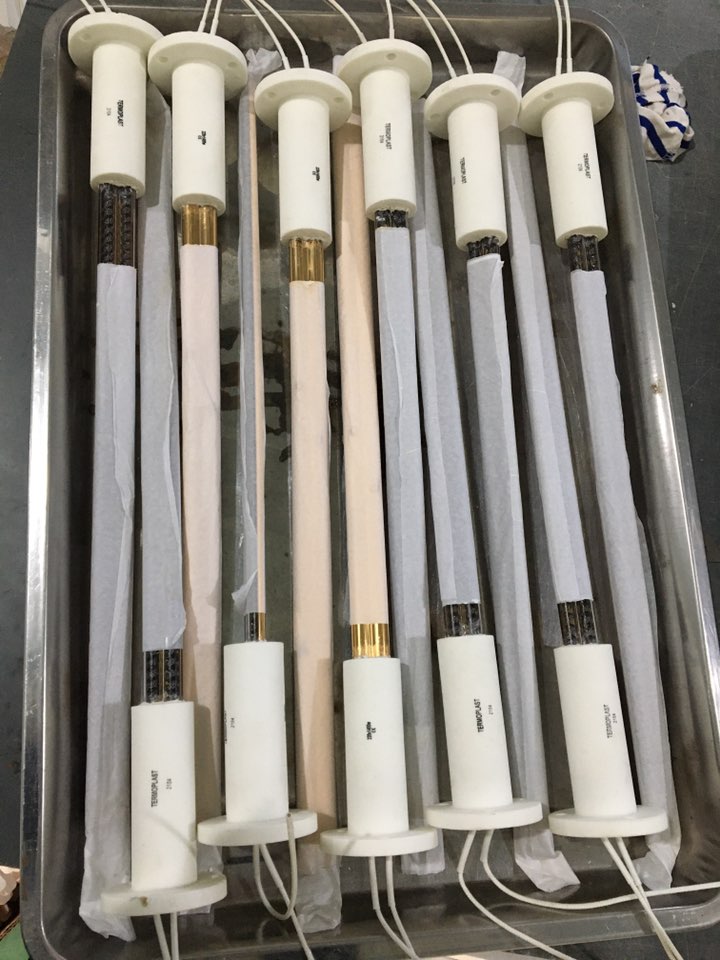
At the heart of it is a carbon filament, sealed inside a quartz envelope with halogen gas. Halogen does something smart: it helps regenerate the filament as it evaporates, keeping output consistent over the tube’s life. Quartz, on the other hand, handles the thermal shock and keeps its strength at high operating temperatures. It just takes the heat without cracking under pressure. For the connections, we use the R7s connector. It handles the high current and gives you a solid, mechanically secure link. And we designed it to drop right in. So when a tube burns out, you swap it and get back to work—no reworking the mounting.
How It Performs Where It Counts
On the shop floor, this tube shines in applications that demand fast, focused heating—like plastic processing, curing, and heating zones where response time matters. The shortwave output couples into materials quickly. And because the geometry is compact, you can place the heat exactly where the process needs it. Installation is straightforward:
- Wire it up to the rated 400V supply.
- Make sure the fixture can handle the thermal load.
- Set up over-temperature protection. Then expect fast warm-up, stable output, and a footprint that fits tight spaces. Just remember: the heat is concentrated. So plan your airflow and insulation to keep the surrounding equipment in a safe temperature range.