Getting the Most Out of Carbon Fiber IR Heaters
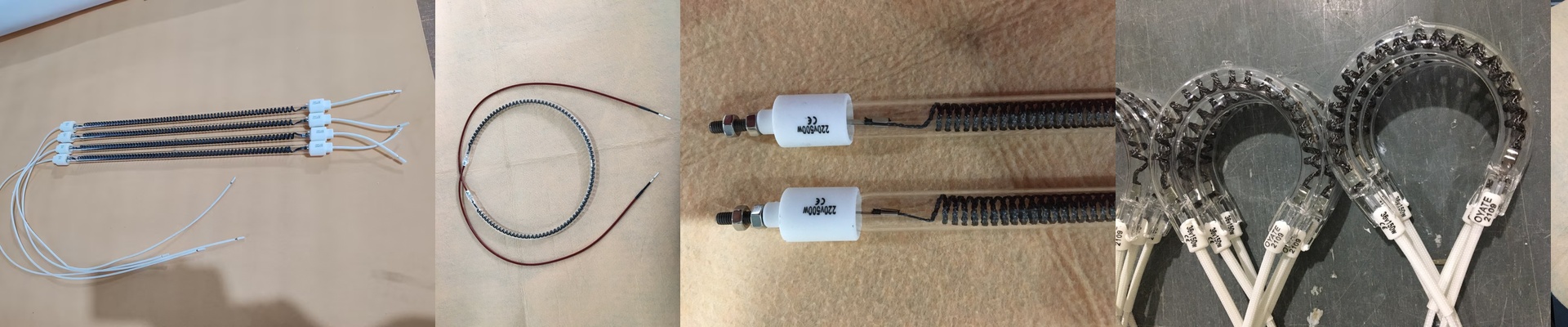
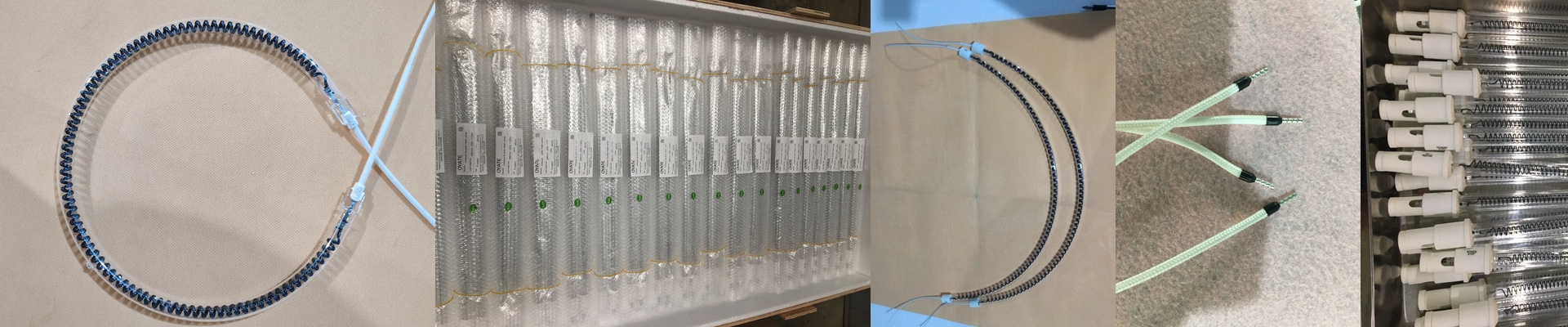
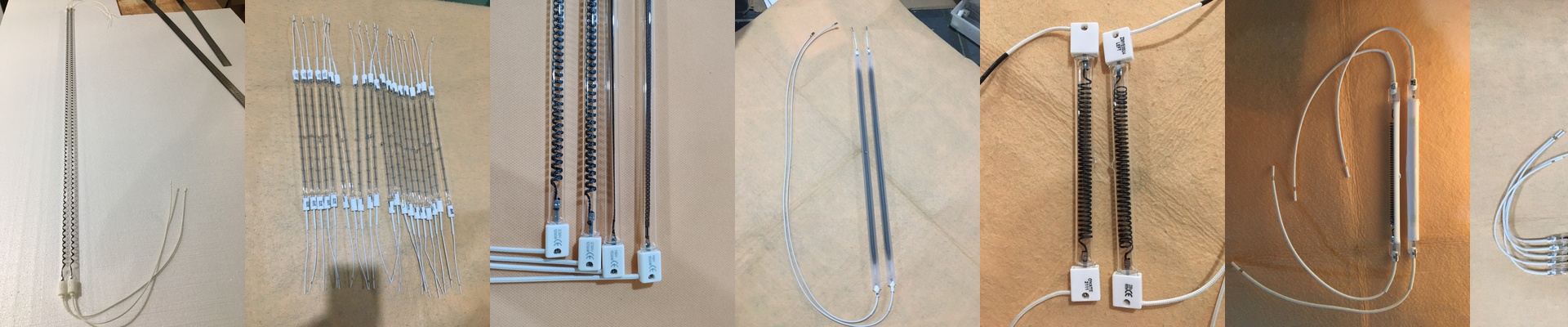
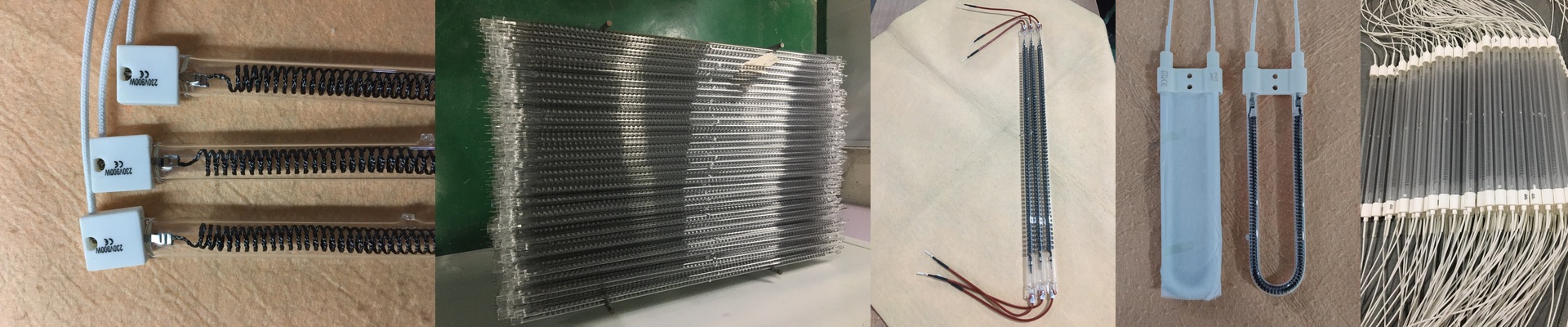
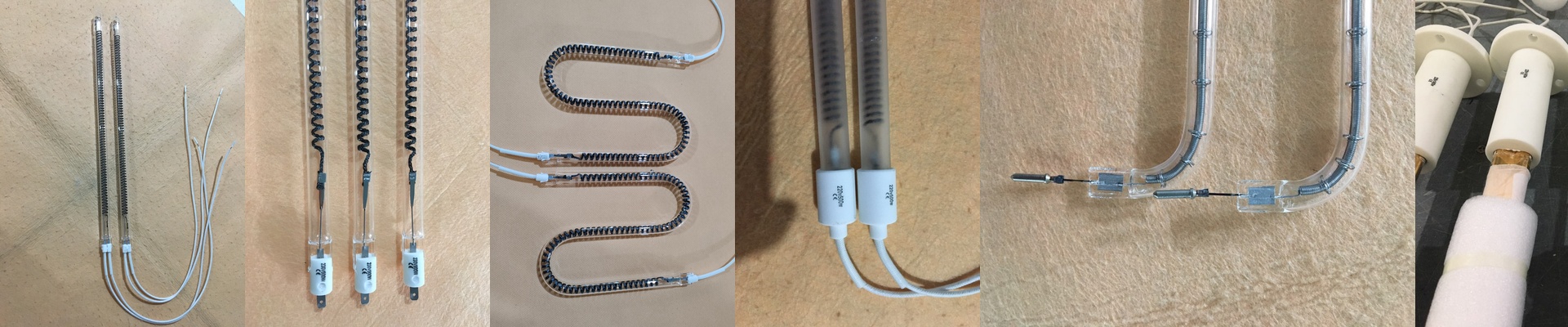
If you’ve ever dealt with traditional metal coil heaters, you know the frustration of those annoying hot spots. They’re basically ticking time bombs for your tubes. That’s why we use carbon fiber. By running current through a carbon filament inside a quartz tube, the heat spreads out evenly. No more random spikes in temperature, which means your tubes actually last. Let’s talk power. We build these elements to hit specific wattage-to-length ratios. If you need your process to ramp up fast, you’ll want a high-voltage setup to crank up the power density. But here’s the catch: pushing a ton of wattage through a short tube puts a lot of stress on the quartz. You’ve got to keep your power supply stable. One bad voltage spike and your filament is toast. Just like that. The nitty-gritty on materials The quartz tube isn’t just there for looks—it keeps the carbon fiber from oxidizing. Sometimes, we add special coatings to the glass. This changes how the heat moves, pushing it deeper into whatever you’re heating instead of just scorching the surface. When it comes to plugging them in, we stick with R7s or Sk15 connectors. They’re designed to be simple drop-in replacements for most industrial ovens. They fit tight, but do me a favor: check your sockets. Make sure they can handle the current draw, or you’re going to end up with a melted housing. Real-world use (and the risks) If you’re doing PET blowing or curing plastics, these are your best bet. The shortwave radiation hits the target almost instantly. It’s fast. Really fast. But you have to treat them with care. Quartz is fragile. The heat output is massive, but the tubes can’t take a beating. If you drop something on them or—heaven forbid—hit a red-hot tube with cold water, it’s going to crack. One last tip: when you’re setting up your mounting brackets, leave some breathing room. These things expand when they get hot, and if they’re pinned too tight, they’ll snap.