What Makes These Lamps Tick: Power, Voltage, and Size
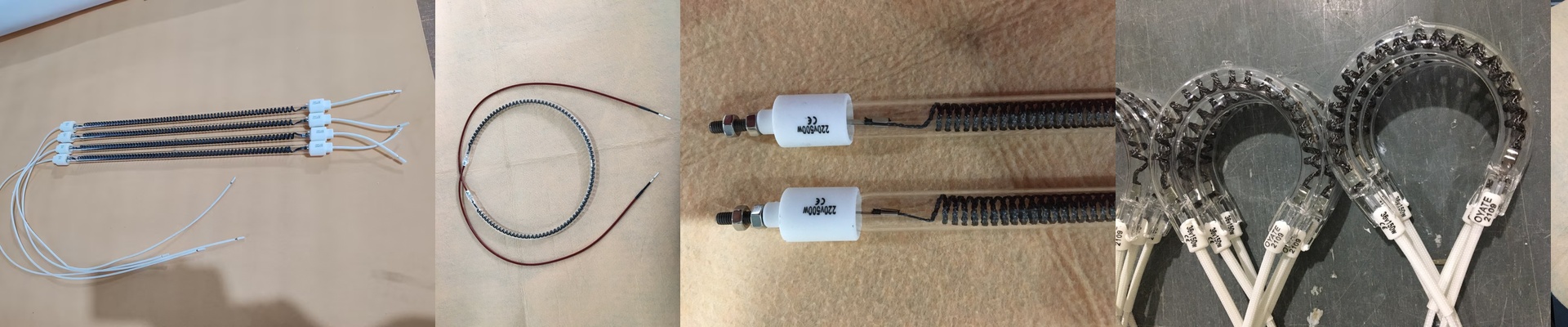
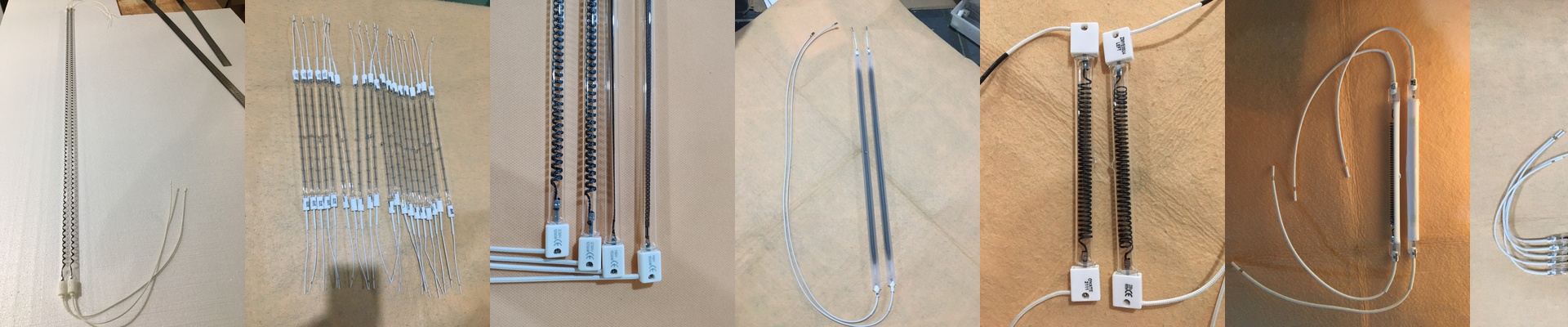
Let’s talk about what matters when you’re curing carbon fiber parts in a spray booth. You need heat that’s fast, dependable, and doesn’t eat up space. Our infrared lamps are built around a specific power setup: they run on 400V and pack a solid 2500W punch. That gives you the intense heat you need, right where you need it. And the size? Just as important. The 300mm tube slips right into tight curing chambers without forcing you to redesign the whole booth. That power-to-size ratio is why you get rapid temperature ramp-up, which keeps cycle times moving on the line. But here’s the trade-off: packing that much wattage into a short tube means the system runs hot. So you’ve got to make sure your booth’s cooling and ventilation can handle the extra heat.
The Good Stuff Inside: Quartz, Coating, and a Tough Connector
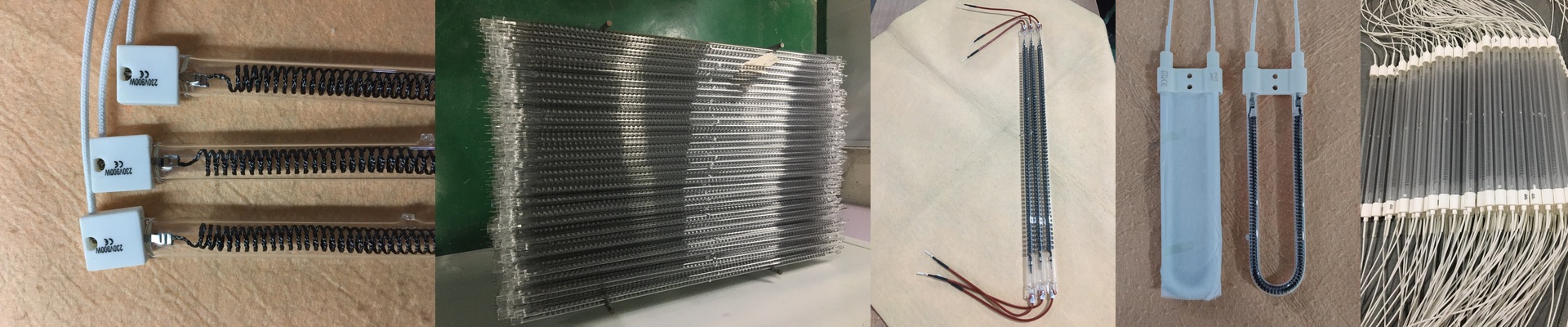
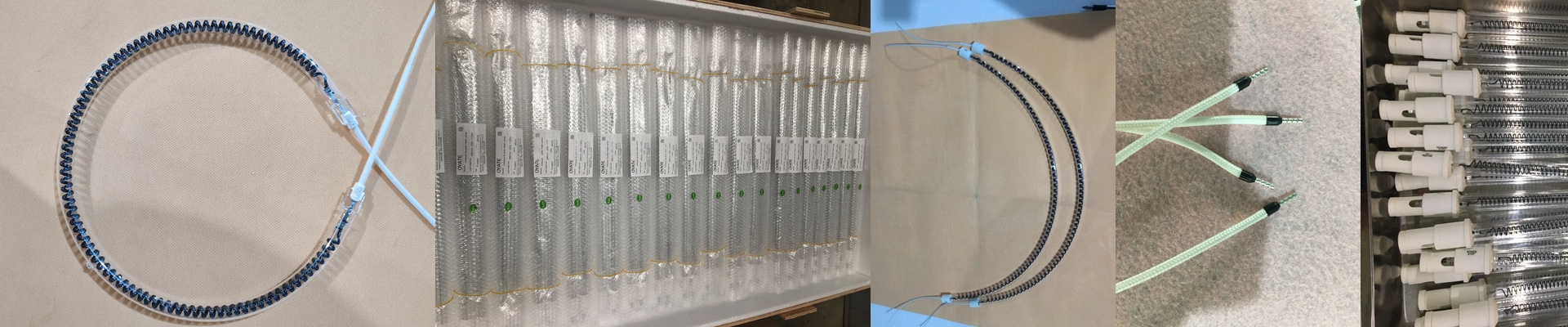
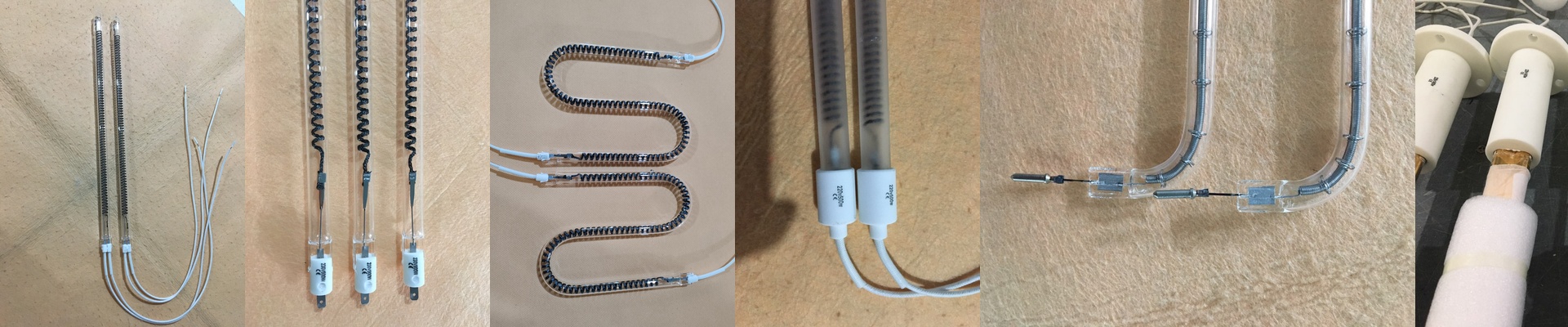
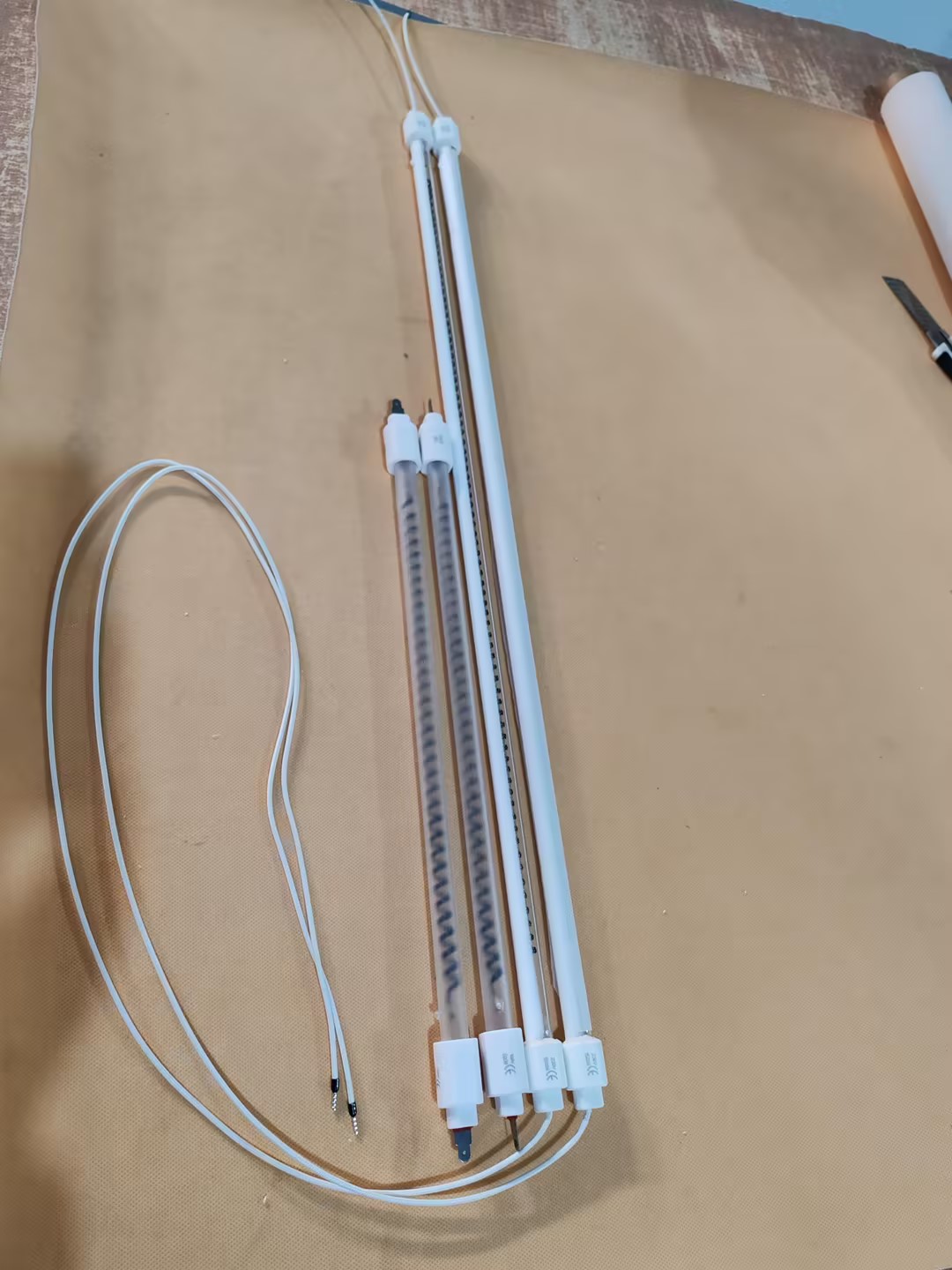
The heart of the lamp is a high-purity quartz envelope. This stuff can take the thermal shock of rapid on-off cycling without cracking—something that plagues cheaper heaters. We add a special reflective coating to the quartz. It directs all that infrared energy straight down onto the part. Less wasted heat, and your booth’s internal fixtures stay protected. And the connector? We use the R7s bi-pin. It’s a tough, standardized interface that handles high current without overheating. When a lamp finally burns out, you just pop in a new one—no fuss. No more loose connections that drive you crazy with cheaper clip-on styles.
Why It Works: Precision Curing for Composites
In a carbon fiber spray booth, the goal is simple: cure the resin-impregnated parts without warping them or leaving an uneven finish. These halogen lamps put out shortwave infrared that cuts right through the surface layer and drives the chemical reaction from the inside out. That direct energy transfer means you don’t overheat the surface, which is what causes that orange peel texture or tackiness. The lamps deliver a focused heat profile that follows the contour of the part, giving you a uniform cure, even on complex shapes. For you, the engineer on the floor, that means consistent part quality and far fewer rejected batches.
The Real-World Trade-offs
Running these lamps at full power gives you the speed you need for high-volume production. But remember, that high-wattage density needs a solid electrical setup. The 400V supply has to be properly grounded and isolated to avoid voltage drops that can shorten the lamp’s life. And while the quartz envelope is tough, it’s still glass. In a busy shop, you’ve got to handle it with clean gloves during installation. Get fingerprints on it, and you risk hot spots and premature failure. Always keep a spare lamp on hand. Even with the reliable R7s connector, when one burns out, the line stops. Better to be ready.