Introduction
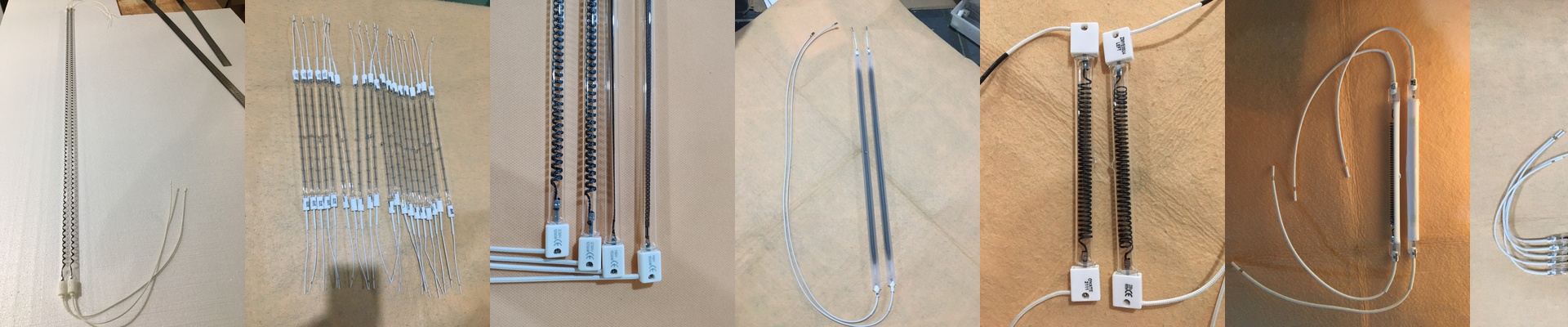
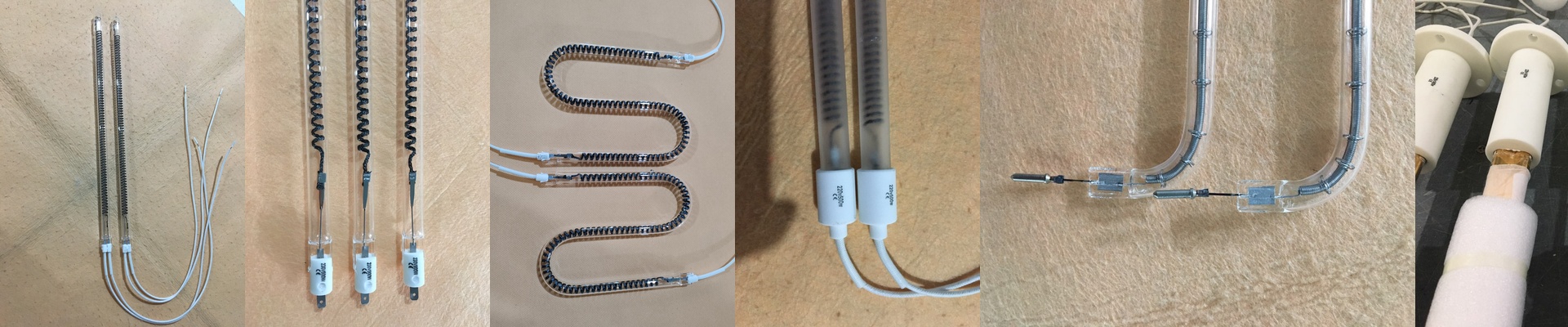
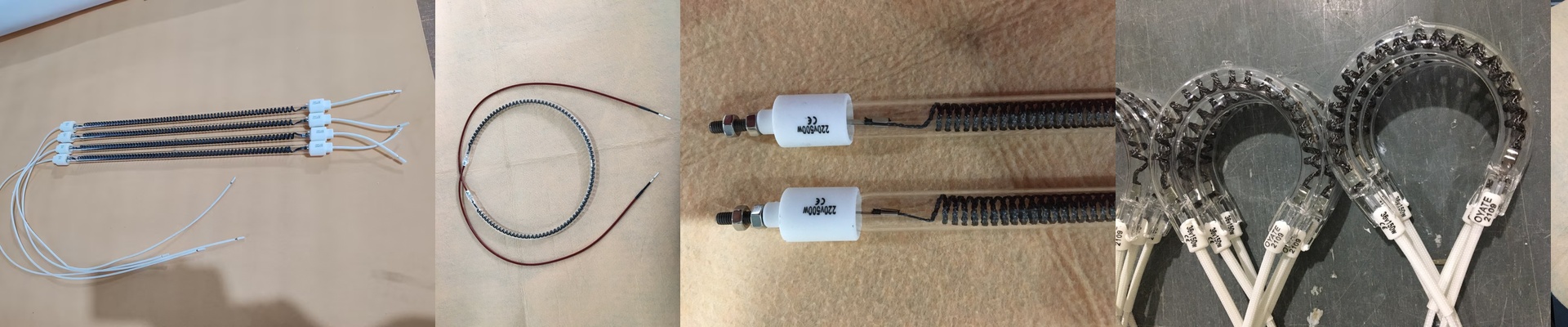
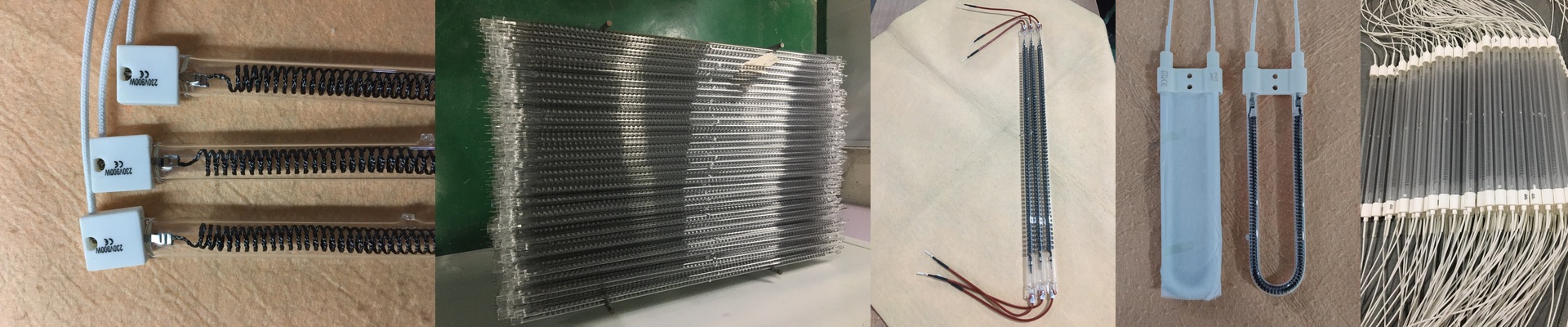
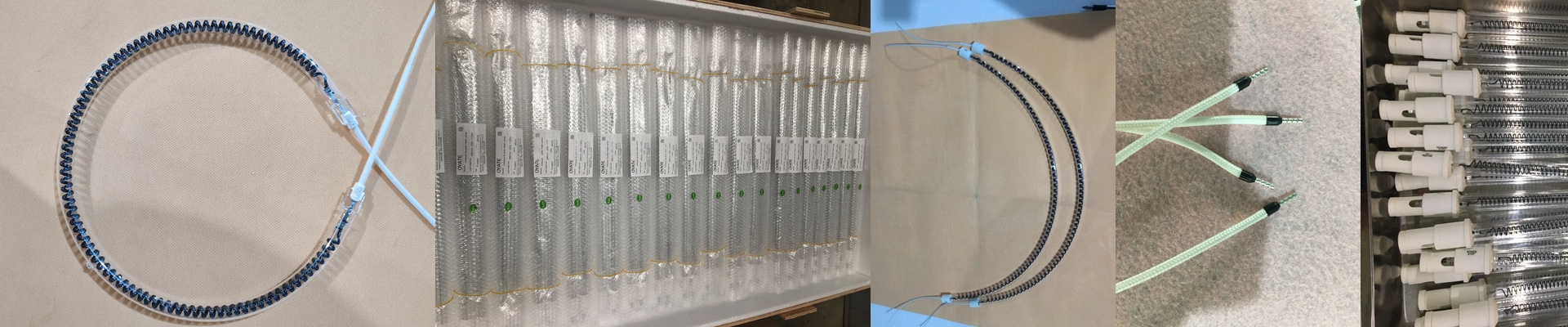
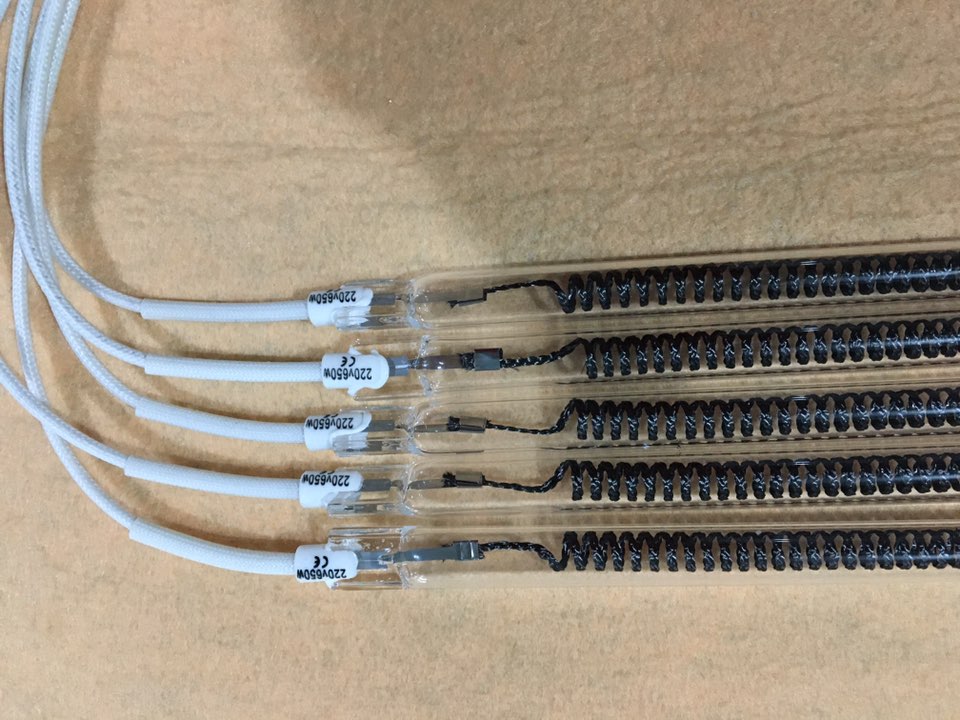
We built these carbon fiber heating tubes for the places where you can’t afford to wait around. The kind of industrial heating where you need heat, and you need it fast—without the output wavering, even when the machine’s been running all day. The secret is a carbon fiber element paired with a halogen fill. Together, they deliver a blast of infrared heat that’s powerful, focused, and fits into a surprisingly small space. These aren’t delicate components. They’re made to work hard, day in and day out, in the real world of production lines.
The Details That Matter
Let’s talk specs, but in a way that actually matters to you. A standard unit hits 2500W at 400V, with a 300mm active length. That power density is what gives you that quick heat-up. You get a precise thermal profile right where you need it. Going with 400V also helps. It lowers the current draw compared to lower-voltage options, which means your wiring and contactors don’t get stressed out and run hot. And that 300mm length? It was chosen because it lines up perfectly with common machine zones. You get even heating without having to redesign the whole housing.
Built to Last
Here’s how we made these tubes tough. The carbon fiber element is sealed inside a quartz envelope, then back-filled with halogen gas. This design stops the element from sagging when the temperature climbs, keeping the output steady over the long haul. That halogen gas also runs a kind of cleaning cycle, preventing the filament from getting blackened. So the tube keeps delivering the same consistent heat, cycle after cycle, for thousands of runs. We topped it off with an R7s connector. It’s a straightforward, solid mount that locks in quickly. It stays put, even when the machine is humming and vibrating.
Where They Shine
These tubes really come into their own in applications like PET blowing, plastic thermoforming, and coating curing. The fast response time keeps your cycle times tight. The focused infrared heat makes sure you’re not wasting energy warming up parts that don’t need it. Now, there is one thing to keep in mind. The high heat density means you need to plan for proper cooling and make sure your reflectors are lined up right. But if you nail the airflow and give it enough clearance, you’ll get consistent, repeatable results with barely any maintenance hassle.