Introduction
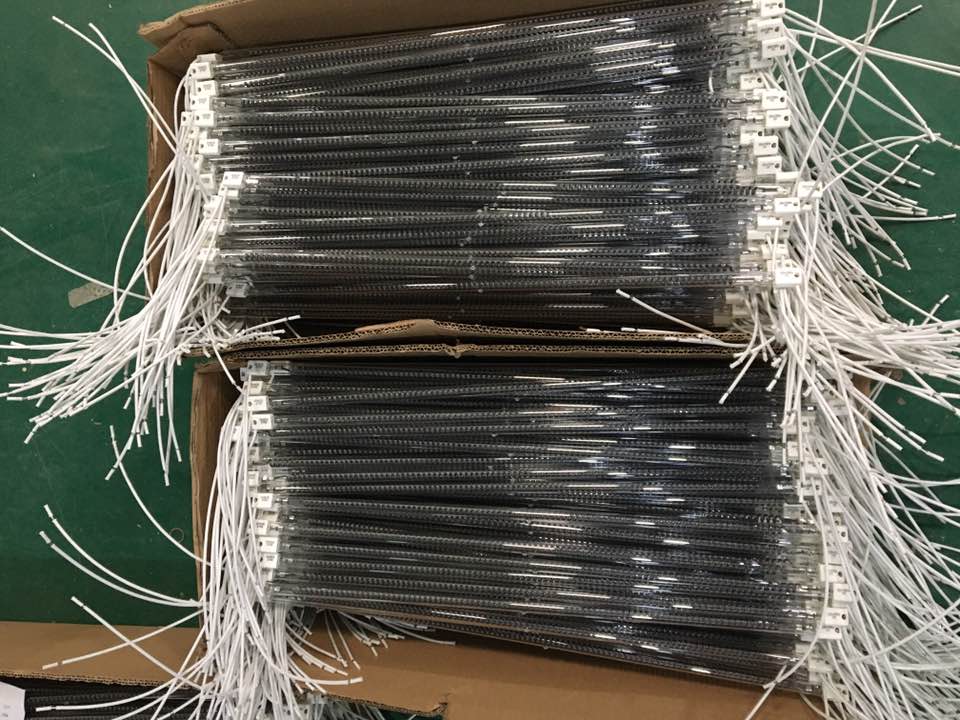
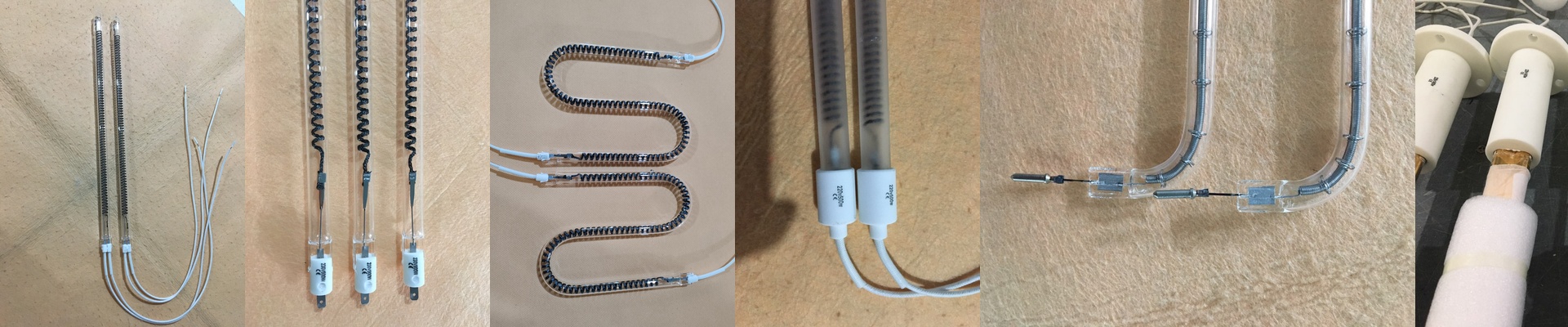
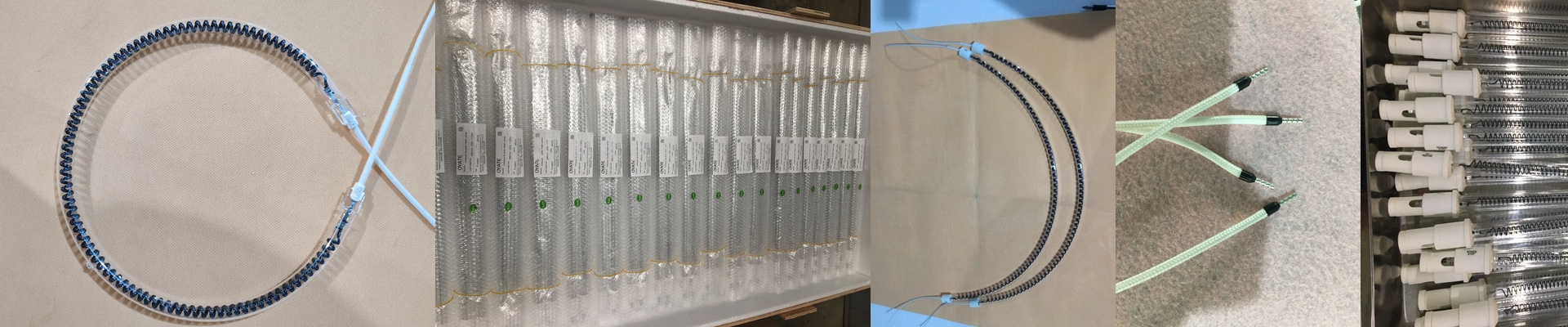
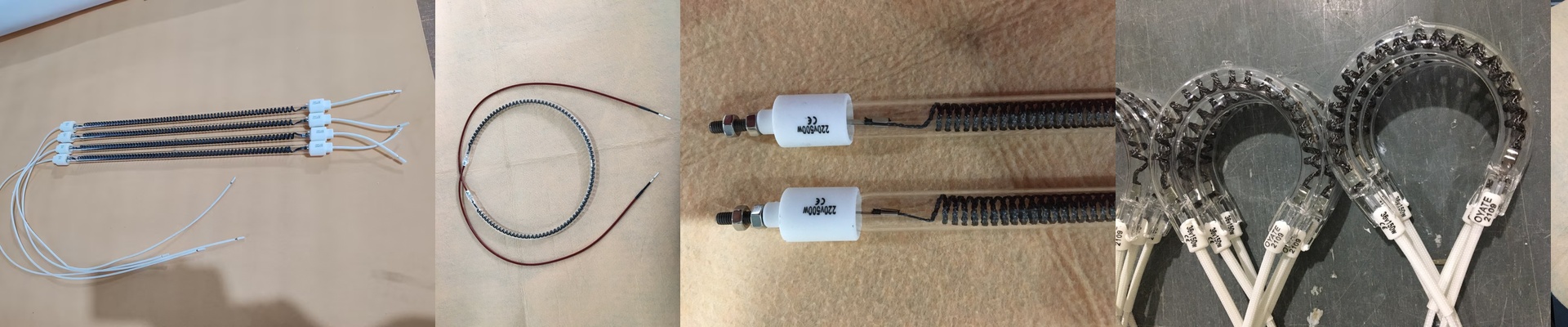
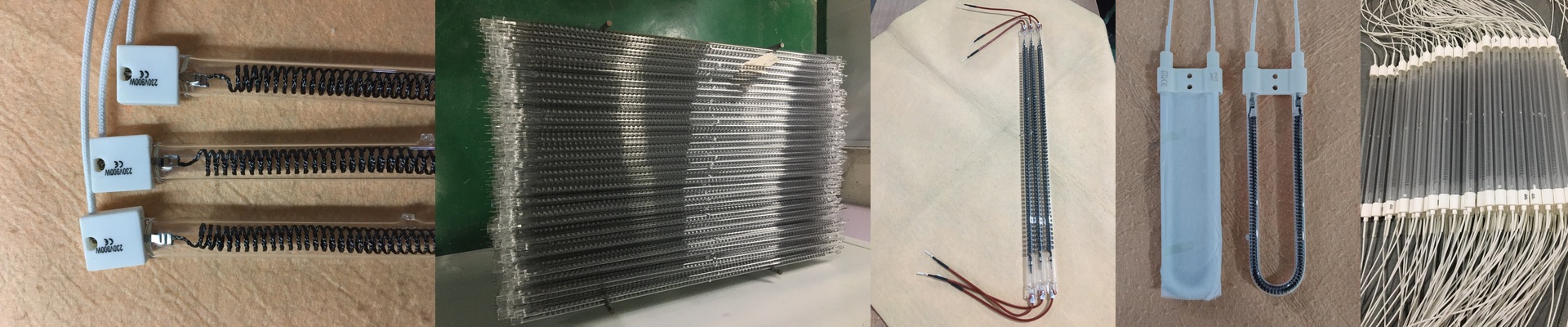
We built the 230V 1800W Quartz Carbon Heating Tube for engineers who want heat that’s serious, but not a headache. This isn’t your everyday, run-of-the-mill heater. It’s a focused, high-intensity element made for jobs where space is tight, time is short, and the heat has to show up and behave—every single time.
Technical Deep-Dive
Here’s the practical part: it runs at 230V and puts out 1800W. That means you can usually wire it straight into standard industrial power without messing around with extra transformers. Less gear in the panel. Cleaner install. Less clutter. And that 1800W? It’s not just about raw power. It’s about packing a lot of heat into a small package, so your temperature climbs fast when the clock is working against you. We matched the tube length to that power so the surface temperature stays within a safe range for the quartz. If the tube is too short for the wattage, the jacket runs too hot and the life drops fast. If it’s too long, the response drags, and your control loop has to fight for every degree.
Material & Design
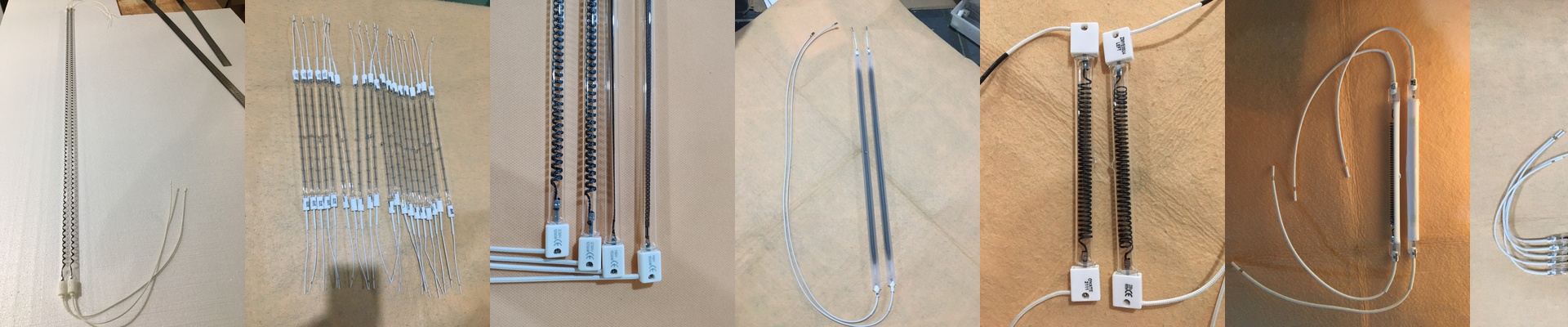
We chose quartz for the envelope because it can handle sudden temperature swings without cracking, and it stays steady at high heat. It also stays clear, so the radiant heat transfers efficiently—no wasted energy fighting the material itself. Inside, the carbon filament throws a broad infrared output that heats surfaces directly, instead of just warming the air around them. You feel the heat where you need it, when you need it. And we kept the mounting simple with a standard R7s base. In most fixtures, it’s a straight swap. Align it, seat it, wire it. No custom brackets. No drama.
Application & Benefits
This setup shines when you need spot heating, component drying, or localized process heat that responds quickly and holds steady. The high watt density gives you the punch to overcome thermal inertia in small zones, but that also means you need to treat the surroundings with respect. **The reality is simple:**high heat density needs proper clearance and the right shielding. Keep anything combustible at a safe distance, and make sure the holder and wiring are rated for the temperatures and current. Do that, and you get consistent radiant heat, repeatable performance, and a replacement cycle that’s straightforward on the plant floor.