A No-Nonsense Guide to Carbon Tube Infrared Heaters
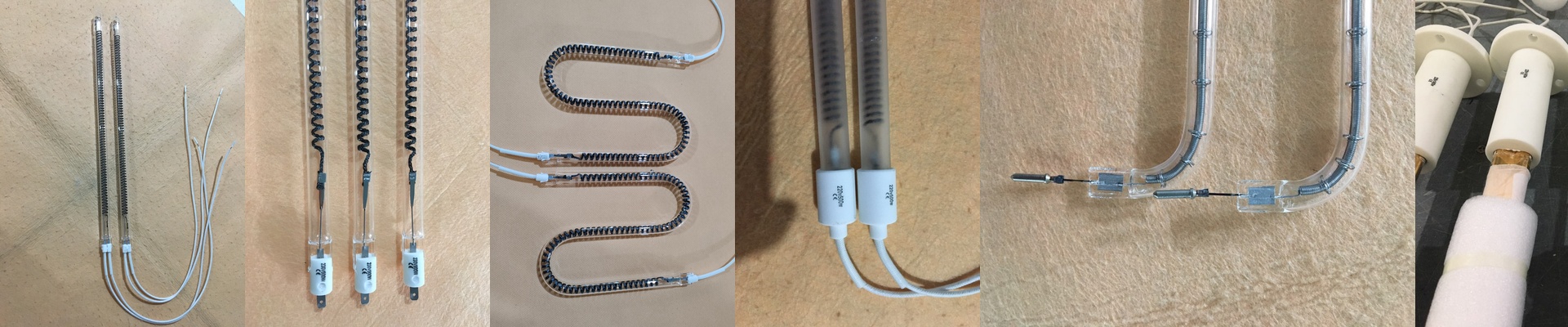
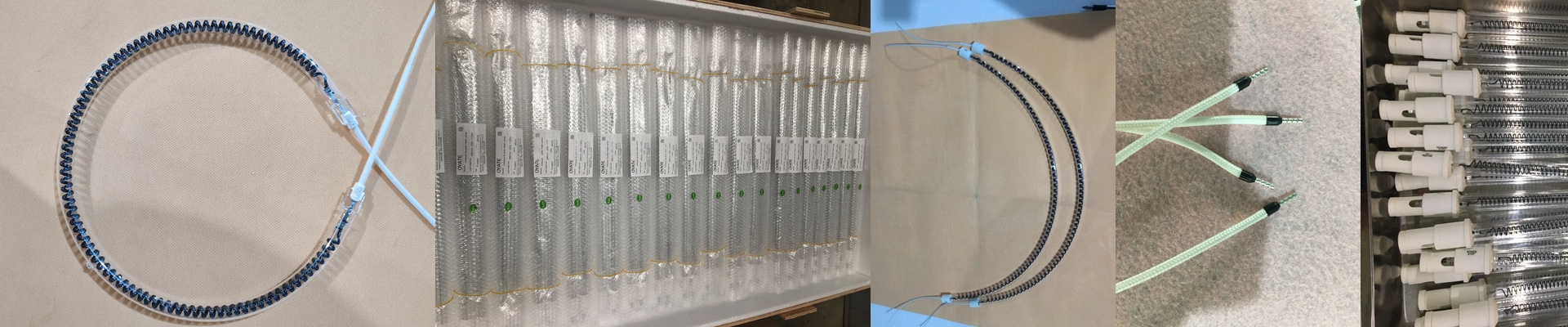
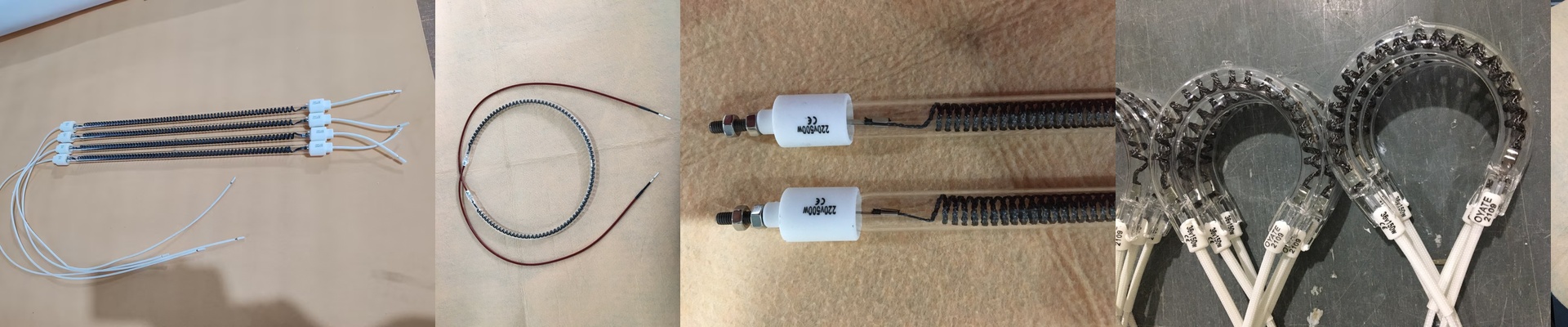
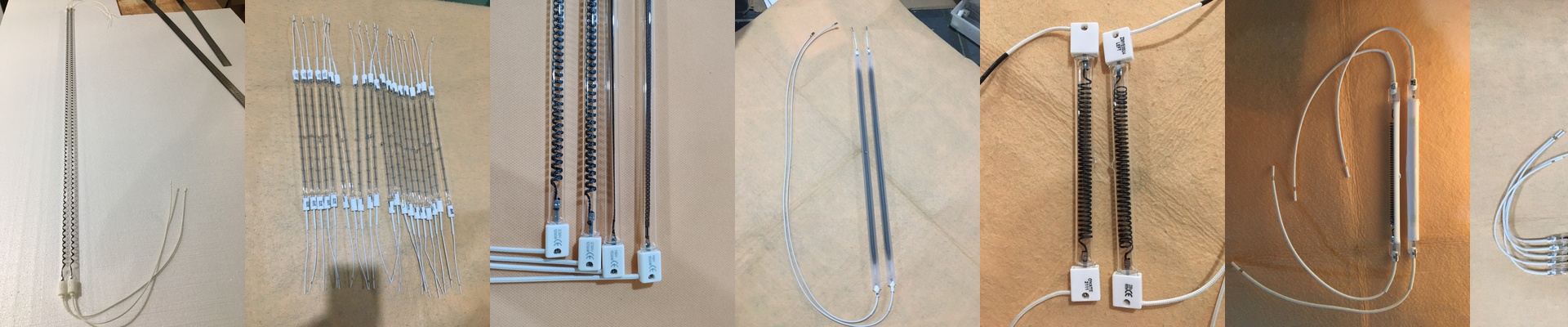
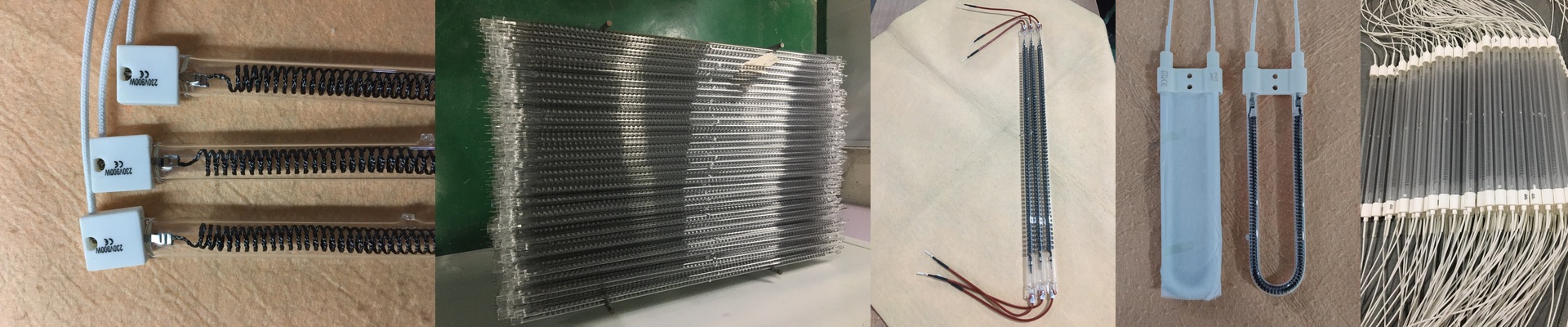
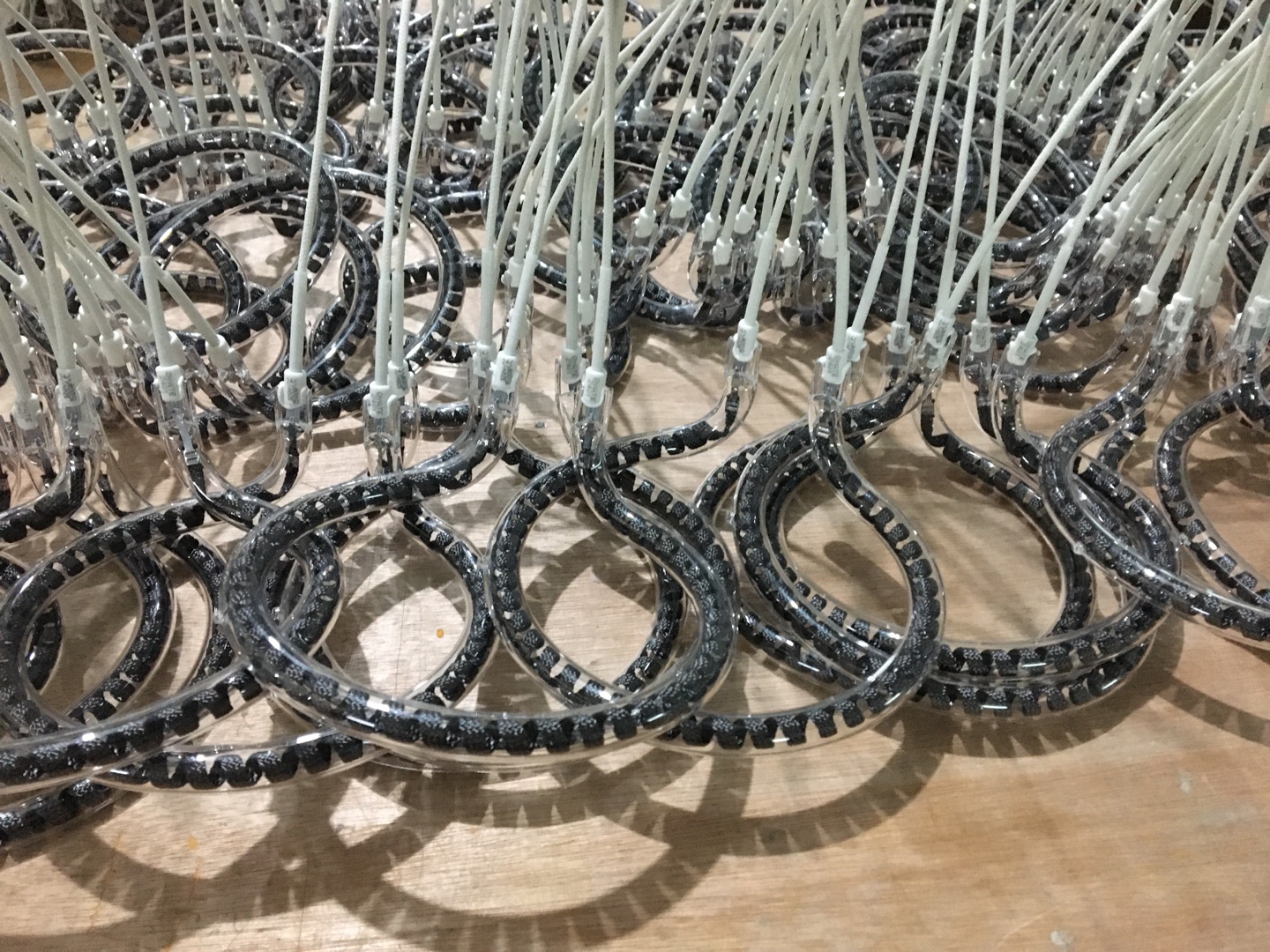
So, you’re looking into carbon tube heaters. Basically, we’re talking about a graphite element tucked inside a quartz sleeve that pumps out high-intensity infrared heat. The cool part? They don’t need to get scorching hot to do their job. They’re way more efficient at pushing out long-wave energy than those old-school metal filaments. It’s fast. Really fast. And that’s exactly what you want when you need a quick thermal hit. Talking Power and Load When you’re picking a tube, look at the wattage relative to the length. That’s where your heat density comes from. If you cram a lot of wattage into a short tube, you get a serious punch of heat. But here’s the thing: you have to get your power supply right. If the voltage doesn’t match, or if you try to shove too many amps through a tube that can’t handle it, that graphite element is going to fry. It’s a quick way to kill your hardware. The Nitty-Gritty: Materials and Connections The quartz glass isn’t just for show. It keeps the vacuum seal tight and handles the insulation. Sometimes we add special coatings to the glass—either to tweak how the heat emits or just to keep industrial grime from ruining everything. Then there are the connectors, usually R7s or Sk15. They’re standard for a reason. They fit snug. You want a rock-solid connection here because any wiggle room creates a hot spot. And trust me, a hot spot in the socket is a great way to melt your equipment. Making it Work in the Real World You’ll see these things all over the place—PET blowing, drying lines, curing ovens. Since they heat up almost instantly, you can just flick the power on and off to keep your temperatures exactly where they need to be. But it’s not all magic. There are a few catches. First, these high-density tubes put a lot of stress on your reflectors. If your reflectors are dirty or pitted, you’re just wasting heat by pumping it into the machine frame instead of your workpiece. And please, keep the quartz clean. A little bit of oil or a dusting of grime on the surface creates a localized hot spot. That’s usually how the glass cracks. Keep it spotless, and they’ll last.