Let’s Talk About Carbon Rod Heaters
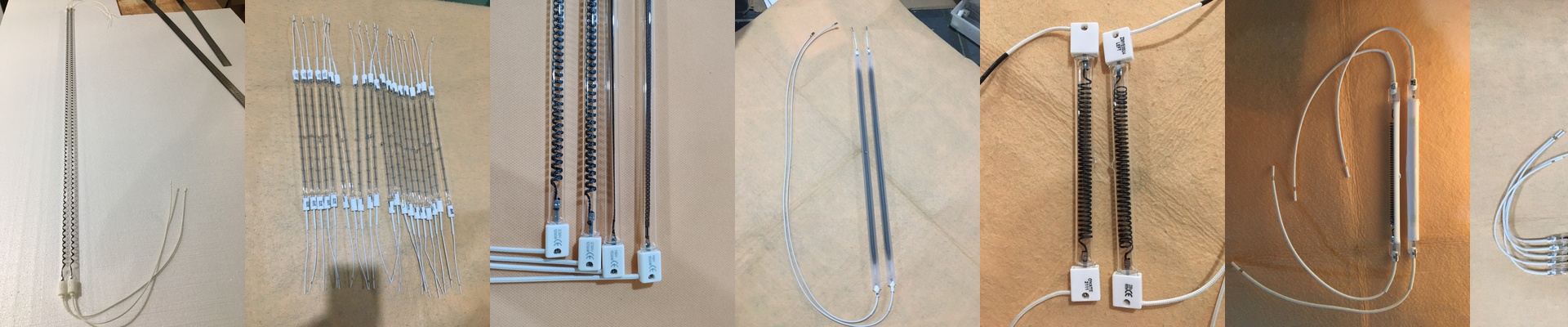
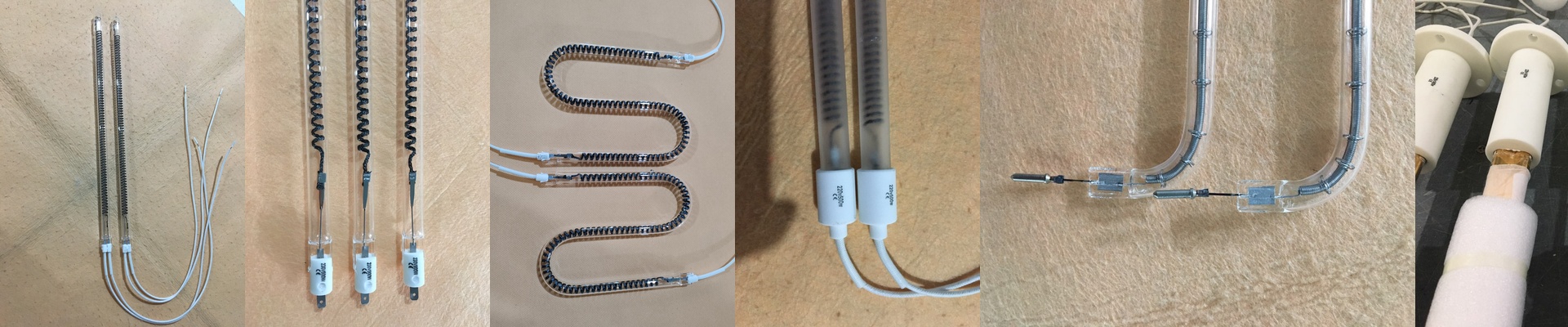
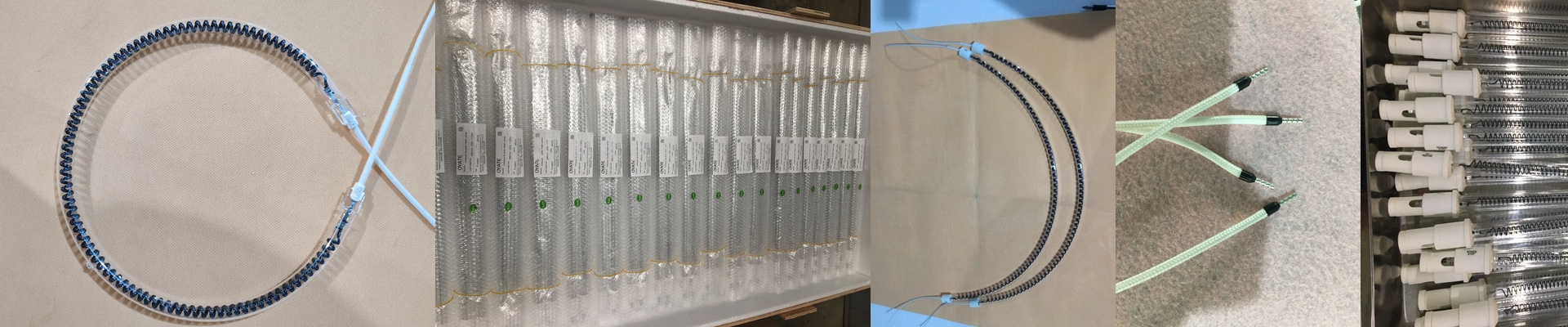
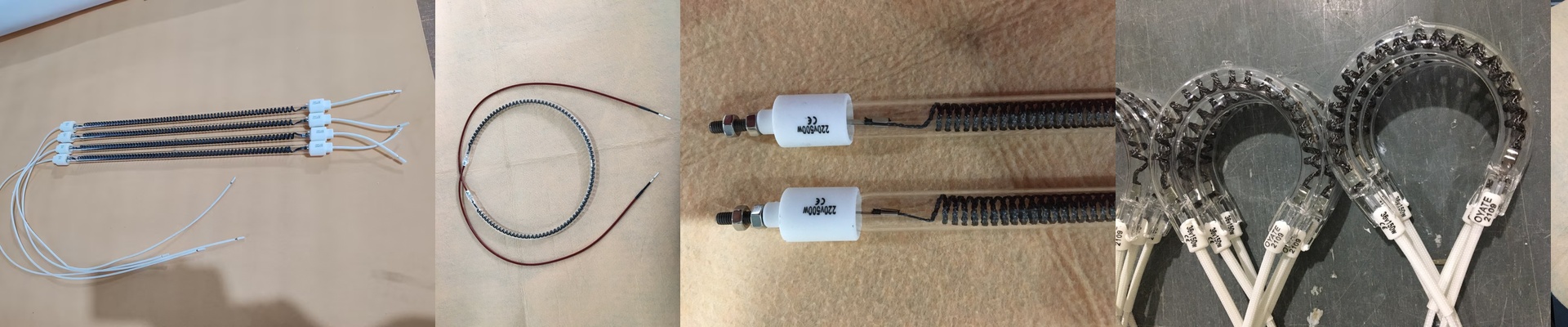
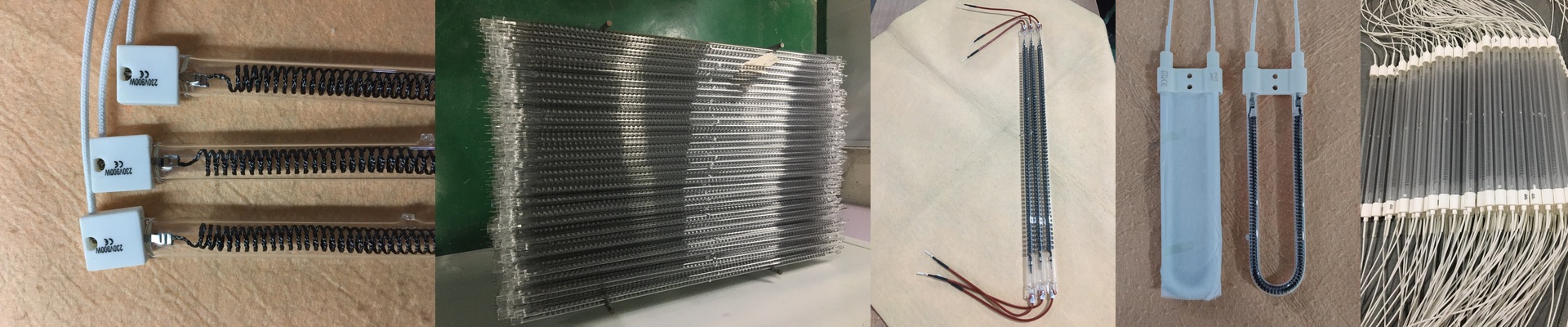
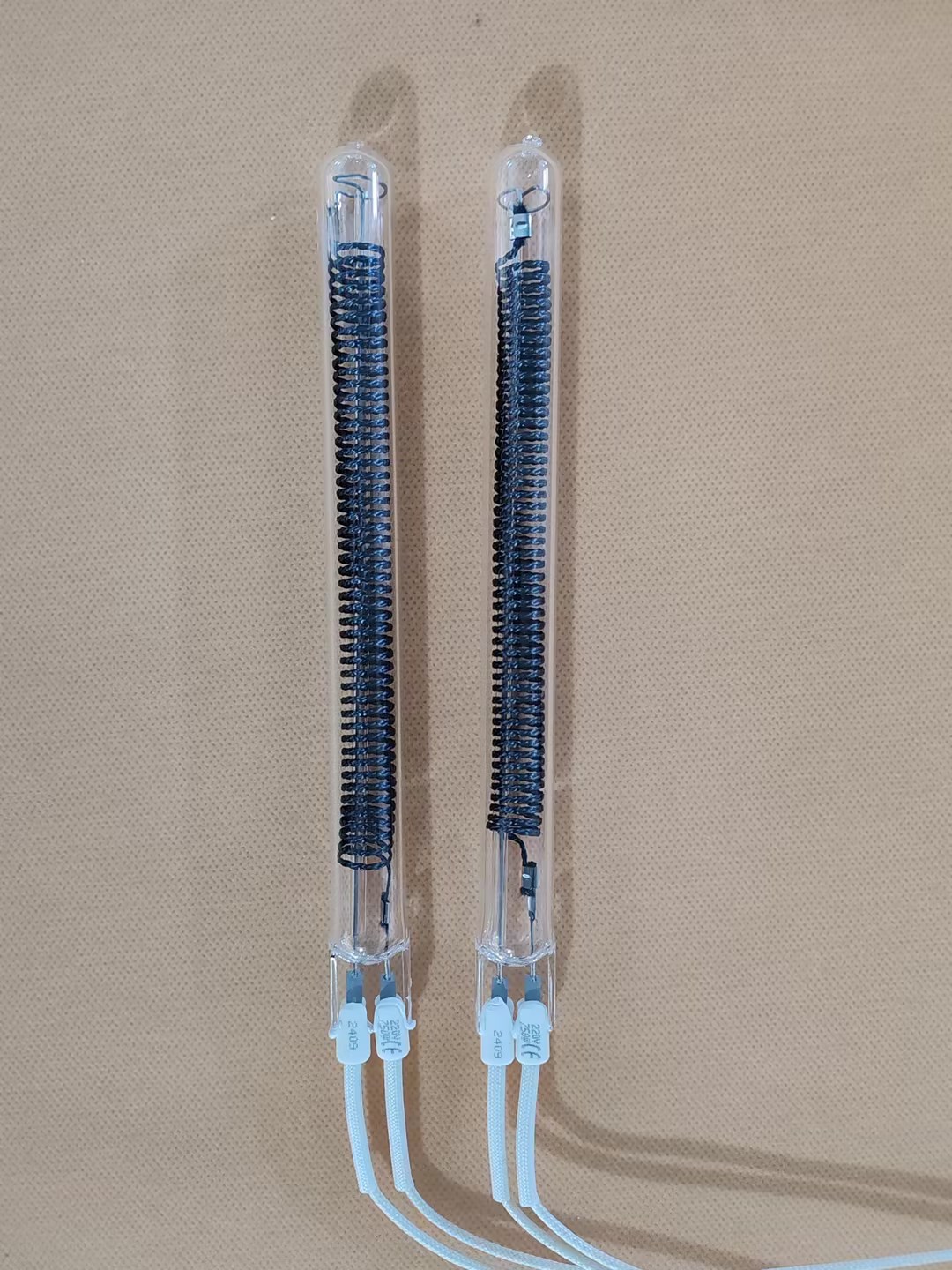
Ever had to wait around for a heating element to finally “wake up” and get to temperature? It’s a pain. That’s why we use electric carbon rod heaters. They’ve got a carbon filament tucked inside a quartz tube that pumps out high-intensity infrared radiation. The best part? They’re nearly instant. You get high power density right away, so you can stop wasting time waiting for the heat to soak in.
Getting the Power Right
When we’re figuring out the specs, it really comes down to how much heat you need and how fast you need it. A high-wattage rod gets you to your target temp in a flash. But keep in mind, that puts a bit more pressure on your power supply. If you’re running 230V or 400V, just double-check your wiring. You don’t want a voltage drop ruining your day because the current draw is too high. As for size, we usually build these between 100mm and 500mm. Go short if you’re heating small parts in a tight spot. Go long if you need to spread that energy across a wider surface.
The Nitty-Gritty on Materials
That quartz tube isn’t just for looks—it’s there to keep the carbon filament from oxidizing. Without it, the whole thing would basically burn itself out in a few minutes. We stick with R7s or Sk15 connectors. Why? Because they’re the standard. It means you can usually just pop these into your existing gear without a headache. And here’s a little pro tip: some of our rods have a special coating. It shifts the emission spectrum so the heat actually sinks deeper into your material instead of just scorching the top layer.
The Trade-offs (Because nothing is perfect)
Here’s the thing: carbon rods are fast, but they’re fragile. One clumsy move during installation and—snap—you’ve cracked the quartz. You’ve got to be gentle with them. Also, because they put out so much heat so quickly, you can’t just cram them into a tight box. You need airflow. If there’s no ventilation, you’re going to cook your surrounding electronics. Just take a quick look at your thermal shielding to make sure the radiant heat isn’t warping your chassis.