Why 99.99% Quartz Purity Actually Matters for PCB Heating Lamps
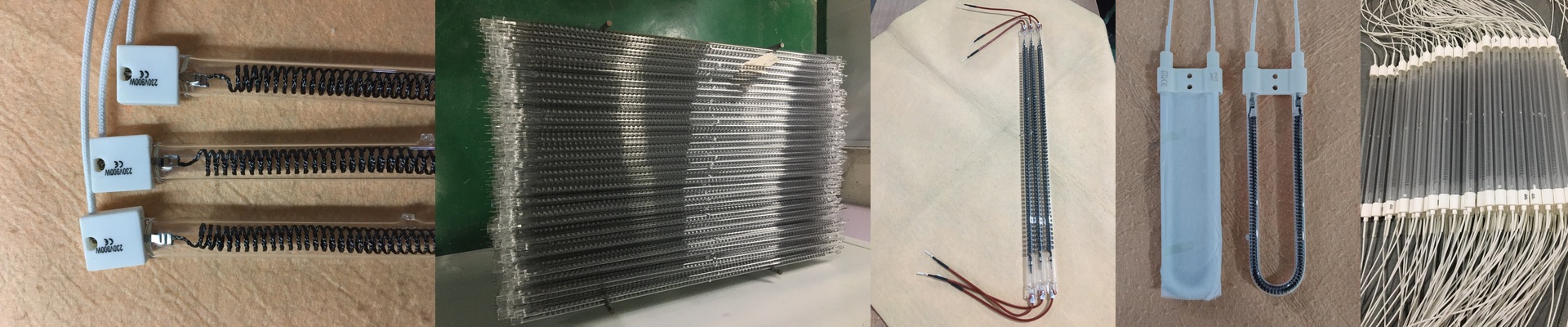
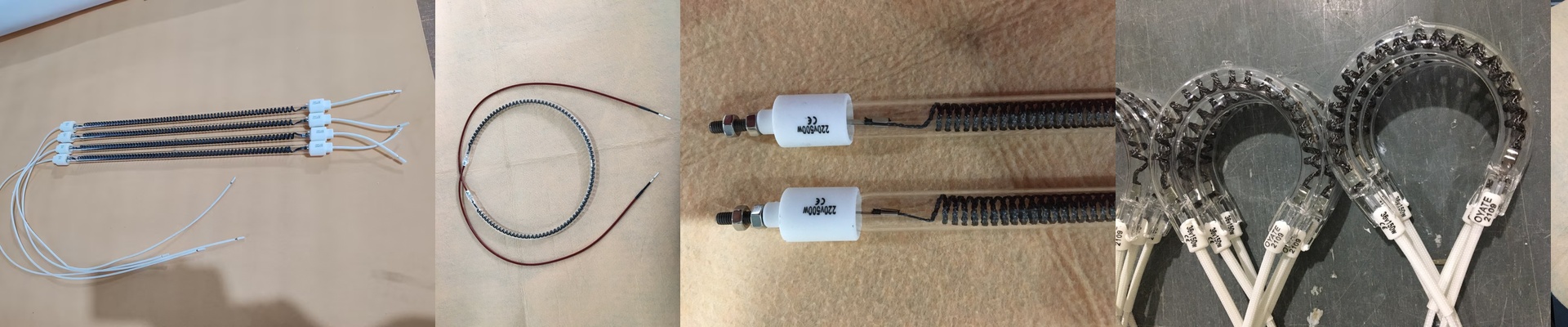
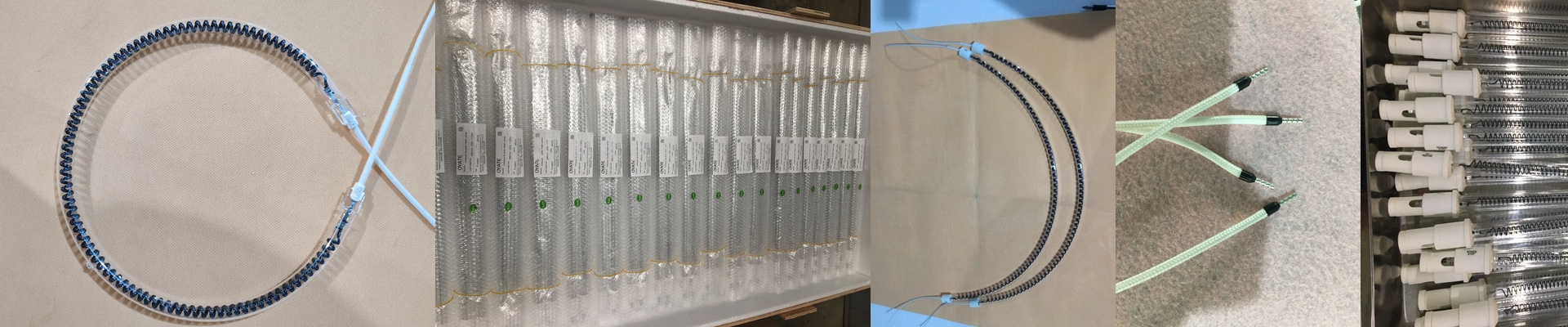
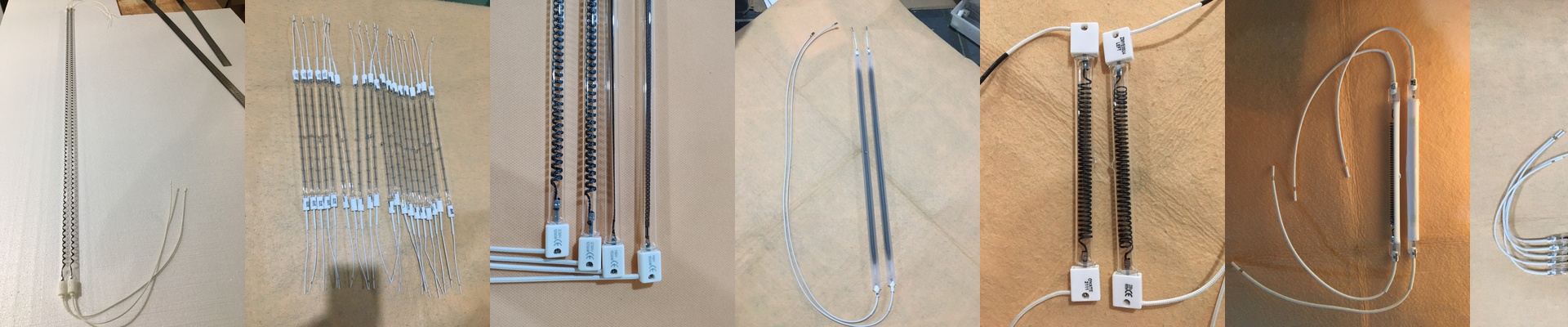
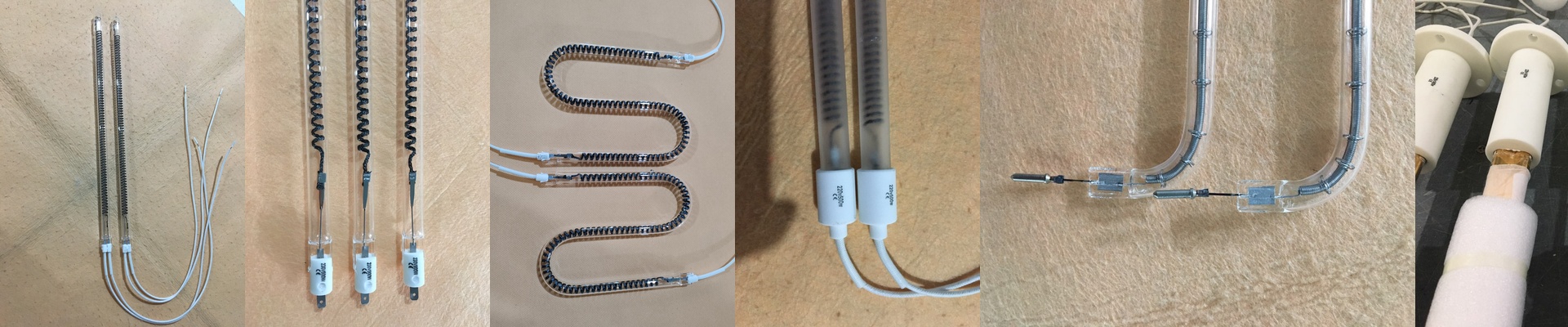
When you’re building heating lamps for smart meter PCBs, it’s easy to think of the glass as just a shell to hold the filament. But it’s actually more of a filter. Most standard quartz is “fine.” It lets enough infrared (IR) energy through to get the job done. But in the world of precision electronics, “fine” usually means uneven heating and a lot of wasted power. Here’s the thing about the physics. We stick with 99.99% high-purity synthetic quartz because it strips out the junk—things like aluminum or iron. Those tiny metallic impurities are like sponges; they soak up the IR radiation. When your purity drops, the glass itself starts heating up instead of letting that energy hit the PCB. It creates a bottleneck. With high-purity quartz, the IR wave goes straight to the board. You get a much tighter heat profile. It’s the difference between a board that cures perfectly and one with those annoying cold spots that lead to solder defects. But it’s not just about the light. It’s about how the tube survives the heat. Low-grade quartz doesn’t handle temperature swings very well. In a fast-paced PCB line, these tubes are expanding and contracting constantly. Those impurities I mentioned? They create tiny weak points in the glass. Eventually, that’s where the tube cracks or just blows out. Using 99.99% purity keeps everything stable. The tubes can take a real beating from constant cycling without falling apart. Now, let’s be honest: high-purity quartz is expensive. It’s going to bump up your upfront costs. And you have to be careful with how you handle them. These tubes are picky. A few fingerprints or a smudge of oil on the glass can cause “hot spots,” which will crack the tube regardless of how pure the quartz is. Keep your setup clean. Otherwise, you’ll find yourself burning through your spare parts way faster than you’d like.