Stop Your IR Lamps From Giving Out
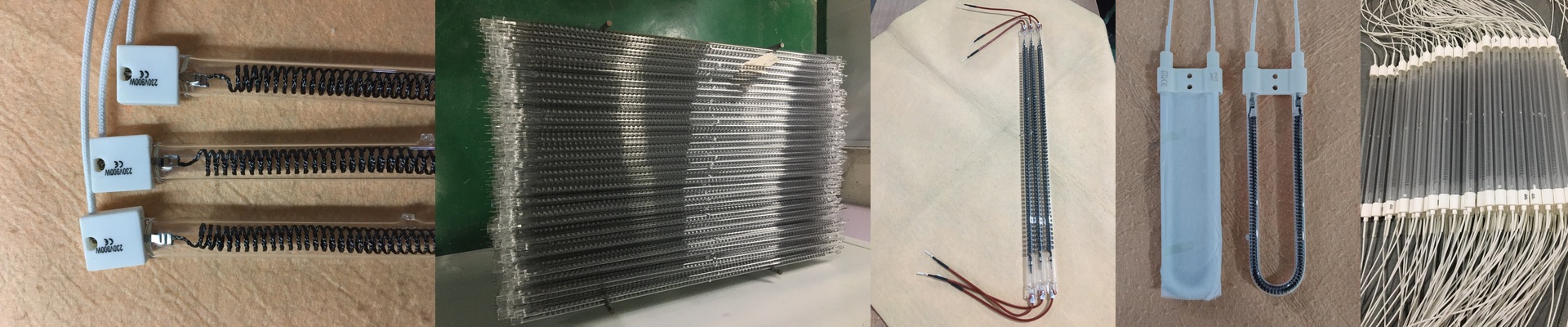
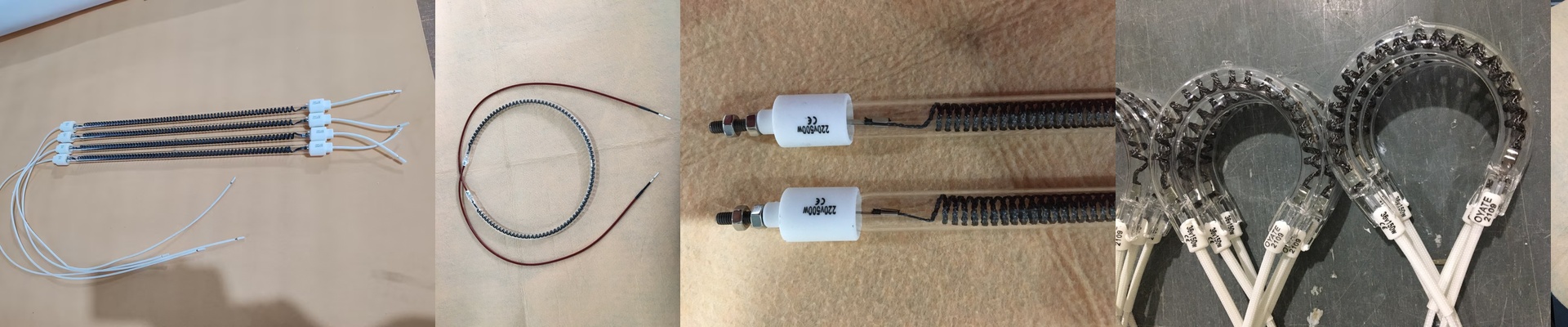
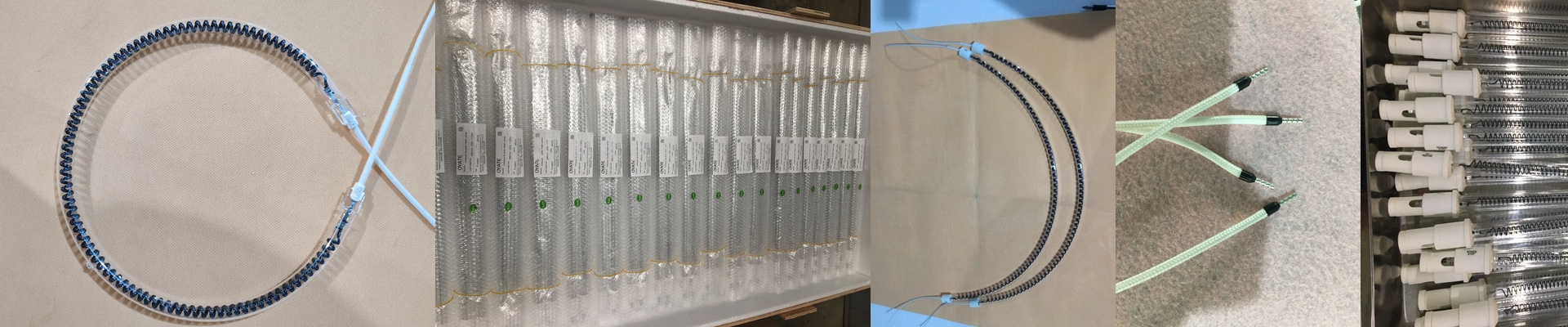
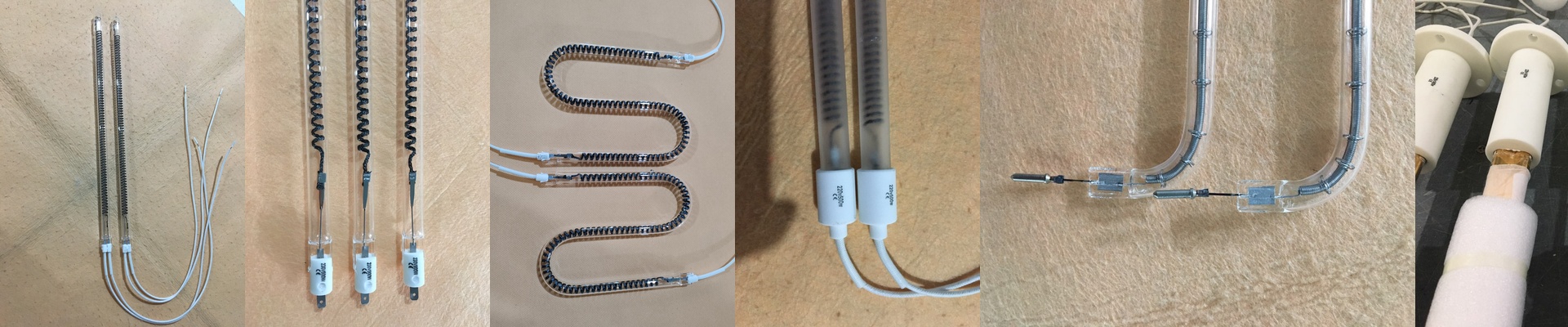
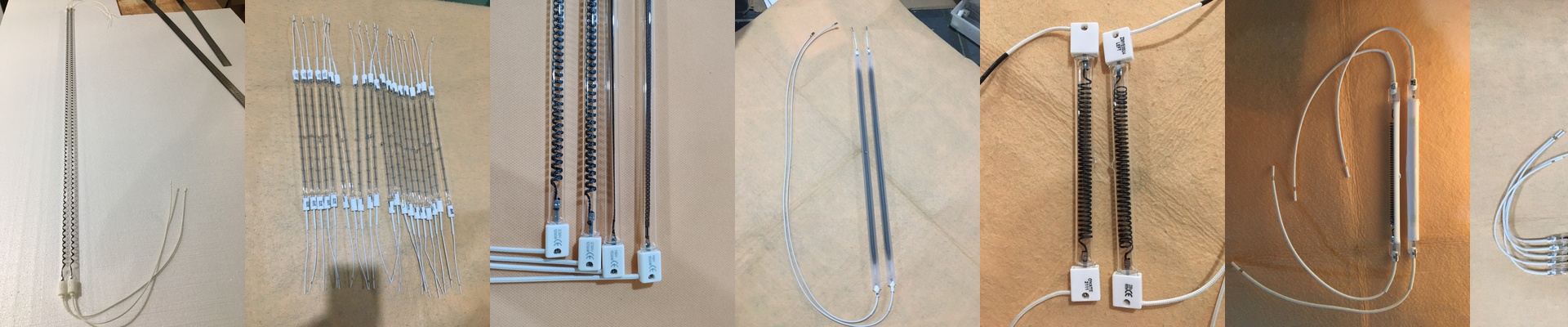
When you’re repairing a smartwatch, you’re playing a dangerous game with heat. You need it hot enough to melt the glue, but not so hot that you fry the OLED screen. Shortwave infrared lamps are the go-to tool here, but the heat isn’t actually the hardest part. The real killer? The cycling. If you’re running your lamp in “flash-dry” or rapid-pulse mode, that filament is expanding and contracting thousands of times. It’s a brutal cycle. If the supports aren’t exactly right, the tube warps or the filament starts to sag. Once that happens, your focal point shifts, your heat distribution goes wonky, and you’re suddenly risking the device on your bench. Keeping things straight Most cheap lamps fail because they’re just too loose. The brackets don’t account for how materials actually move when they get hot. We do things differently. We use high-purity quartz glass and reinforced supports that actually lock the filament in place. It keeps the lamp dead straight, even after tens of thousands of those rapid on-off hits. We don’t just guess, either. We push our tubes through structural fatigue tests until they either break or prove they can handle the job. The balancing act High-wattage lamps get you up to temperature fast, which is great for your workflow. But that speed puts a massive amount of stress on the quartz envelope. It’s basically thermal shock, over and over again. To stop the lamps from eating themselves, we balance the voltage and wattage. The goal is to hit that perfect operating temperature without melting the support structure. One more thing: check your power supply. Pulsed operation creates huge current spikes. If your driver doesn’t match the lamp’s impedance, you’ll burn out the ends of the filament way too soon. We build our lamps with tight tolerances so you can just pop them into your repair station and get back to work. No fuss, no guesswork.