Stop Guessing Where Your Lamps Go in the Curing Oven
Trying to get the heat just right in an electronic curing oven usually feels like a fight. You’re chasing cold spots one minute and dealing with overheating the next. If your lamps aren’t exactly where they need to be, your boards warp or the solder just doesn’t take. It’s a headache. That’s why we stopped guessing and started using digital twins.
The logic behind the layout
Instead of just eyeballing it, we build a virtual version of the entire oven. We plug in everything—how fast the conveyor moves, the weight of the PCBs, the whole works. Then, we map out how the infrared radiation actually moves. We use algorithms to figure out the perfect angle and distance for every single heating element. It means the heat actually hits the spots it’s supposed to, every single time.
Why a grid isn’t enough
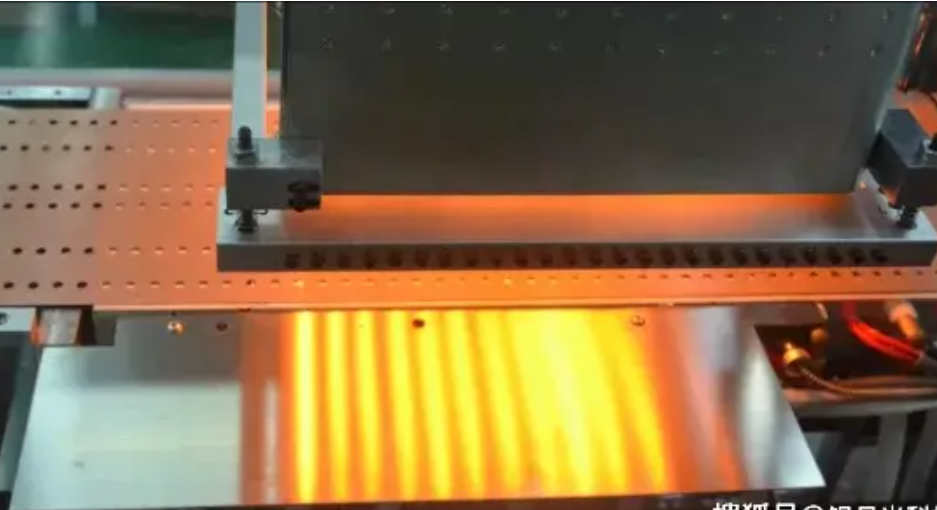
Most people just set up their lamps in a basic grid. The problem? You end up with “hot zones” where the lamps overlap and “dead zones” where the board stays cold. Our software tries out thousands of different positions to smooth everything out. We’re looking for that sweet spot where the heat is steady across the entire belt. Plus, it often means you can use fewer lamps. That lowers your power bill without ruining the cure.
The reality check
Now, look—simulation isn’t magic. A digital twin is only as smart as the data you feed it. If your oven has a leaky seal or the conveyor belt is shaking, the real-world heat map is going to shift. You still have to get in there with physical thermocouples and calibrate things after the first run. But here’s the win: you aren’t spending your afternoon moving brackets and rewiring lamps on the shop floor. You figure it out in the software, build it once, and hit your temperature targets on the first try.