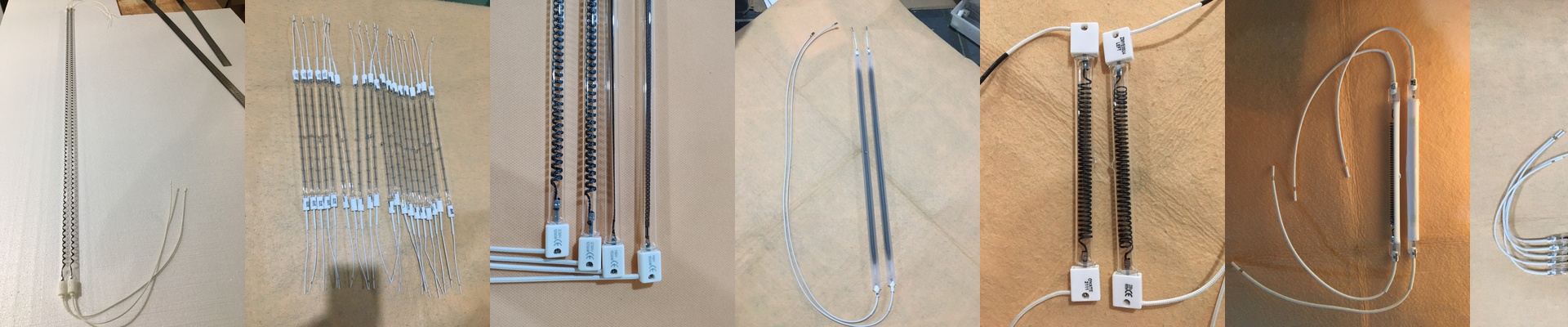

Stop Burning Your Boards: A Real Talk on IR Heating
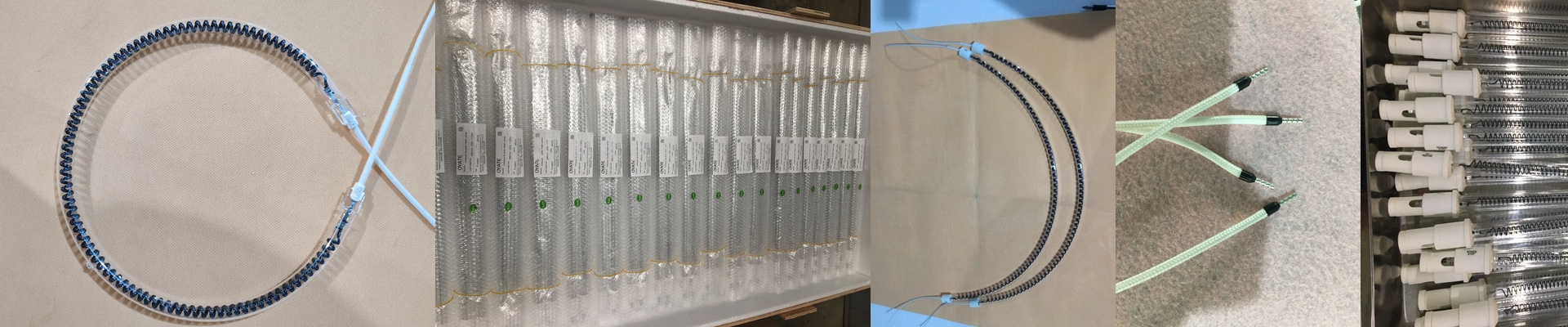
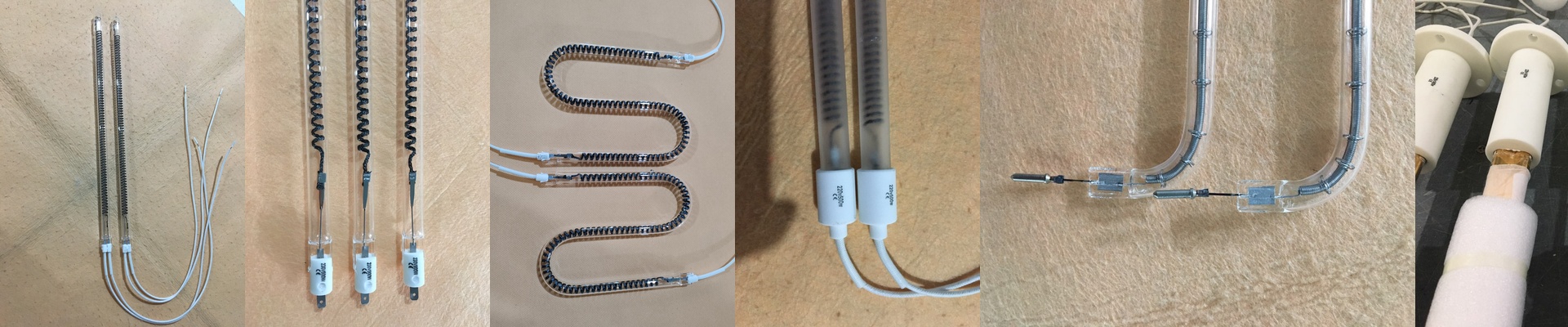
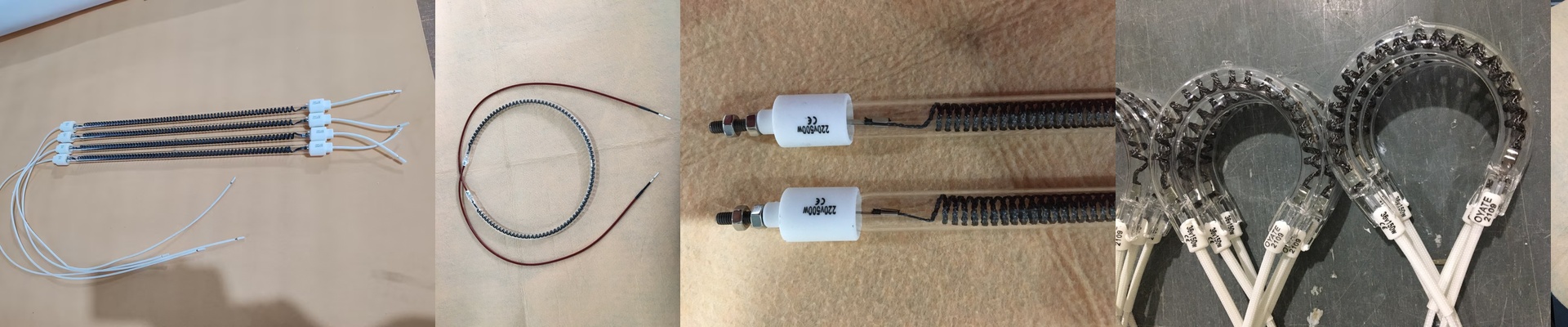
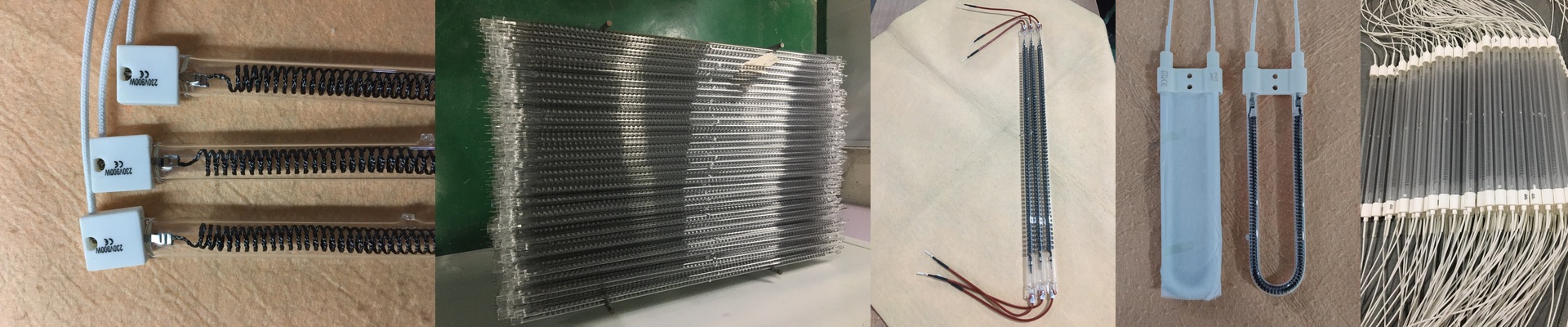
Look, we don’t just ship you some heating elements and wish you luck. That’s not how this works. We’re here to make sure your boards don’t warp and your components don’t fry the second you start desoldering or reflowing. The secret is getting that board up to its glass transition temperature (Tg) without accidentally hitting the point where your solder joints just give up. It’s a delicate balance. Getting the heat right It all starts with the IR emitter. We pick these for high heat density because you want the board to warm up quickly. But—and this is the big “but”—you can’t just blast it. If you crank the wattage too high too fast, you’ll end up with delamination. It’s a nightmare to fix. That’s why our digital controllers let you set a specific ramp-up rate. You get a fast soak time, but the peak temperature stays under control. No thermal shock, no ruined boards. Why we use quartz-halogen We stick with quartz-halogen technology for a reason: the wavelength. Short-wave IR actually sinks into the PCB substrate. Instead of just heating the air around the board (which is slow and uneven), the bottom of the board heats the top through conduction. It’s much more efficient. And since these tubes take a beating with constant on-off cycles, we use high-grade quartz envelopes. We pay extra attention to the seals at the lead-in wires because that’s usually where things fail. We make sure they actually last. The trade-offs you should know about Here’s the thing about setting these up: your power supply needs to be rock solid. These heaters pull a lot of juice, and if your circuitry isn’t ready for the load, you’ll see voltage drops. Also, while these stations save a ton of space compared to those massive convection ovens, they can create localized hot spots. If you’re working with larger boards, you’ve got to be smart about where you put your sensors. You don’t want “cold spots” ruining your work. We don’t just give you the hardware; we help you with the thermal mapping. That way, the heat stays flat across the whole surface, and you can actually trust the result.