Getting Your PCB Preheating Right
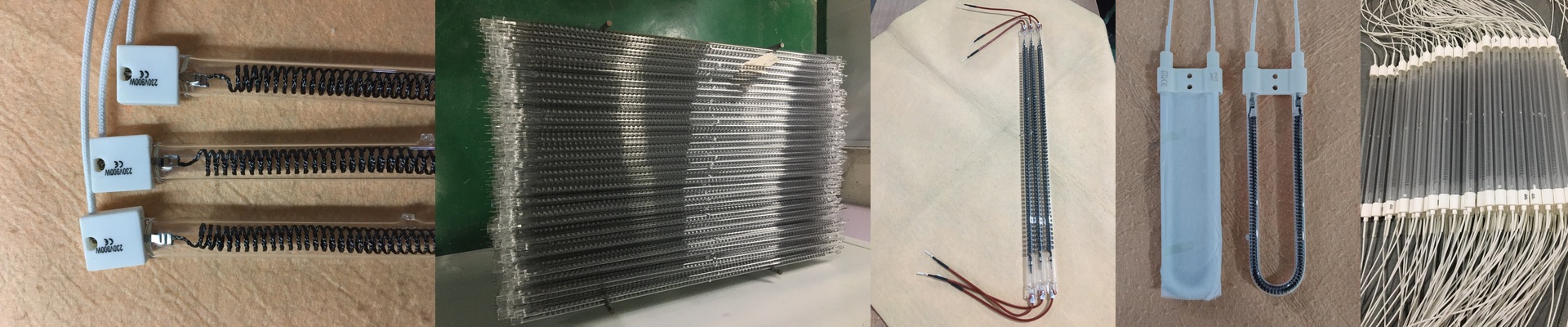
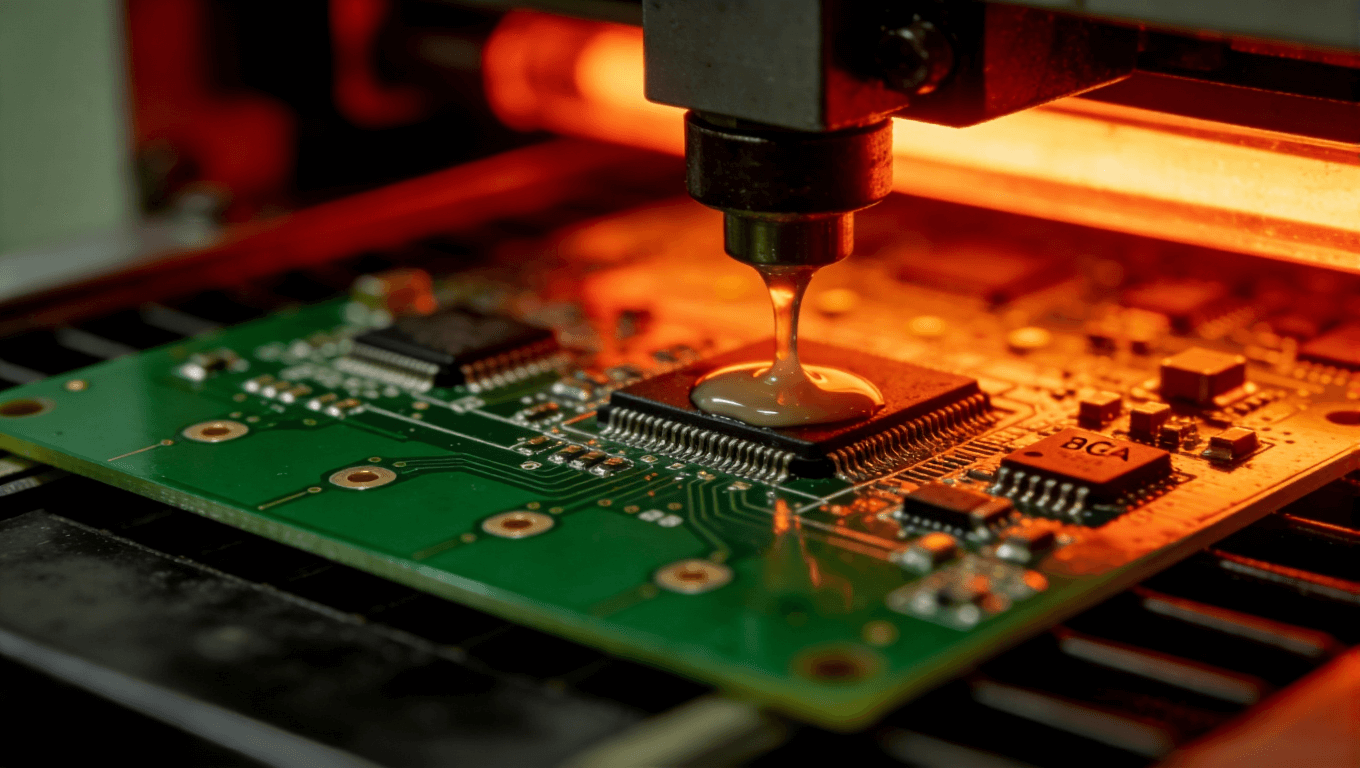
If you’ve ever dealt with a ruined high-density interconnect because of thermal shock, you know exactly why we’re talking about this. It’s a nightmare. That’s why we use shortwave infrared (IR) emitters in our heating stations. The goal is simple: get that board to the right preheat temperature before reflow without killing the components.
The Deal with Power and Heat
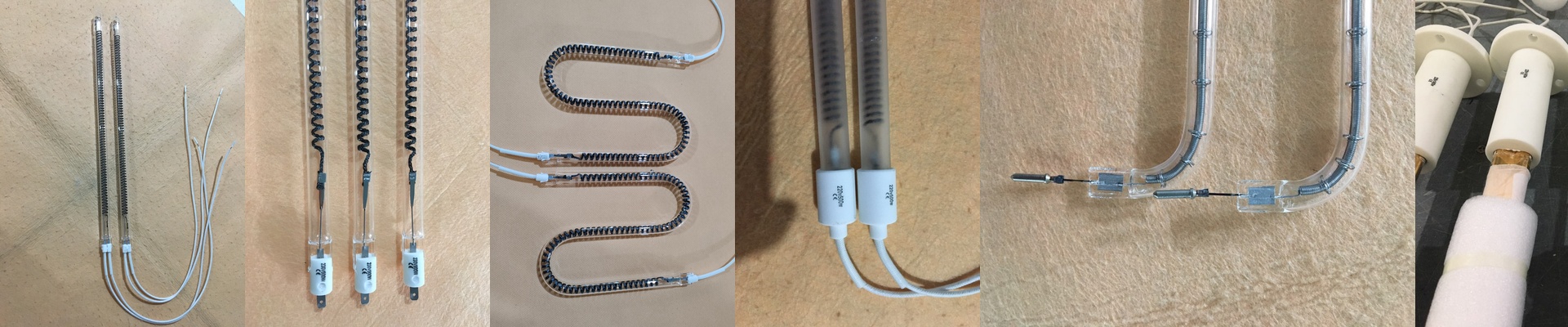
We stick with high-wattage quartz lamps. Why? Because they ramp up fast. When you go with a high-voltage setup, you get the kind of heat density that actually sinks into multi-layer boards. The best part is that it doesn’t just turn your entire chassis into an oven of waste heat. But here’s the catch: your power supply has to be a perfect match for the lamp’s rated voltage. If you under-volt it, you’ll never hit your soak temperature. If you over-volt it? You’ll fry the filament in a few hours. It’s a tight balance, but it’s the only way to do it right.
Why Quartz Matters
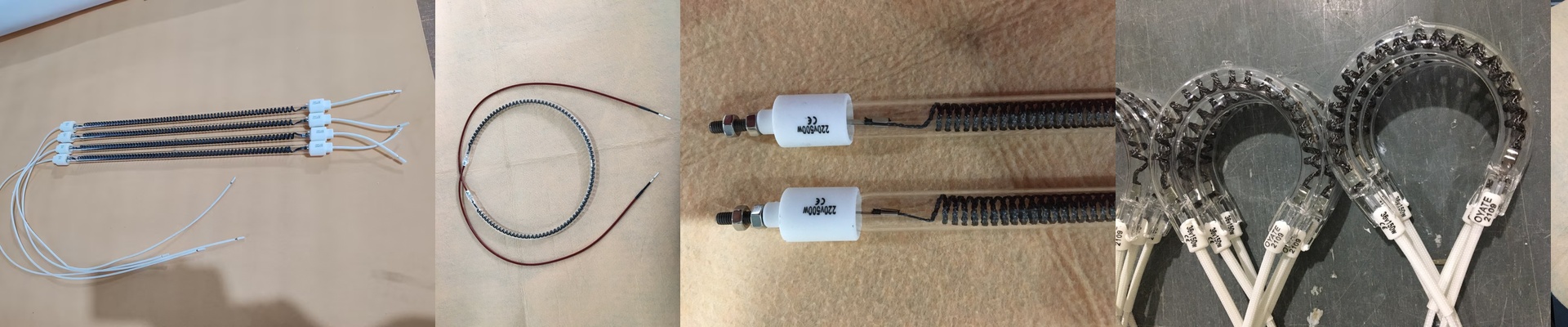
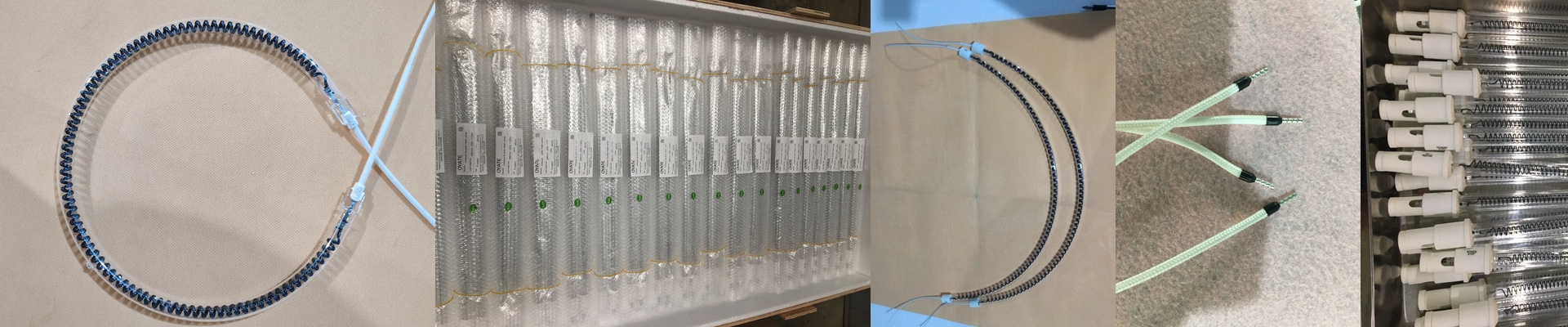
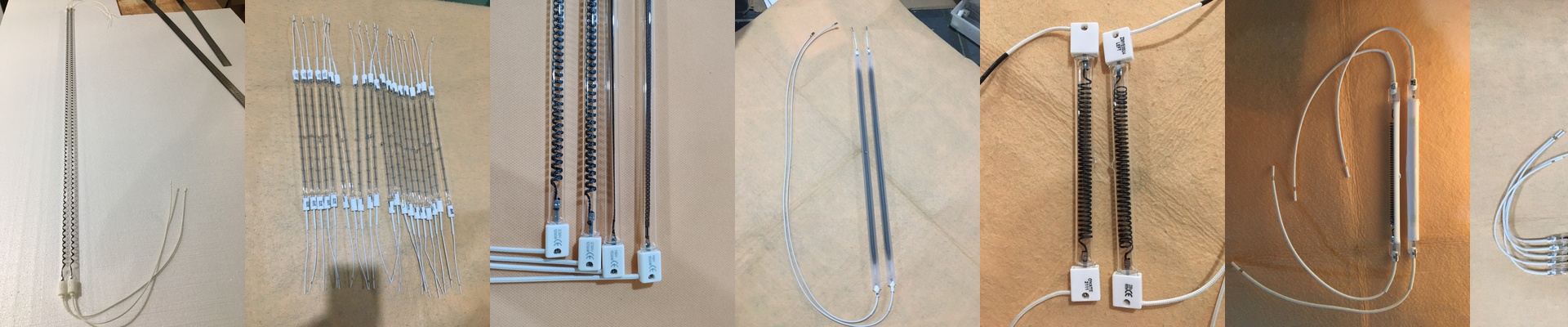
We use halogen-filled quartz tubes. They just hold up better. You can run them through thousands of cycles and the spectral output stays stable. Some of our stations even use coated tubes. This shifts the wavelength so the heat actually penetrates the FR-4 substrate instead of just baking the surface solder mask. And we didn’t want you spending your afternoon rewiring a rack just because a bulb popped. So, we use standard R7s or Sk15 connectors. You can swap a blown tube in minutes and get back to work.
The Trade-offs
Large PCB footprints are notorious for “cold spots.” Digital IR control fixes that. It keeps the board flat and stops it from warping, which saves you a lot of headaches down the line. Just keep in mind that these high-intensity emitters put off a lot of ambient heat. If you don’t have your exhaust fans and cooling ducts sorted, your control electronics will start to drift. To keep things accurate, we throw in a dedicated heat sink for the PID controllers. It keeps the readings honest and your boards safe.