
Getting the Heat Right: The Truth About PCB Heating Stations
Most heating stations just blast heat at a board and hope for the best. But if you’ve spent any time on a production line, you know that’s a recipe for disaster. A couple of degrees of difference here or there? That’s how you end up with warped boards or cold solder joints that fail a week after they leave the shop.
Why “Close Enough” Isn’t Good Enough
We designed these stations to kill the “spike.” You know that annoying thermal overshoot where the temperature jumps past your target? We fixed that. By pairing digital PID controllers with high-density elements, the board hits the exact temperature you set and stays there. This is a lifesaver when you’re working with multi-layer PCBs. Those internal copper planes act like giant heat sinks, sucking away warmth and making it impossible to get an even soak. Depending on what you’re building, you’ll want to keep an eye on the wattage. If you’re pushing heavy-duty industrial boards, you need more power density to keep your ramp-up speed where it needs to be.
The Hardware Side of Things
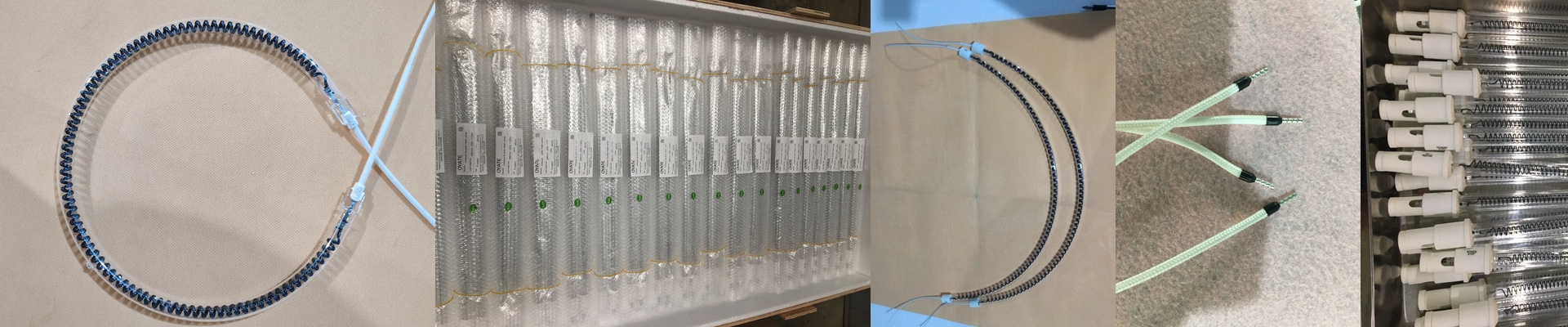
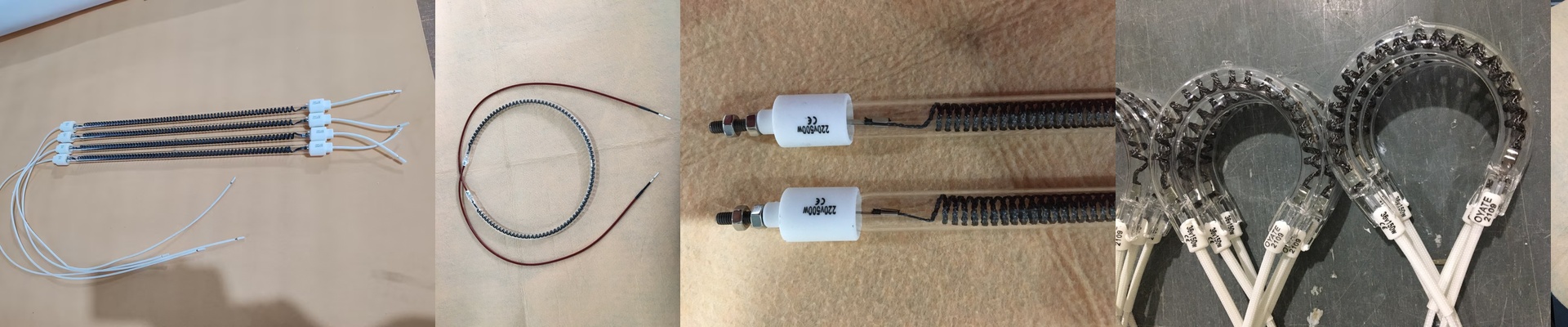
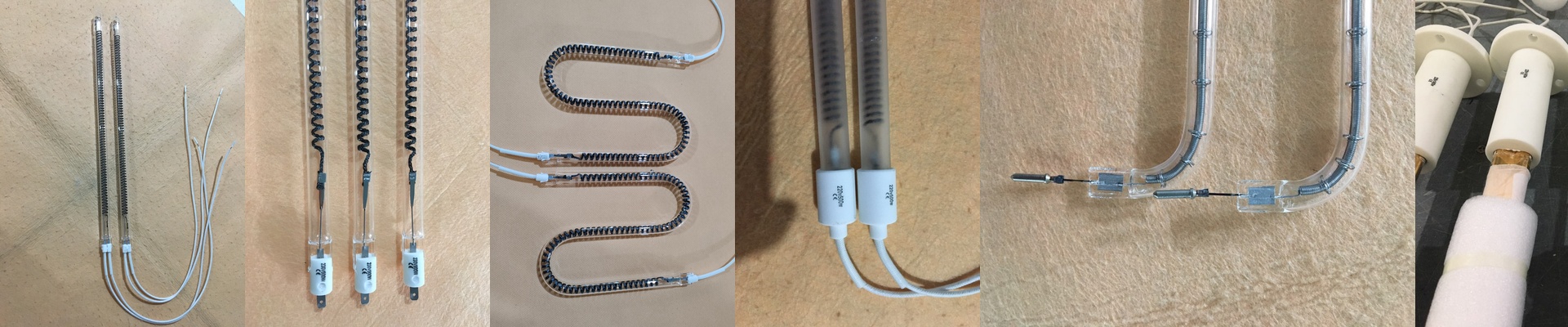
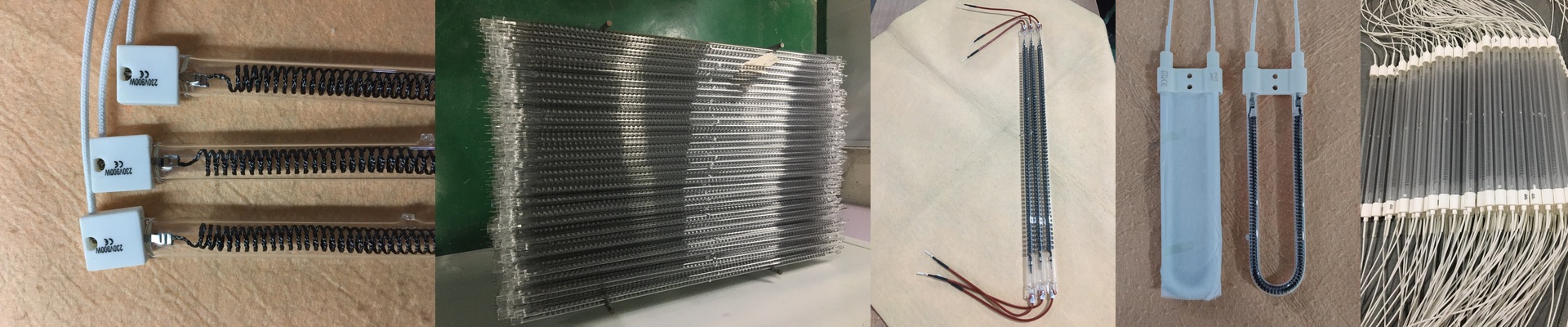
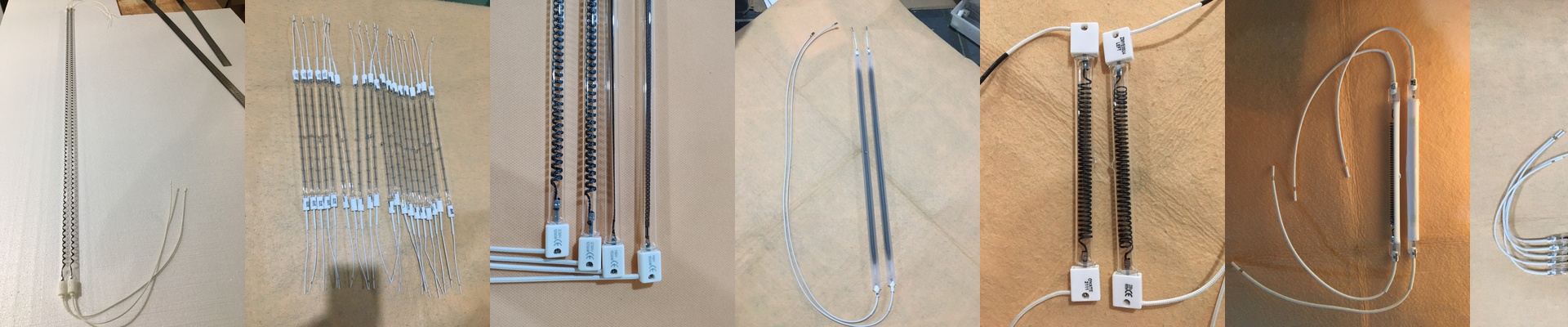
We used materials that can handle being heated and cooled over and over again without cracking. The infrared distribution is calibrated to be flat and uniform—no hot spots, no dead zones. We also kept the footprint small. No one wants to tear up their entire conveyor layout just to fit a new piece of gear. These just slide right into your existing SMT line. One quick tip:**get your grounding right.**If your grounding is sloppy, you’ll get electronic noise in the sensors. That leads to temperature drift, and suddenly your “precision” station isn’t so precise anymore.
The Reality Check
These stations are a dream for BGA reballing and precision soldering because you get a perfectly flat thermal profile across the whole surface. It just works. But here’s the catch. High-precision digital gear is picky about power. If your factory floor has voltage that jumps around, you’re going to have problems. You’ll need a dedicated stabilizer. Without one, the sensors might trip and shut the whole thing down to keep your board from frying. It’s a great safety feature, but if your electrical wiring is a mess, it’ll kill your throughput.