Getting the Heat Right for Quantum Chips
When you’re building quantum chips, “close enough” doesn’t cut it. Standard electronics assembly is a walk in the park compared to this. You need temperature stability that’s almost obsessive. To get there, we pair digital temperature controllers with high-intensity infrared (IR) lamps. It’s basically how we bridge the gap between big, clunky heating and the nanometer precision those qubits demand.
Why PID Control Matters
If you use a basic on/off switch, you’re asking for trouble. You get these thermal spikes—overshoots—that can wreck a wafer in seconds. A single degree of drift is all it takes to ruin your day. That’s why we use PID controllers. Instead of just slamming the power on and off, they modulate the energy. You can ramp up the heat fast, then just…flatline. You hit your set point and stay there. No wobbling, no oscillations. Just a steady, reliable heat.
The Magic of Short-Wave IR
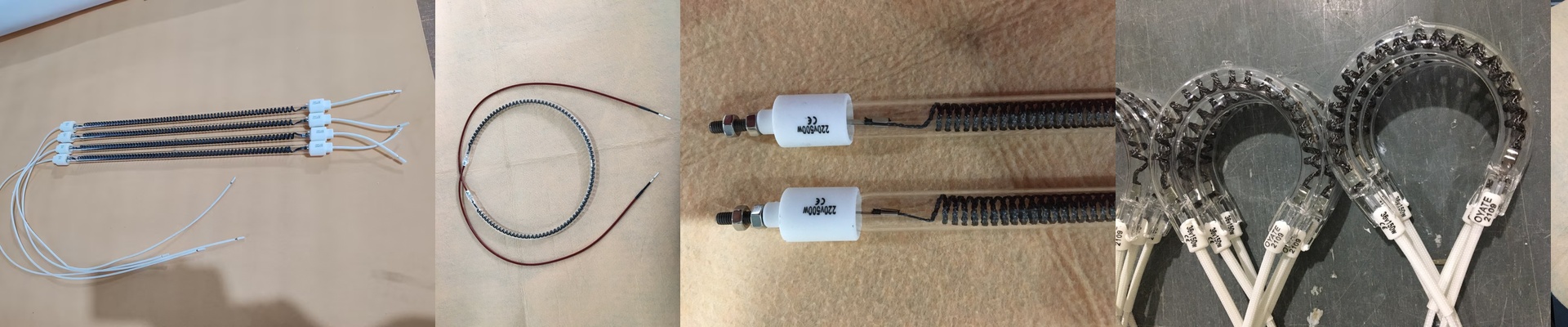
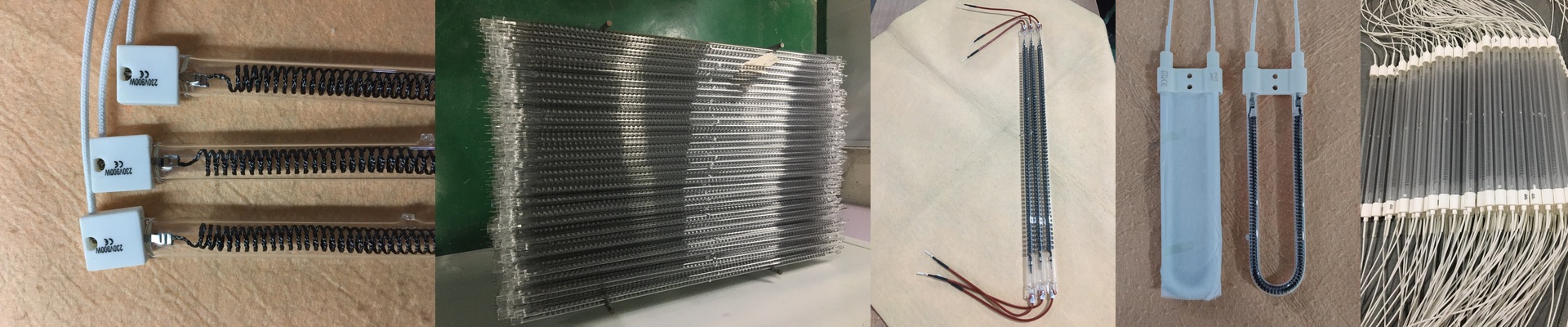
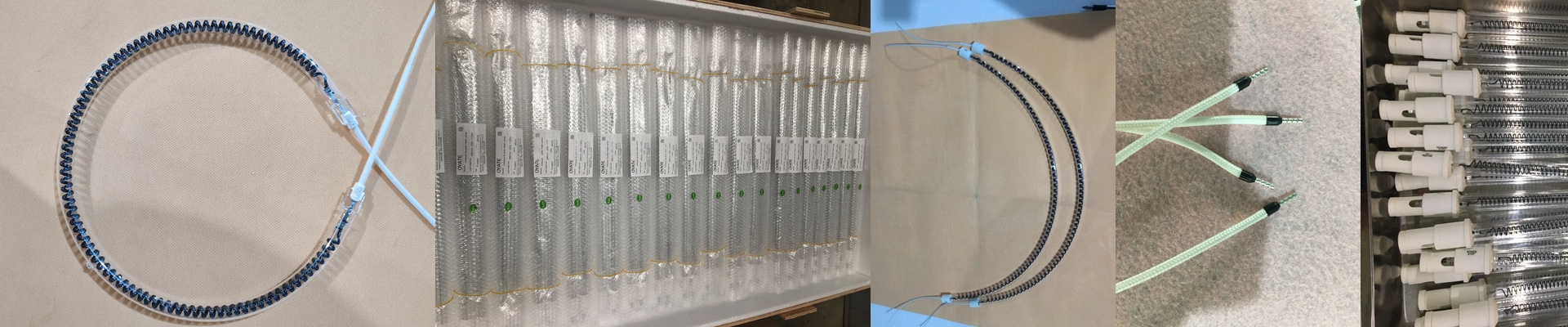
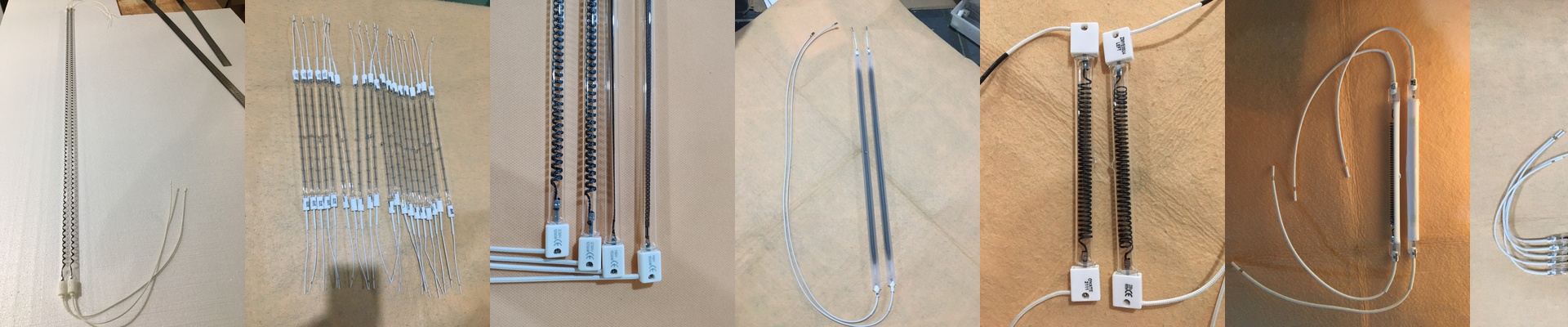
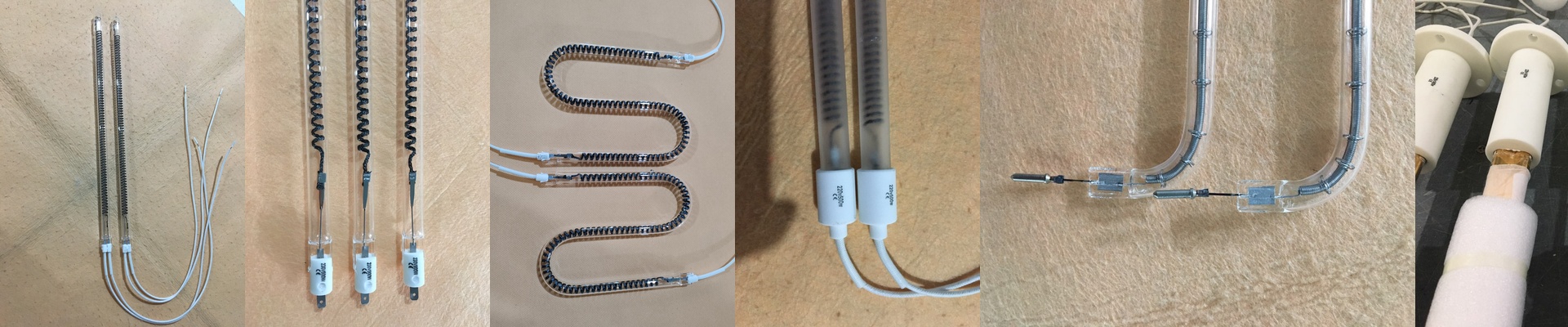
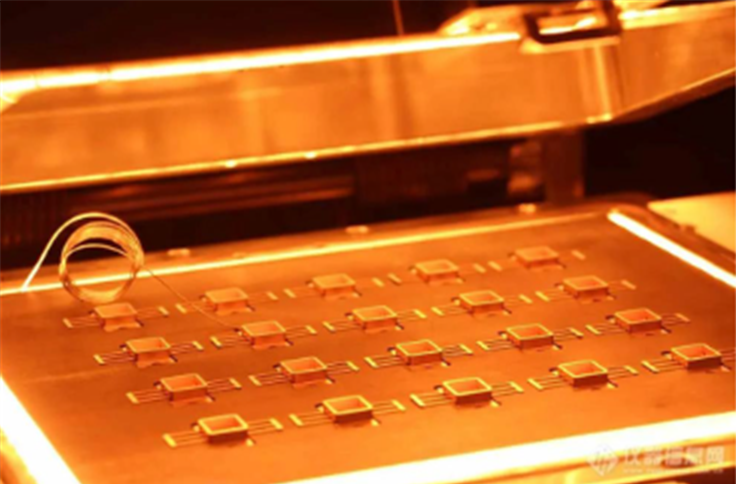
We stick with short-wave IR lamps for a reason: they actually get into the material. Long-wave stuff just bounces around. These lamps let us concentrate energy into a tiny footprint. You can heat the chip substrate itself without turning the entire mounting fixture into an oven. It keeps things tight and stops the rest of the assembly from expanding and shifting.
The Trade-offs (The Messy Part)
Here’s the thing: high heat density isn’t free. When you run these lamps at full tilt, they put off a massive amount of radiant heat. If you aren’t careful, that heat drifts right into your sensors. You’ve got to be smart about your shielding and cooling fans. If your cooling is weak, your thermocouple starts reading the hot air around it instead of the actual workpiece. Then the PID loop starts fighting the ambient heat, and before you know it, you’ve burnt out your lamps.
Setting It All Up
When it comes to wiring, keep it simple and low-impedance. You don’t want voltage drops messing with your precision. I always recommend high-temp shielded cabling. The digital controller can put out some nasty EMI, and the last thing you want is that noise bleeding into your sensitive measurement gear. It’s a great alternative to those old-school curing ovens. You move from convective heat to radiant heat, which cuts your cycle times way down. It’s just faster.