Stop Your IR Lamps from Burning Out
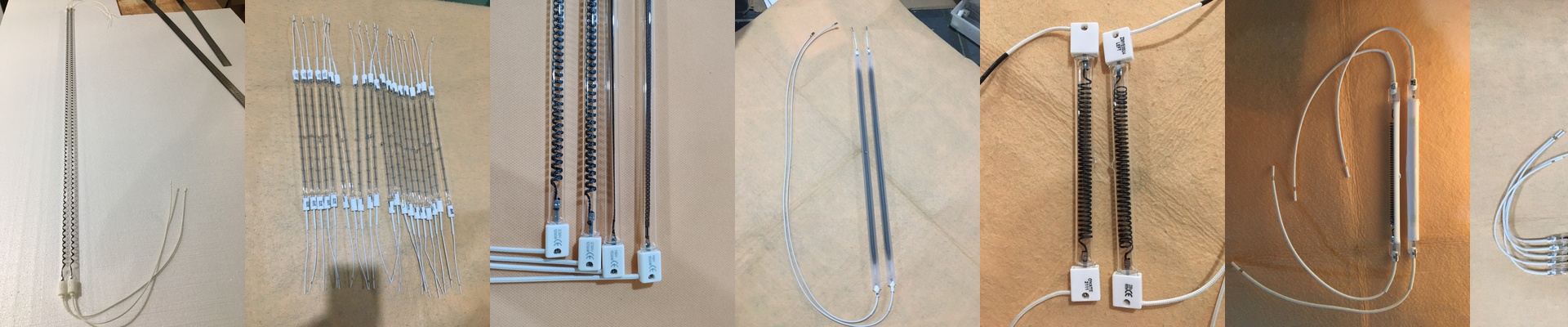
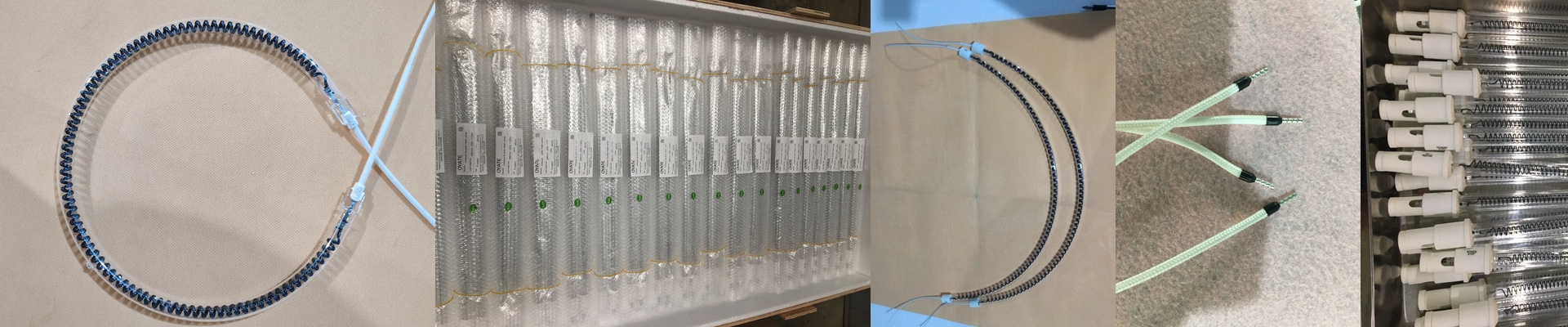
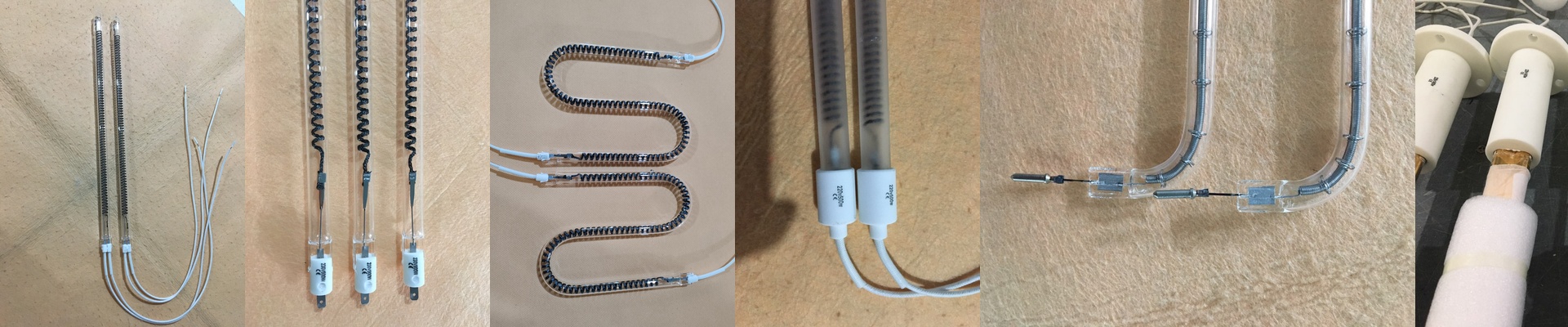
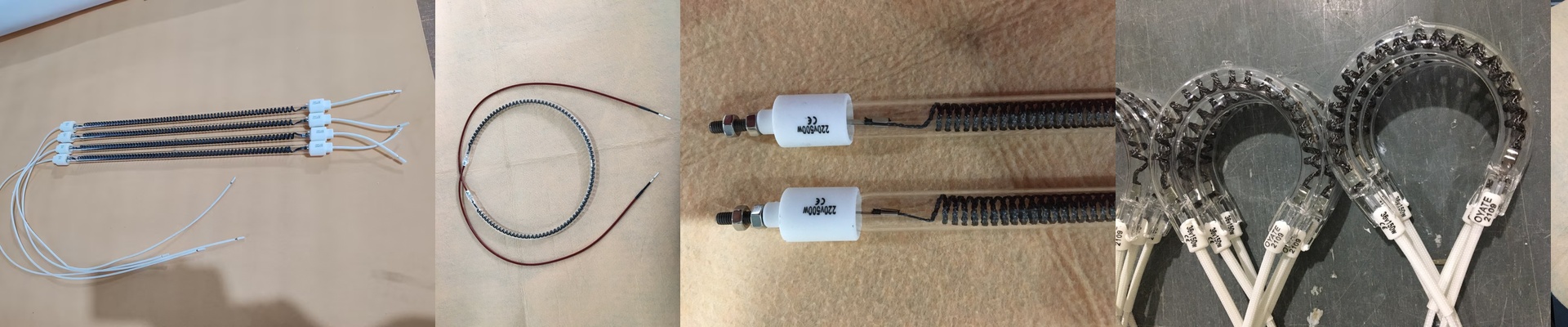
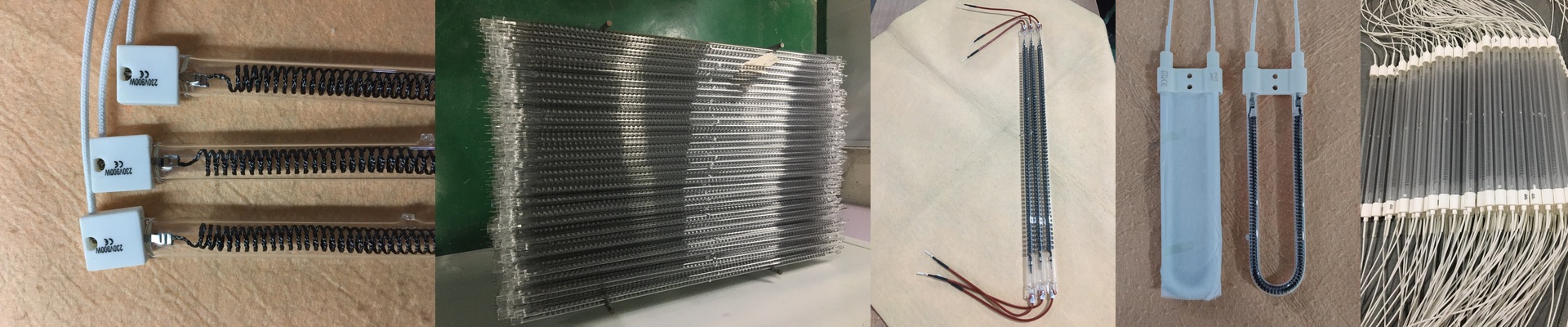
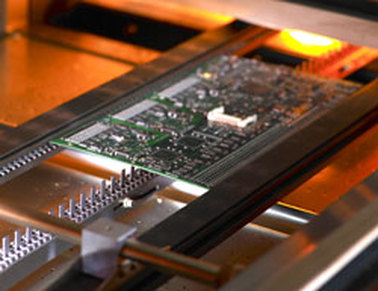
If you’ve ever worked on smartwatch repairs, you know the drill. You need heat—and you need it exactly where the adhesive or solder is—so we use shortwave IR lamps. They’re fast. They hit the spot instantly. But there’s a annoying catch. As you work, solder fumes and flux residue drift straight up. They land right on the heating element and bake onto the quartz glass. Before you know it, you’ve got these “hot spots” on the lamp, and that’s usually when the whole thing pops and burns out. It’s a pain.
The “Air Curtain” Fix
To stop this from happening, we added something we call an air curtain to the IR module. Think of it as a bodyguard for your lamp. Instead of letting those fumes wander wherever they want, a nozzle blows a thin, fast stream of filtered air across the face of the lamp. It creates a literal wall of air. The fumes hit that wall and get pushed away, sending them straight into the extraction system instead of letting them ruin your hardware.
Finding the Sweet Spot
Now, you can’t just blast air at it. There’s a bit of a balancing act here. If the air is too strong, you’ll actually cool down the part you’re trying to heat, which means you’re sitting there waiting longer for the solder to melt. But if the air is too weak? The fumes leak through and you’re back to square one with a dirty lamp. We’ve tuned the airflow to keep that shield steady without stealing the heat from your workpiece. It just works.
Why It Actually Matters
Without this, you’re spending your weekends scrubbing quartz glass with isopropyl alcohol—which is a gamble, because one wrong move and the glass cracks. Or worse, you’re just replacing expensive lamps way too often. With the air curtain, the lamp stays clean. Your heat stays consistent. You can run thousands of cycles without worrying about the lamp giving up on you. The only thing you have to do is keep your air filters clean. Because if the filters are clogged, you’re just blowing dust onto the lens. But hey, swapping a filter is a lot easier than replacing a blown IR tube.