Getting the Heat Right: Precision IR for Electronics Repair
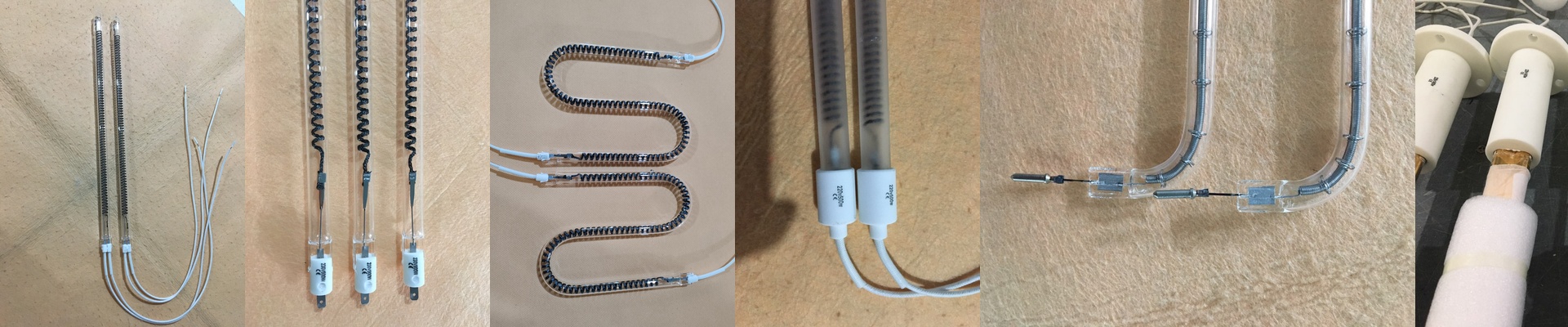
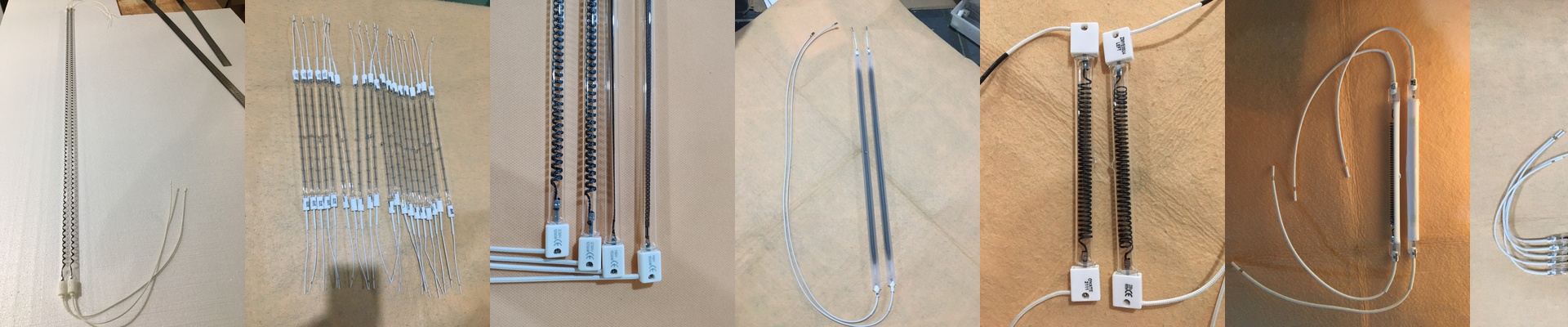
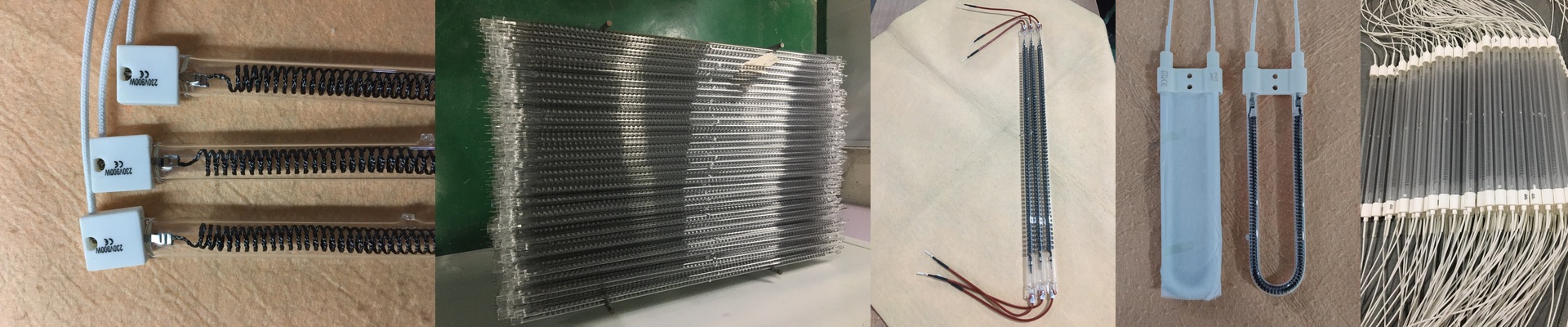
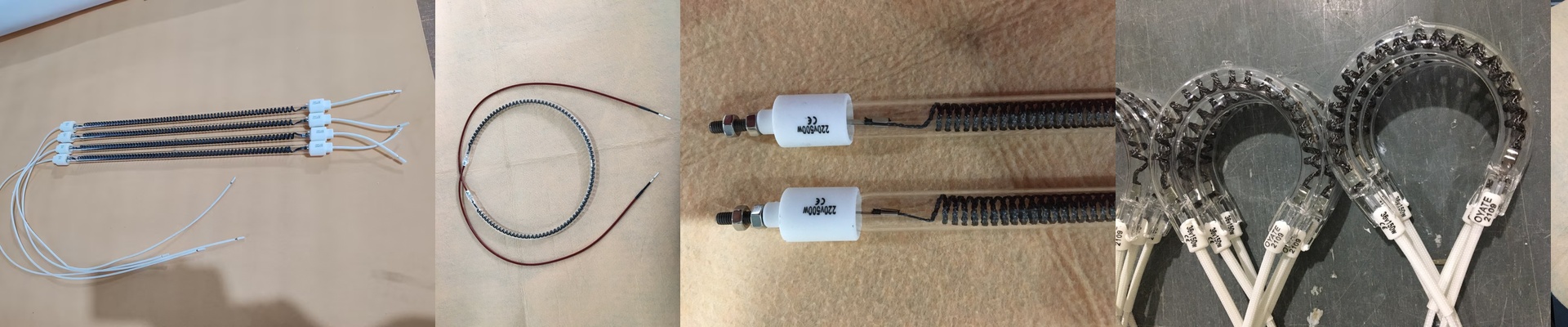
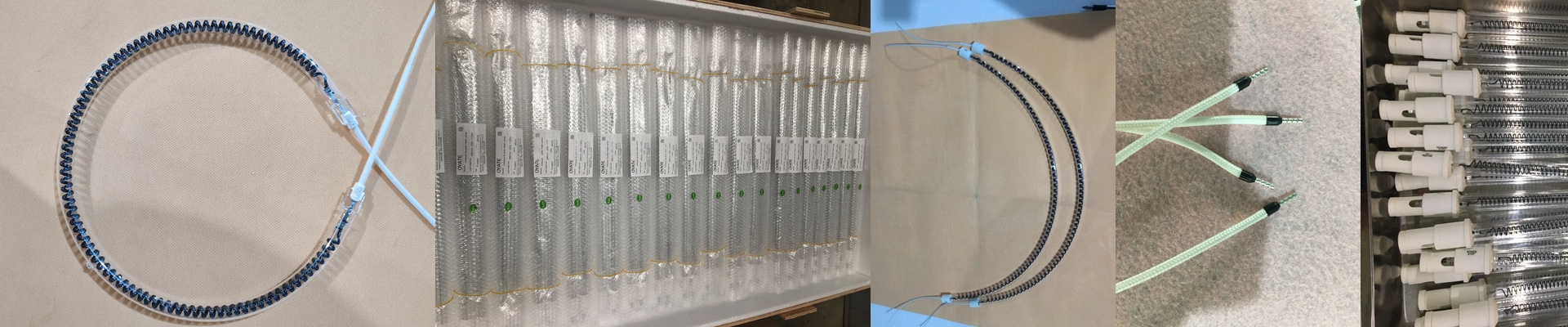
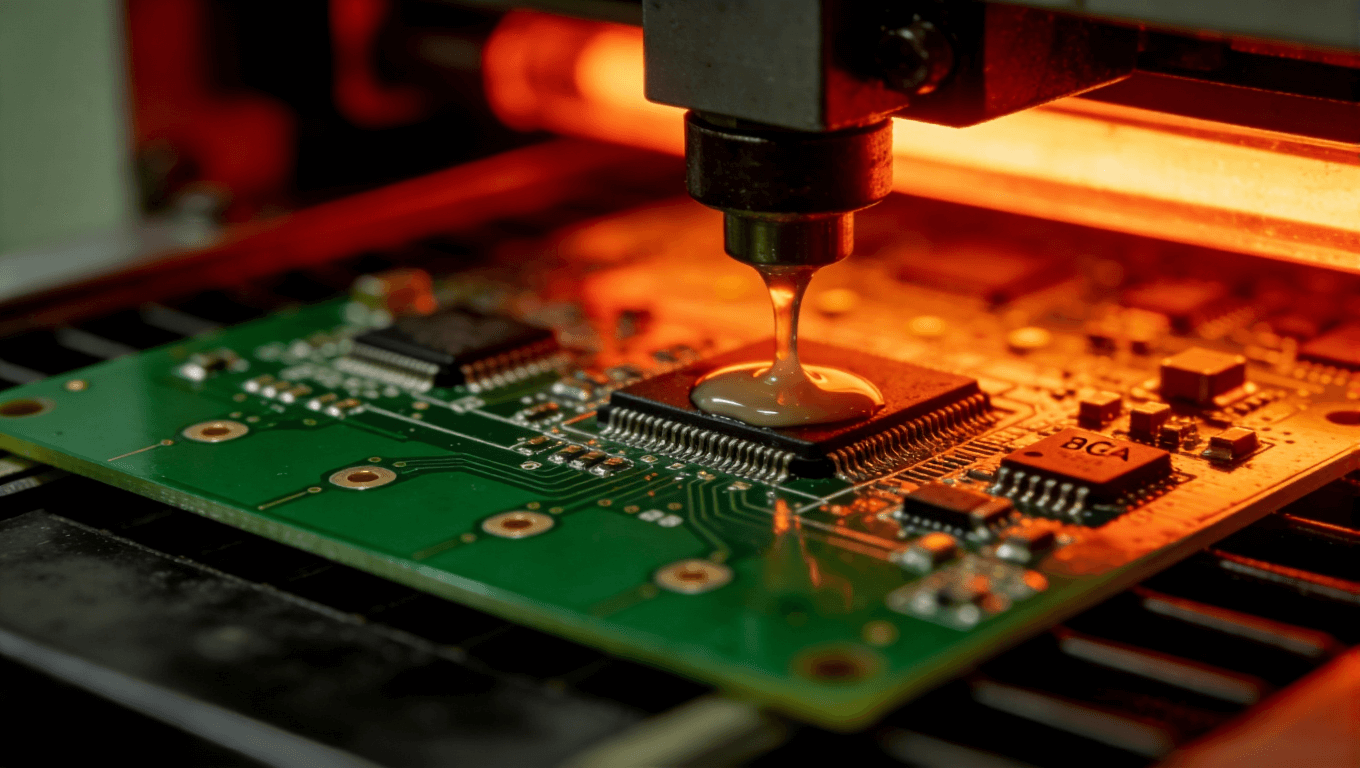
When you’re digging into a smart home device, the last thing you want is to accidentally melt a plastic housing or fry a PCB because the heat spread too far. You need the heat exactly where you want it, and nowhere else. That’s why we stopped doing generic, off-the-shelf production and started building IR lamps for the people who actually do the work. The trick is in the wave. We stick with short-wave IR. Why? Because it hits the target faster. It dives right into the component, letting you reflow solder or break a stubborn adhesive bond without “cooking” the rest of the board. They heat up fast. They cool down fast. Just a heads-up, though: don’t just crank these to max wattage and leave them. Without a timed controller, you’ll burn out the filament. It’s powerful stuff, so treat it with a bit of respect. Built to take a beating We use high-purity quartz glass because standard glass just can’t handle the thermal shock of jumping from cold to hot a dozen times a day. And we didn’t stop there. We added a special coating to the tubes so the heat actually sticks to the component instead of bouncing off the chassis. To make your life easier, we use standard R7s or Sk15 connectors. You can just pop them into most industrial stations. No weird adapters, no headache. A few things to keep in mind Here’s the reality: these lamps pack a lot of punch into a tiny space. Because they’re so dense, they put a real load on your power supply. Make sure your gear can handle that initial surge when you flip the switch. Also, check your fans. If they aren’t moving enough air, the housing is going to get way too hot. We’ve spent ten years obsessing over the gas fill and filament tension to make sure these perform exactly like the big-name international brands. You get the same thermal profile, but you aren’t paying a “brand tax” to get it.