Infrared vs. Hot Air: Getting BGA Chips Off Without the Stress
When you’re trying to pull a BGA chip off a PCB, you’ve got a tricky problem. The solder you actually need to melt is hiding underneath the chip. If you just heat the surface, you’re basically fighting a losing battle. That’s why I usually lean toward infrared (IR) over forced air.
The problem with blowing hot air
Think about how a heat gun works. You’re just pushing hot air across the board. The problem? The chip itself acts like a shield. The top gets scorching hot, but those solder balls underneath? They’re still chilling. To fix that, most people just crank up the heat. That’s where things get dicey. One wrong move and you’ve accidentally blown a tiny capacitor across the room or warped your board into a potato chip. It’s stressful.
Why IR feels different
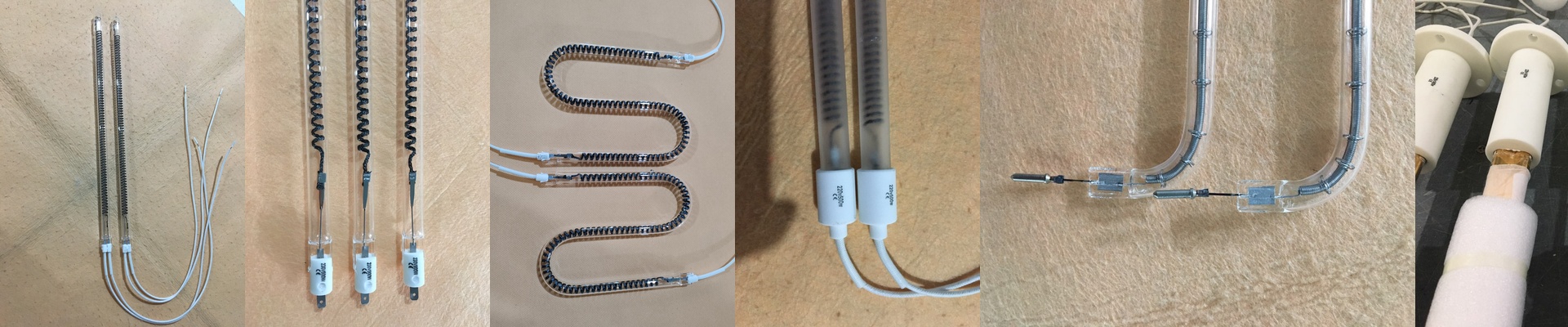
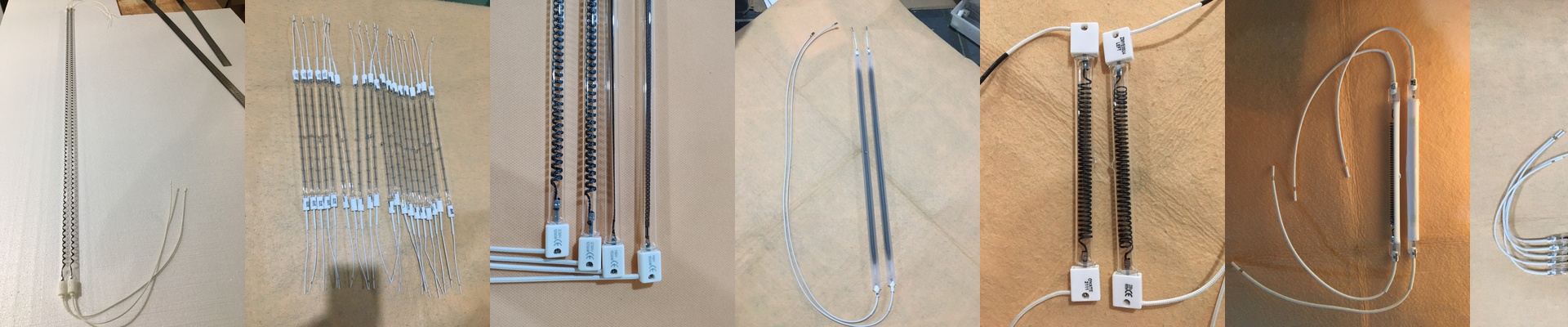
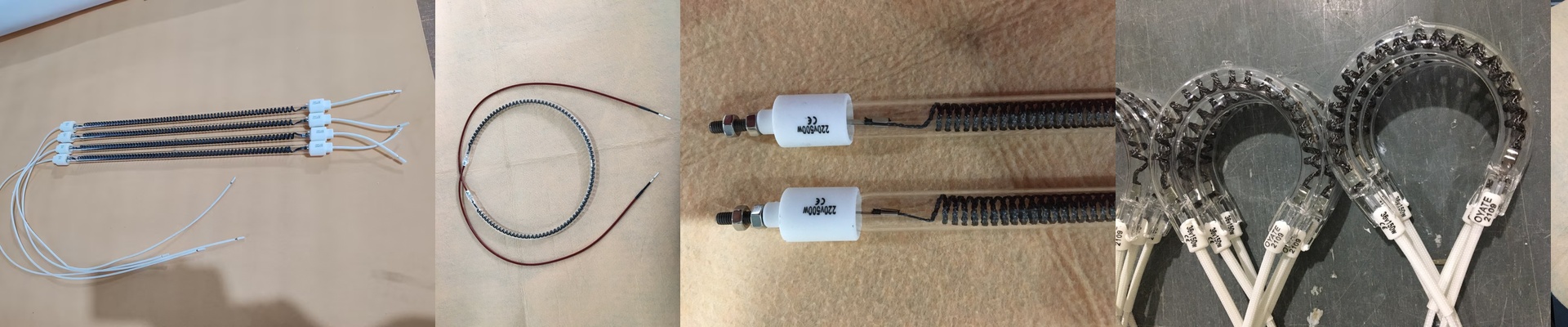
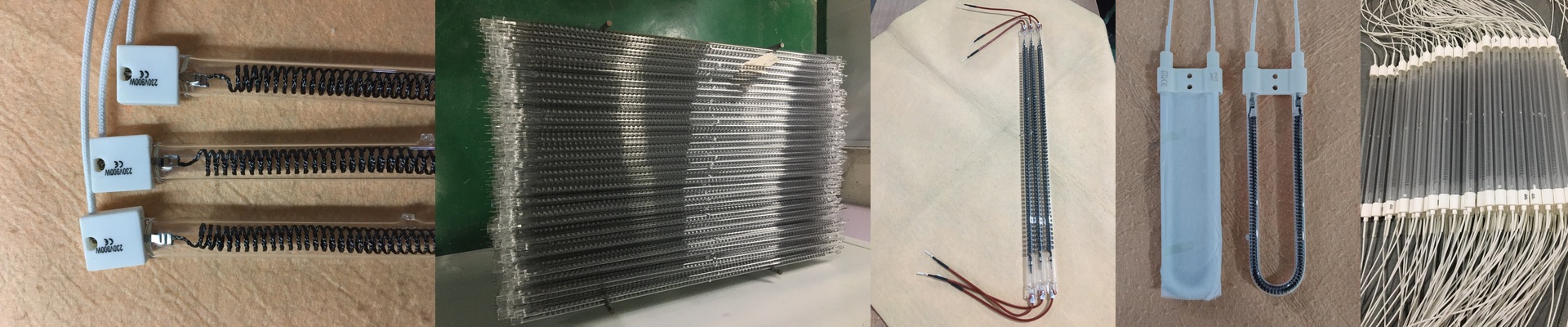
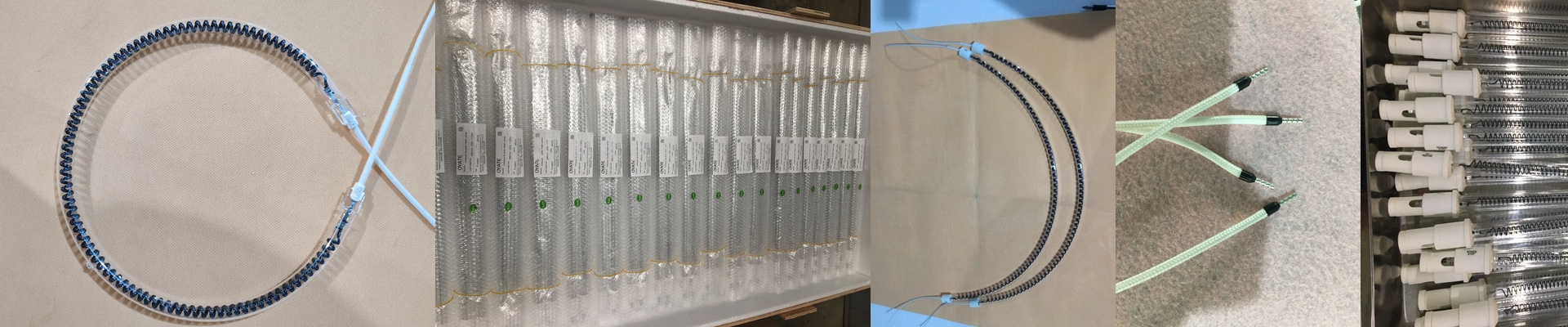
IR doesn’t play by those rules. Instead of pushing air, it uses radiation. Those IR waves actually soak through the plastic packaging of the BGA. The energy goes straight to the solder and the copper pads. It’s a direct hit. You get a much more even heat across the whole area, which means you aren’t guessing if the center is melted while the edges are still frozen.
Getting the temp right
We set up our IR heaters to hit specific wavelengths. Shortwave IR is the way to go because it’s fast. It doesn’t waste time heating up the air around the board; it just goes for the target. You’ll hit that liquidus temperature way faster than you ever would with a heat gun. But here’s the catch: the “shadow effect.” If you only heat from the top, the bottom of the board stays cold. That temperature gap can actually crack your substrate. To stop that from happening, you’ll want a pre-heater to keep things balanced.
Real-world bench talk
The best part about using IR is that nothing is moving. With forced air, you’re always worried about “component drift”—that annoying moment where the air pressure physically shoves a small part out of place while you’re reflowing. With IR, everything stays put. It’s a stable, non-contact heat. It’s kind of like the difference between using a blowtorch and a microwave. One just blasts the surface; the other gets the material excited from the inside out. It just makes the whole process feel a lot safer.