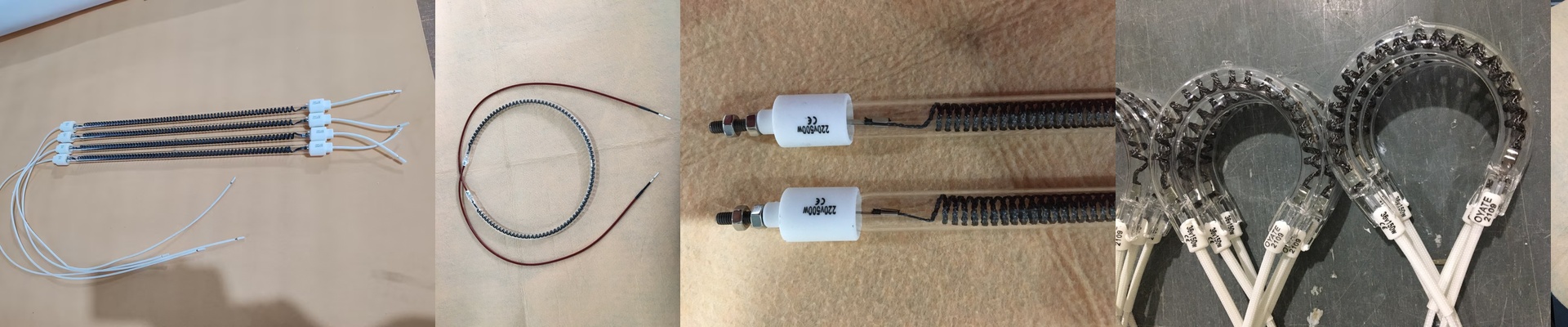

Why 99.99% Pure Quartz Actually Matters for IR Heating
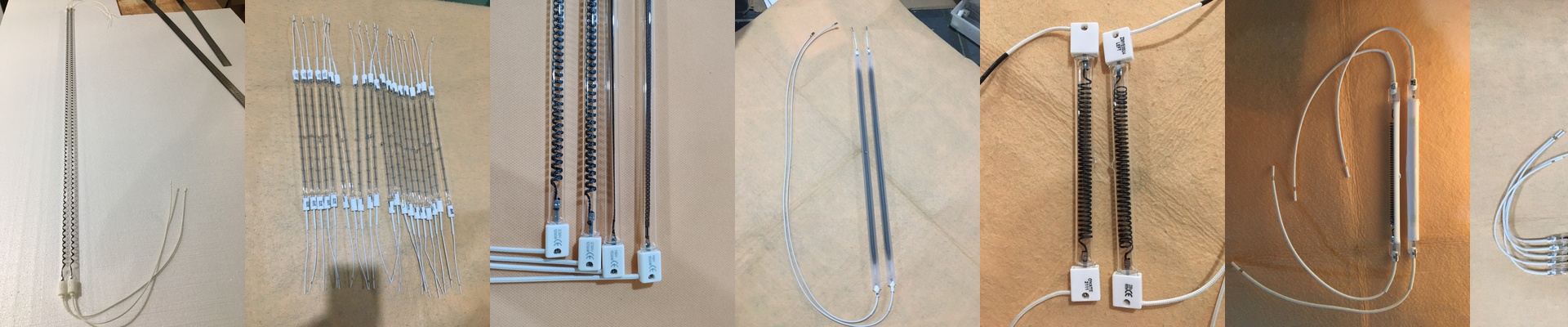
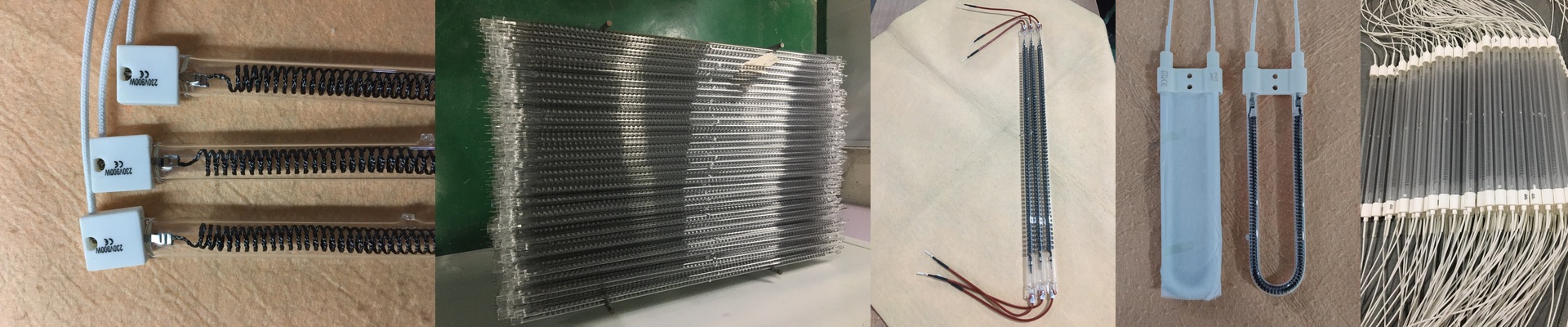
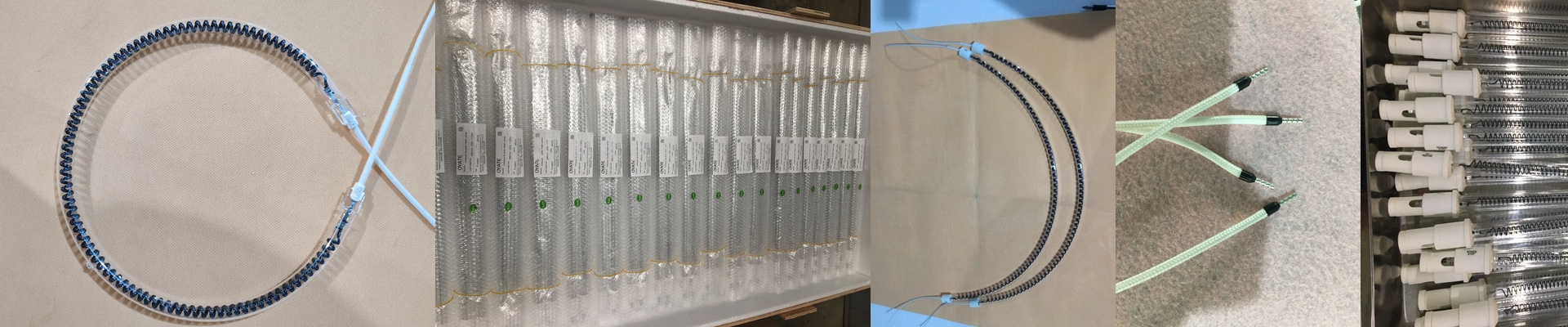
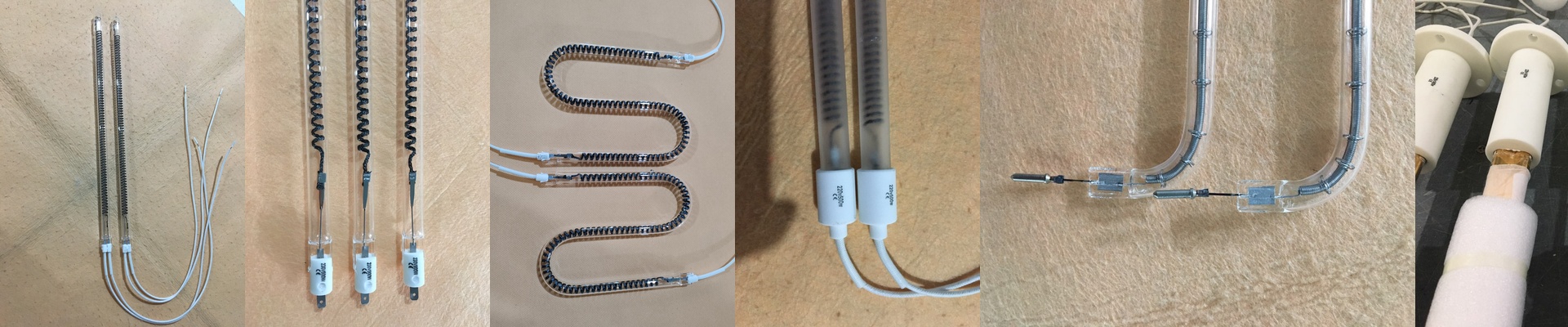
If you’ve ever worked on a smartwatch, you know the struggle. You need just enough heat to soften the glue, but if you overdo it for even a second, you’ve fried the OLED screen or killed a sensor. It’s a nerve-wracking balance. That’s why we’re so picky about the glass in our heating lamps. We use 99.99% pure quartz. Now, that might sound like a marketing number, but it’s actually the difference between a tool that works and one that just gets in your way. Here’s the thing about standard glass. Cheap quartz is full of tiny bits of aluminum and iron. You can’t see them, but the infrared (IR) energy can. Instead of passing through the glass to hit the watch, the energy gets trapped. The glass tube starts glowing white-hot, while the device you’re actually trying to fix stays cold. It’s a waste of power and a waste of your time. When you jump up to 99.99% purity, the glass basically disappears. The IR energy shoots straight through. You get a direct hit on the target, meaning the lamp hits the right temperature faster and keeps the heat exactly where it needs to be. But it’s not just about the heat. It’s about how long the lamp lasts. Think of impurities like little cracks or “weak spots” in the glass. Every time you flick the lamp on and off for a quick repair, those spots expand and contract at different speeds. Eventually? They snap. We’ve seen it happen a hundred times. High-purity quartz handles that stress much better because the material is consistent. Yeah, these tubes cost a bit more when you first buy them, but they don’t burn out nearly as fast when you’re pushing them in a busy shop. One quick warning, though. These high-purity lamps are a bit more sensitive. A single fingerprint or a smudge of oil on the surface can create a “hot spot.” Once that happens, the heat concentrates in one tiny area and can crack the tube. So, do yourself a favor:**always wear gloves.**It feels like a chore, but it’s the only way to make sure you’re actually getting the performance you paid for.