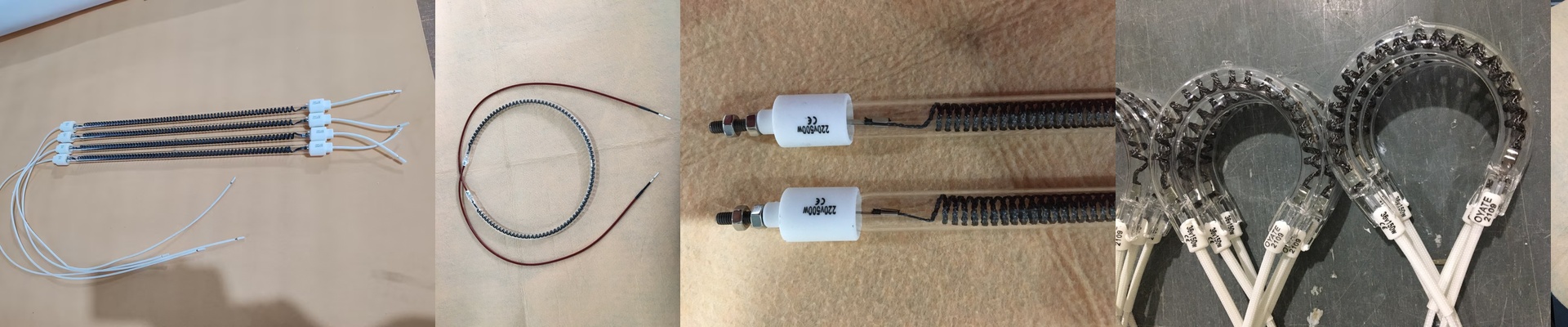
Getting Your Heat Right in Electronics 4.0
Heating isn’t just about hitting a number on a screen. It’s about how you stay there. If you’re working in a modern electronics setup, you know the struggle. A cheap heater just kicks on and off like a light switch. But that creates a roller coaster of temperature swings. Real precision is all about smoothing out that energy curve so you don’t overshoot your mark.
How the Control Actually Works
We’ve moved past the old-school thermostat. Now, we use PID algorithms. I know that sounds like textbook talk, but here is what it actually does: it constantly checks the gap between where you are and where you want to be, then tweaks the power in real-time. Instead of a hard “on/off” snap, you get a steady, modulated stream of power. It saves your PCBs. It saves your adhesives. No more “thermal swings” ruining a batch of boards because the heater decided to overcompensate. One tip: watch your sampling rates. If your sensor is sluggish, your heater is flying blind and will likely overshoot. That’s why we stick with high-grade thermocouples or PT100 sensors. You need that feedback to be instant.
The Hardware Trade-offs
When you’re wiring this up, you have to think about your power footprint. We always go with SSRs (Solid State Relays). Why? Because PID loops switch on and off incredibly fast. If you try to use a mechanical relay, it’ll be chewed up and burnt out in a few weeks. But there’s a catch. All that high-frequency switching can create electrical noise. If you aren’t careful, that noise leaks into your production line and starts messing with your PLC logic or testing gear. The fix is simple: use shielded cabling and get your grounding right. Don’t skip this part.
Real-World Use
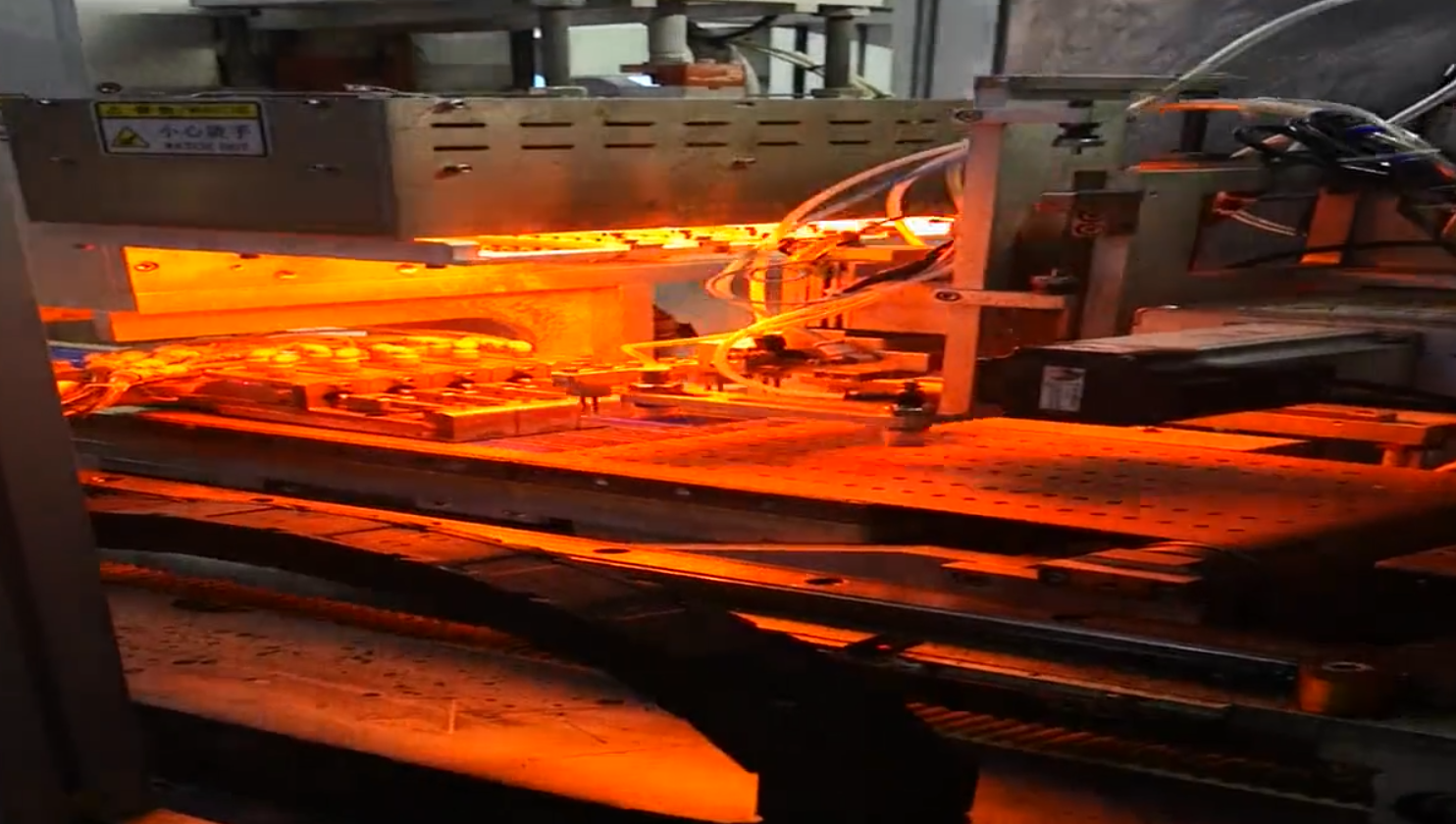
On the shop floor, this is a lifesaver for reflow zones and curing ovens. When you’re working with lead-free solder, the margin for error is tiny. A 5-degree slip is the difference between a perfect joint and a scorched board. The best part? We design these systems to be drop-in replacements. You can rip out the old analog gear and plug this in without having to rebuild your entire chassis. You get the repeatability of digital control without the headache of a total teardown.