Let’s Talk About Infrared Carbon Heaters
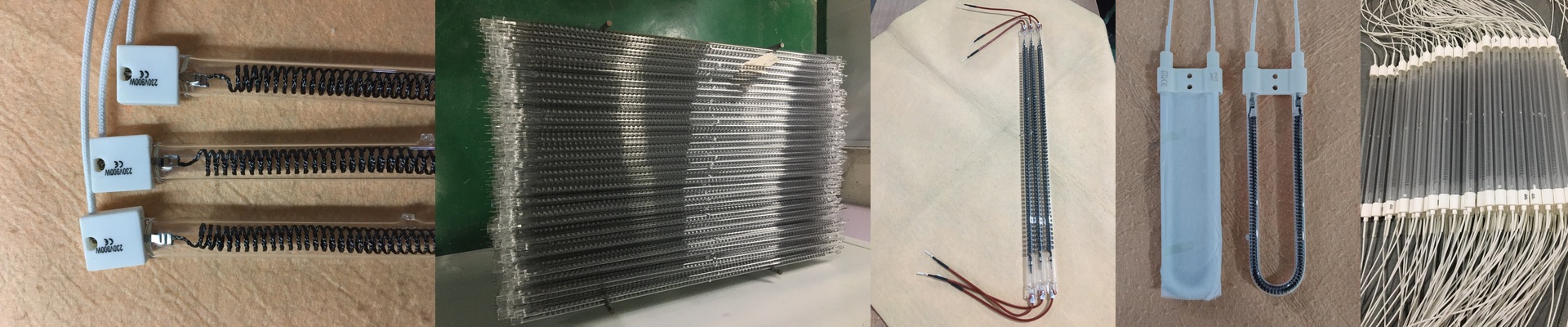
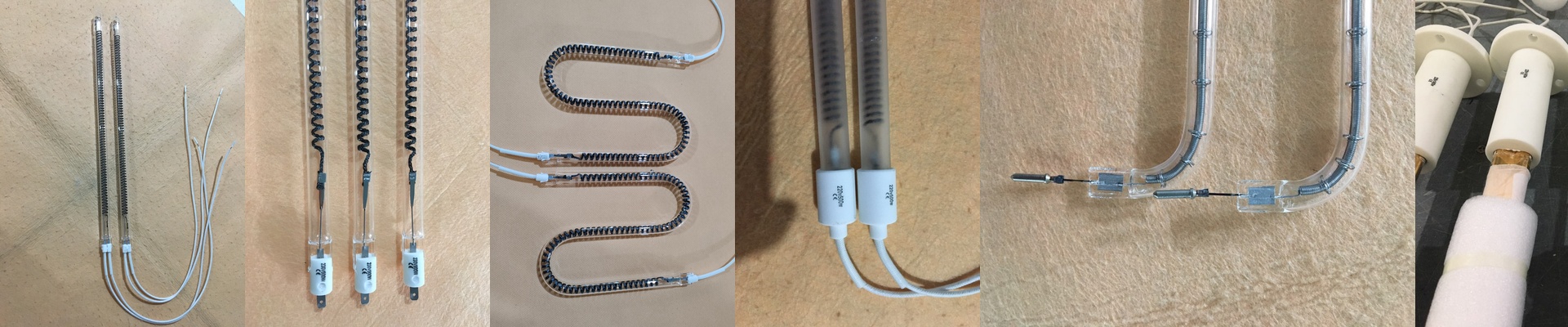
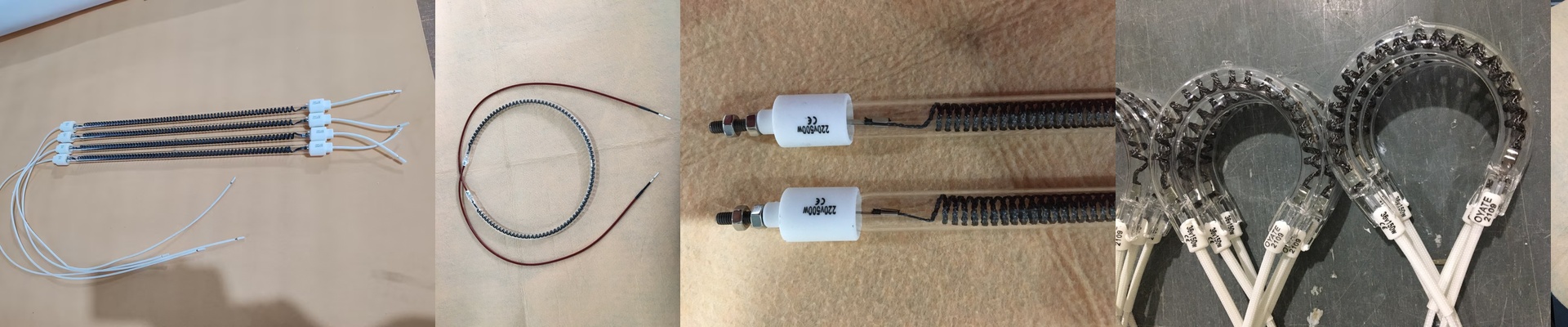
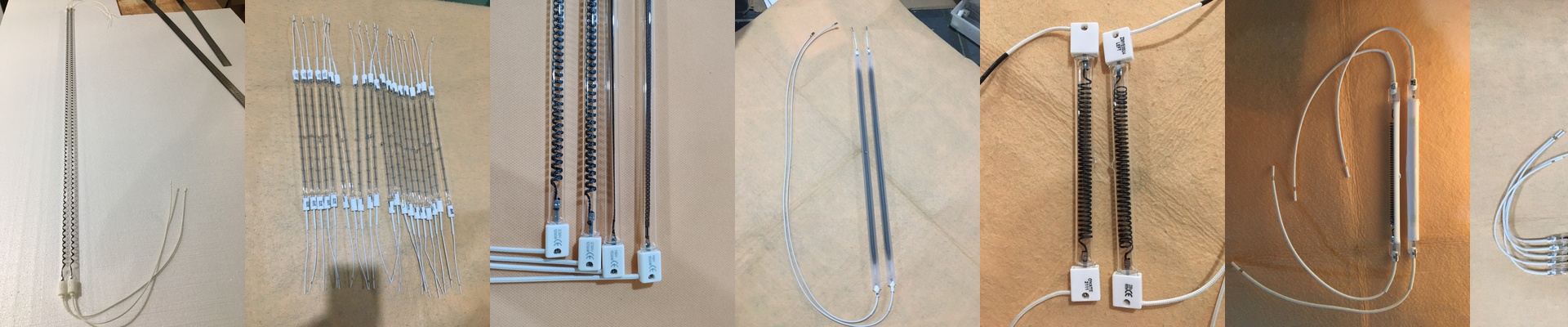
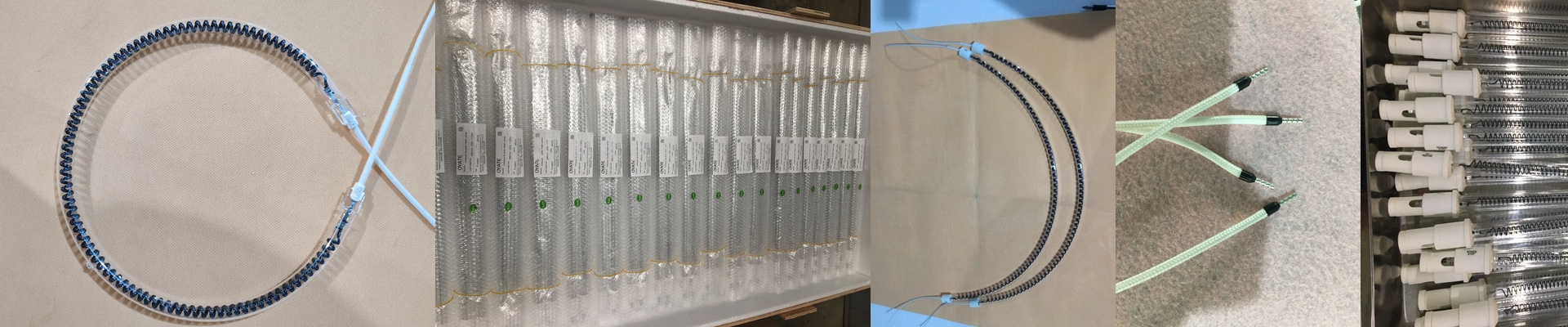
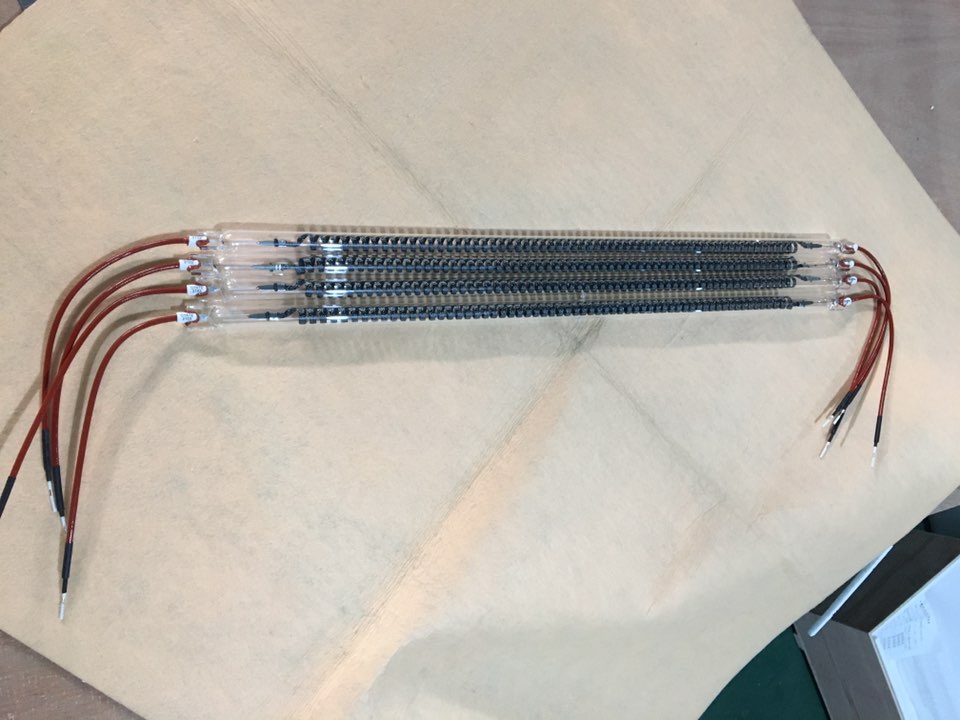
Basically, these heaters use a carbon fiber element tucked inside a quartz tube to blast out high-intensity heat. They’re perfect for those moments when you can’t afford to wait around for things to warm up and you need the heat exactly where you point it.
Getting the Power Right
Here’s the thing: the magic happens in the wattage-to-length ratio. If we pack a ton of wattage into a short tube, you get an incredible amount of heat density. It’s what makes things like PET blowing or plastic welding actually work fast. But you’ve got to be careful with your power supply. If you plug a 230V tube into a 400V line, it’ll pop almost instantly. On the flip side, if you under-power it, you’ll end up with cold spots and a cycle time that drags on forever.Check your voltages twice.
The Build and the Connections
We use quartz glass because it lets that shortwave infrared radiation slide right through without losing its punch. If your shop is particularly messy or you need to tweak the heat spectrum, we can do coated versions to keep the debris off and the heat dialed in. Now, the wiring is where people usually mess up. We stick with R7s or Sk15 connectors to keep things tight. Why? Because a loose connection isn’t just annoying—it creates a hot spot. That’s how you end up with a melted socket or a nasty arc-over. I always suggest using high-temp wiring so the insulation doesn’t melt the second the lamp gets hot.
Making it Work in Your Machine
If you’re still running old halogen systems, these are an easy swap. They just convert energy better. You’ll notice it immediately—the second your PID controller kicks in, the heat is there. Just a heads-up: because these tubes put out so much heat in such a small space, your chassis is going to feel it. Make sure your cooling fans are up to the task. If the airflow gets blocked, the quartz can overheat and crack. And nobody wants to deal with a shattered tube in the middle of a shift.