Getting the Heat Right for Smart Grid PCB Repairs
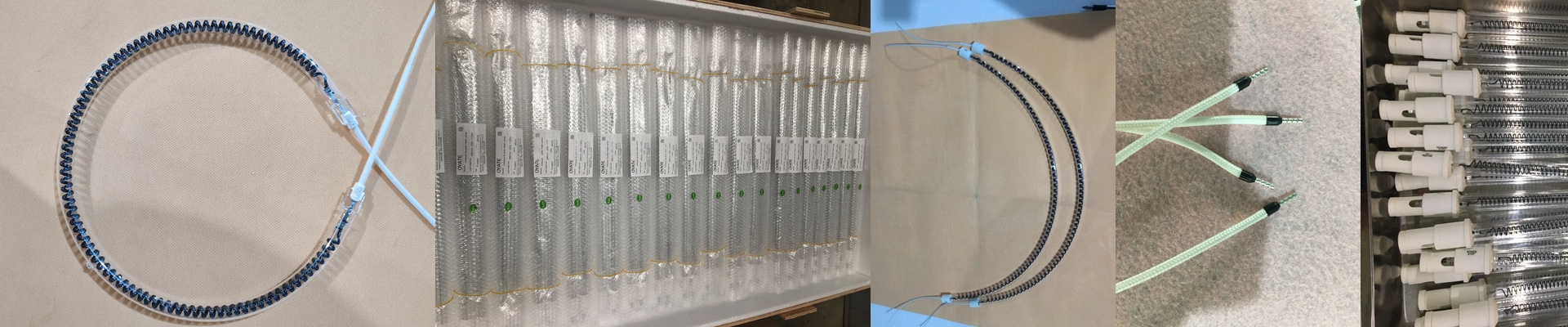
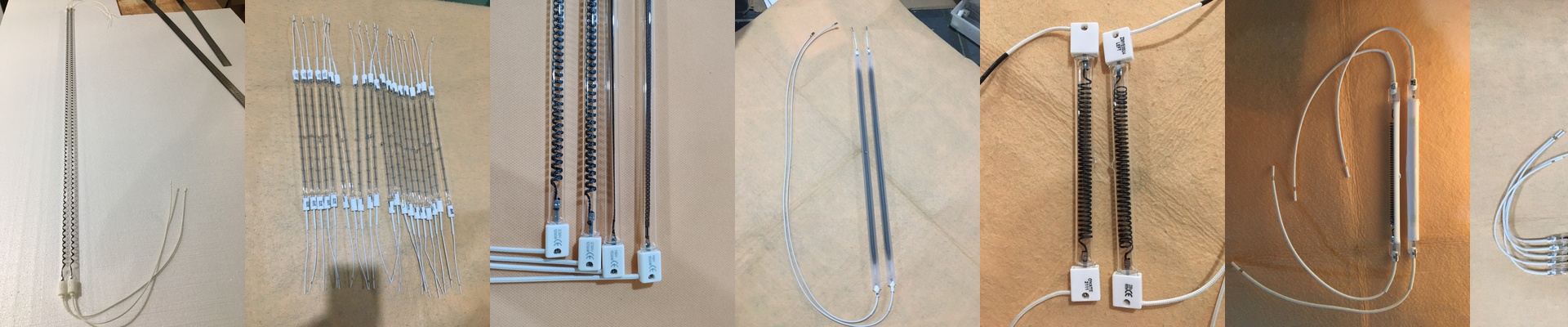
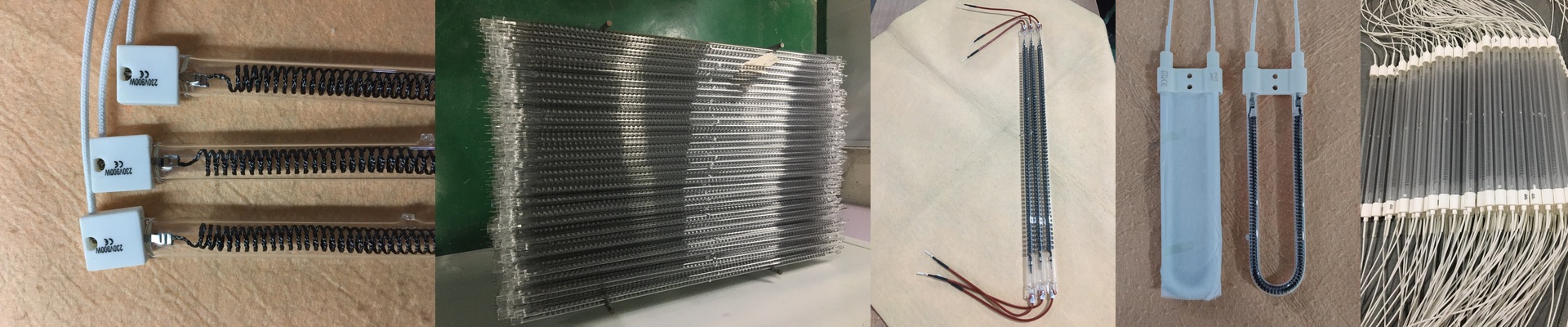
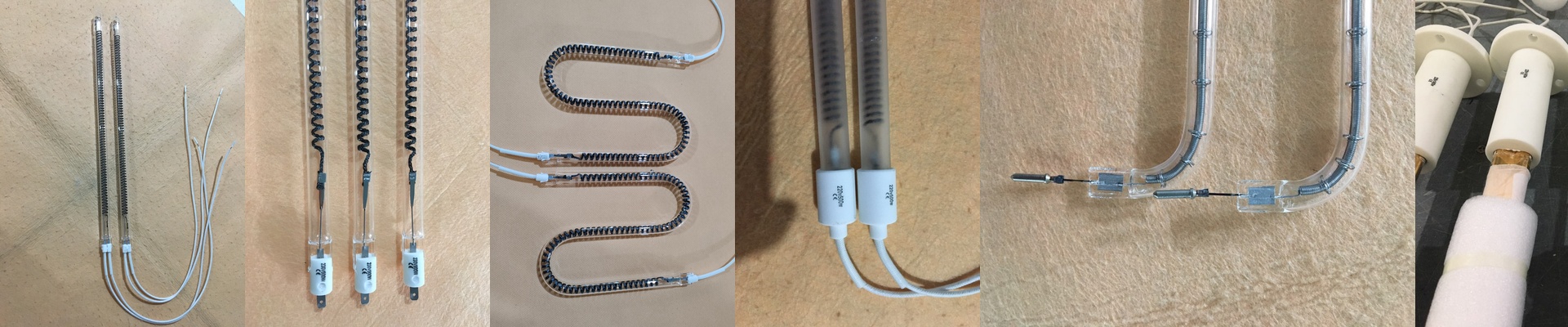
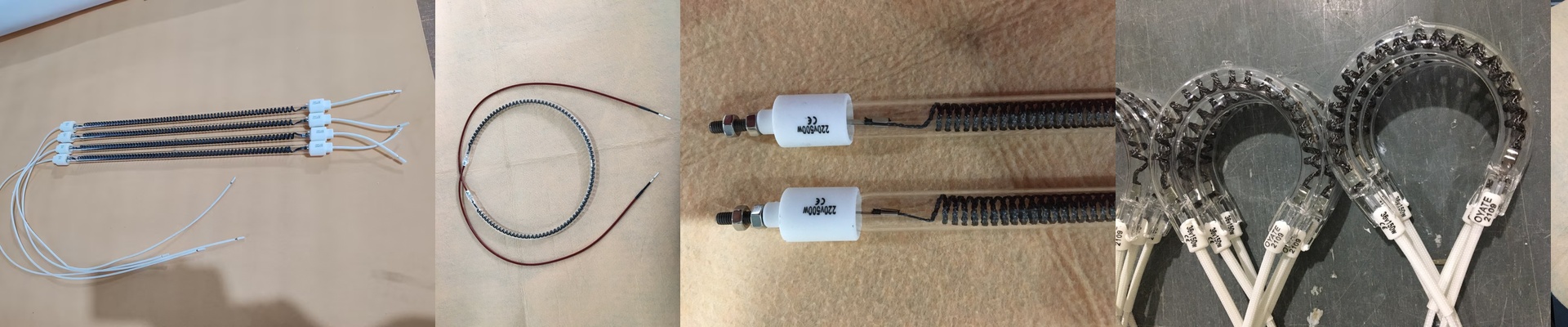
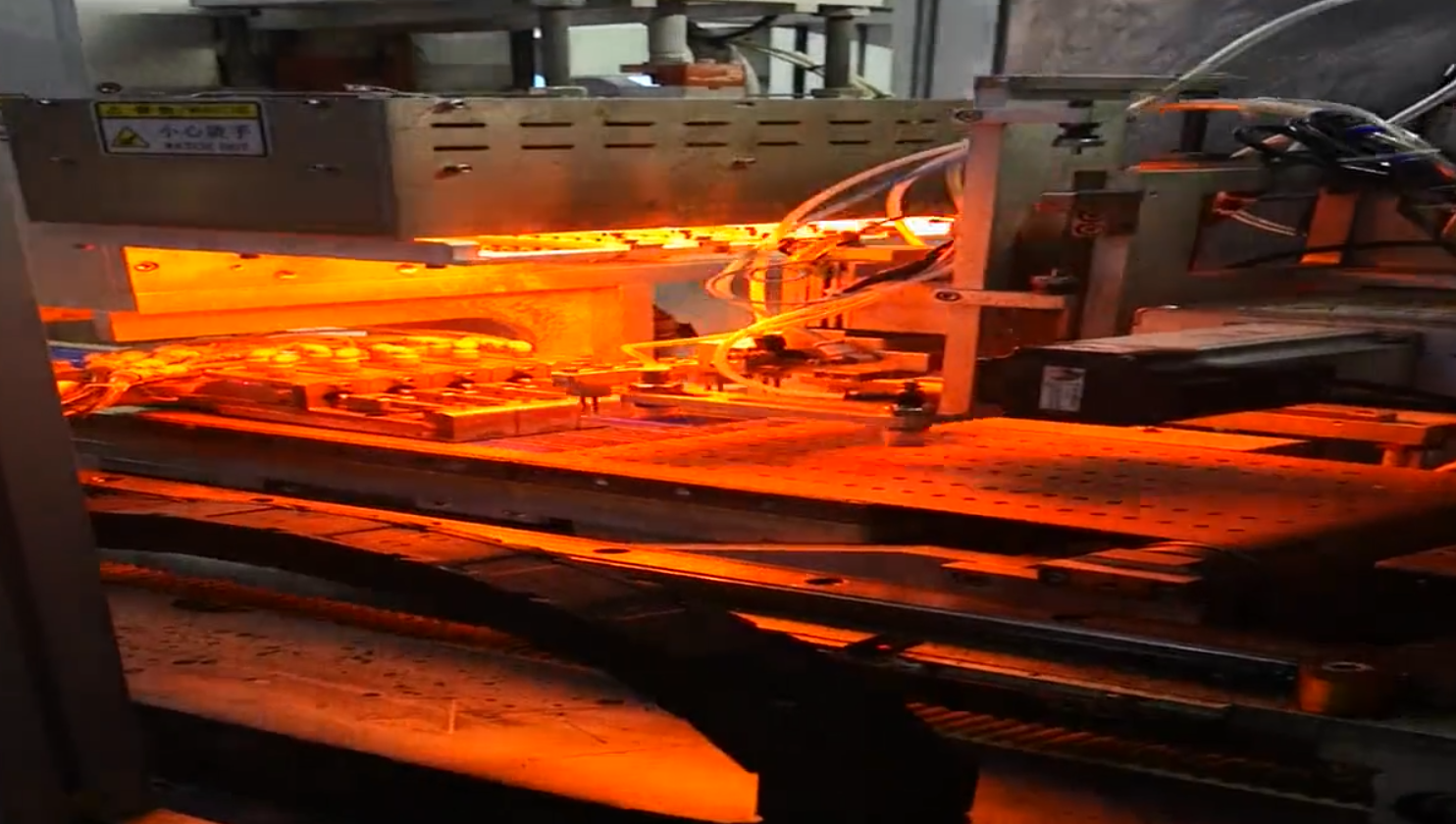
Repairing smart grid gear is all about hitting that “Goldilocks” zone with your heat. If you go too hot? You’ve just fried your logic gates. If you don’t hit it hard enough? The solder won’t budge, and you’ll end up ripping a pad right off the board. It’s a nightmare. That’s why we build our IR heaters to hit a very specific spectral peak. The goal is to get the heat right through the solder mask without baking the rest of the board. Dealing with Power and Heat We pick our heating elements based on how much “meat” is on the board. For those massive power modules, we use high-wattage quartz tubes because you need that heat to ramp up fast. But here’s the catch: if you cram too much wattage into a tiny space, you get hot spots. And hot spots lead to warped PCBs. You have to balance the voltage and wattage just right so the heat spreads evenly. Otherwise, you’re just making a mess. The Secret is in the Quartz We use high-purity quartz envelopes to make sure the IR light actually gets through. Depending on what you’re fixing, we add specific coatings to the tubes. This shifts the emission from shortwave to medium-wave IR. In plain English? It means the heat targets the solder joints and ignores the plastic bits around them. We also stick to standard connectors like R7s or Sk15. Why? Because when a lamp eventually burns out, you can just swap it in and get back to work. No one wants their station down for days waiting on a proprietary part. Setting Up Your Shop If you’re wiring these into a repair station, don’t skimp on the power supply. These lamps pull a lot of current. If your wiring gauge is too thin, you’ll deal with voltage drops, and your heat will be inconsistent. One last thing: these lamps gethot. Really hot. Not just the board, but the air around the station. Make sure you’ve got some decent ventilation going, or your control electronics are going to overheat while the lamp is running full tilt.