Stop Just Replacing Your Heating Elements
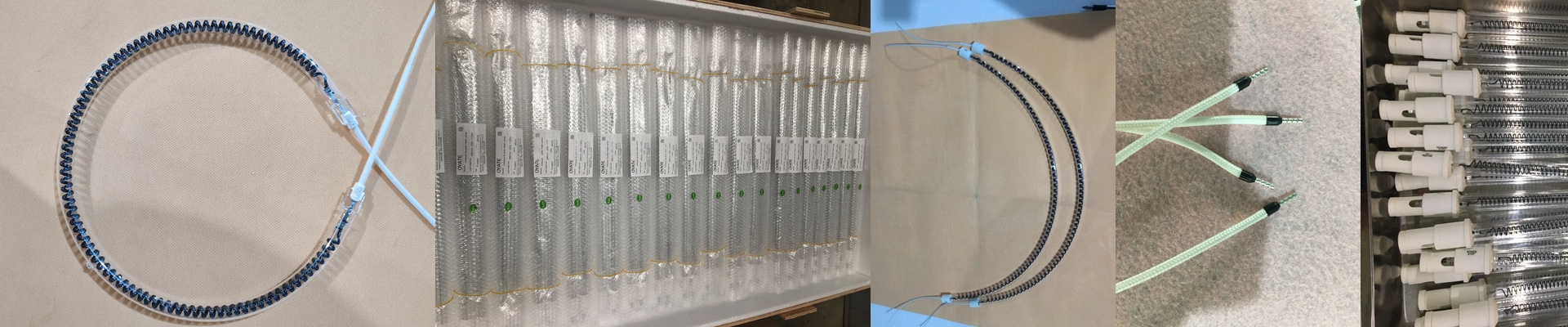
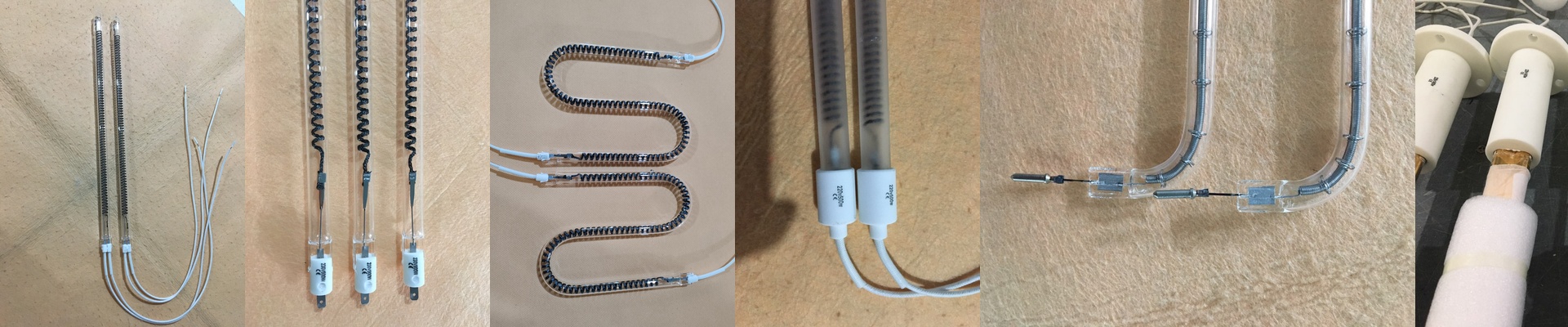
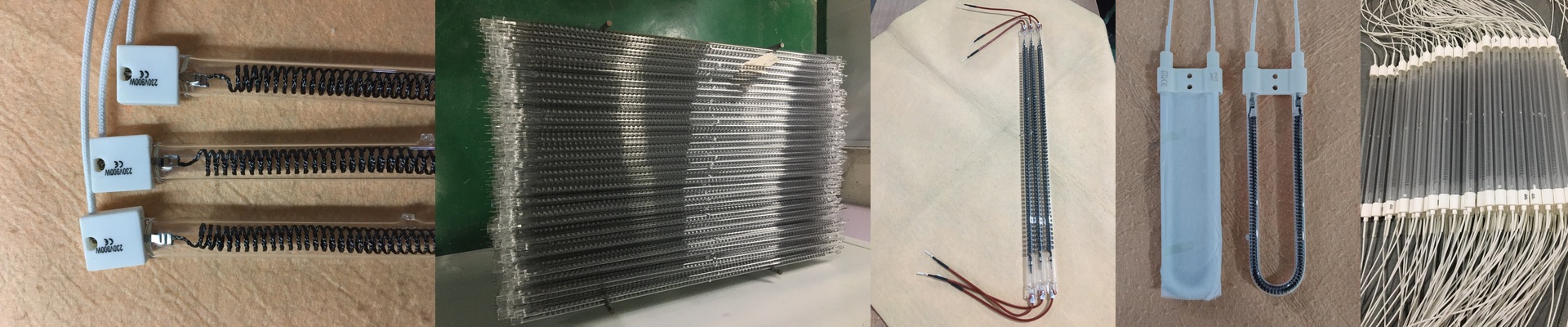
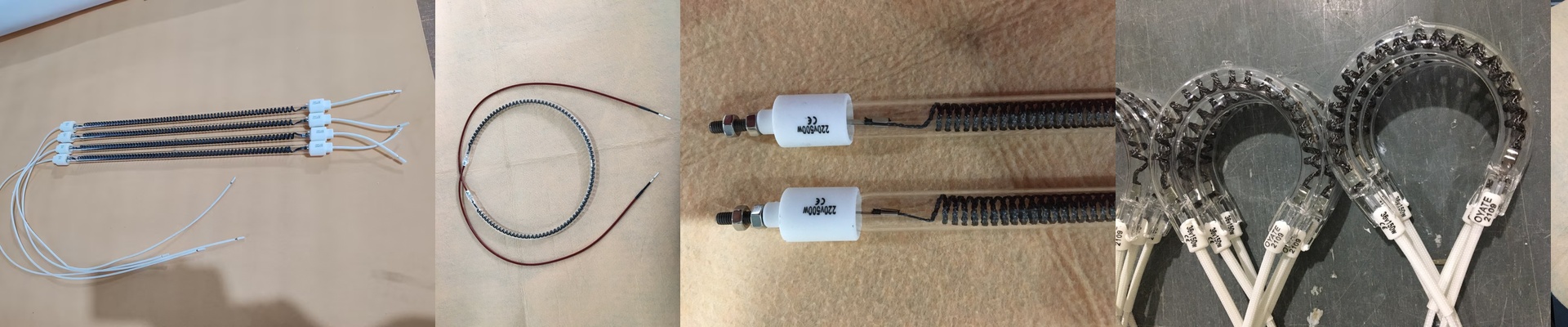
Most shops treat heating elements like lightbulbs. One burns out, you toss it and pop in a new one. Simple, right? But here’s the thing: that’s a mistake. In our world, a lamp isn’t just a part. It’s one piece of a much bigger puzzle. We don’t just sell you a tube and wish you luck; we look at the whole picture to make sure the heat you’re putting out actually matches what your materials can handle.
Getting the Physics Right
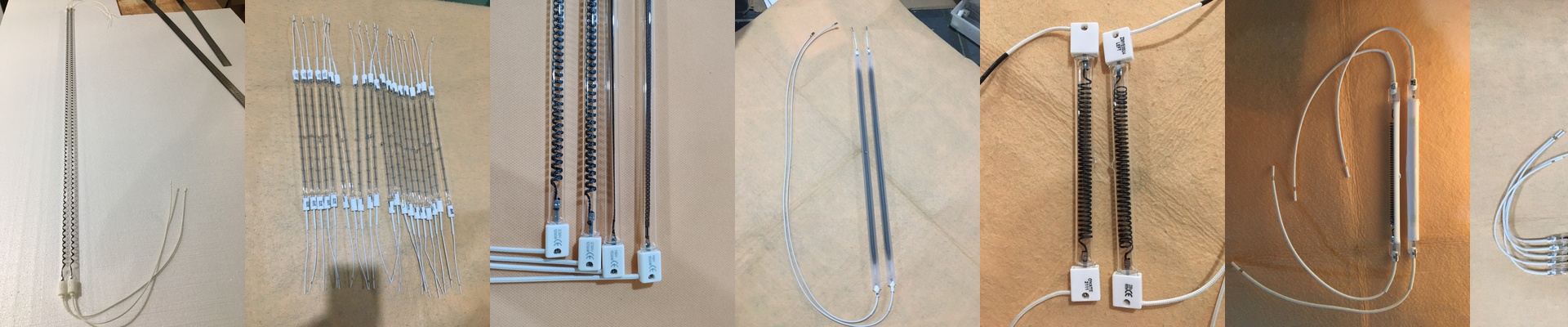
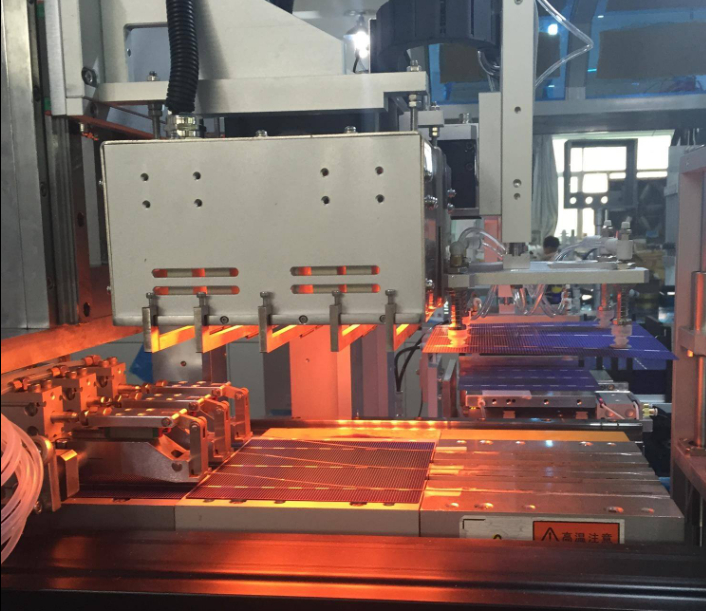
Heating electronics isn’t about cranking up the power and hoping for the best. It’s about the wavelength. Think of it this way: some heat needs to soak deep into the material, while other jobs just need a quick surface cure. If the gap between your emitter and your workpiece is off, you’re going to end up with cold spots or, even worse, scorched boards. We look at how fast you need to hit your target temperature. That tells us if you need a halogen-filled quartz tube or a specific coating to shift how the heat hits the surface.
The Nitty-Gritty of Hardware
Then there’s the hardware. Whether you’re using R7s or Sk15 connectors, it changes how often you’ll be doing maintenance. A replacement should just fit. You shouldn’t have to fight the wiring or force a part into a footprint where it doesn’t belong. But you also have to watch the electrical load. High-wattage tubes get the job done fast, but they’re hungry. If you push for max output without checking your fans and ventilation, the ambient heat builds up. And that’s usually when your filaments start failing way too early.
Making the Process Actually Work
We’re not in the business of just shipping boxes. We want to help you tweak the process. It’s a balancing act. You want it fast, but you can’t stress out your sensitive components. When you treat your infrared source as a tool you can tune—rather than just a static accessory—everything changes. You stop wasting material, you cut down your cycle times, and you stop dealing with the headache of scrap rates.