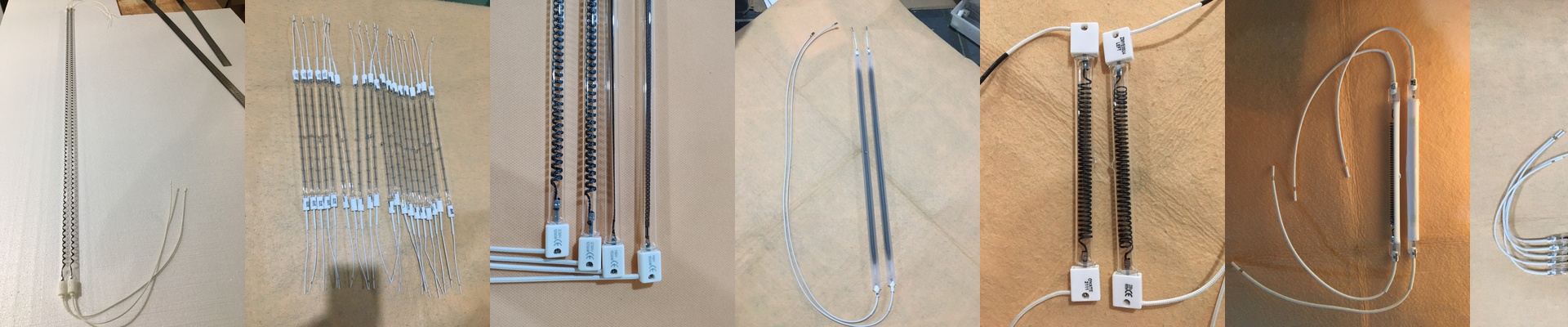
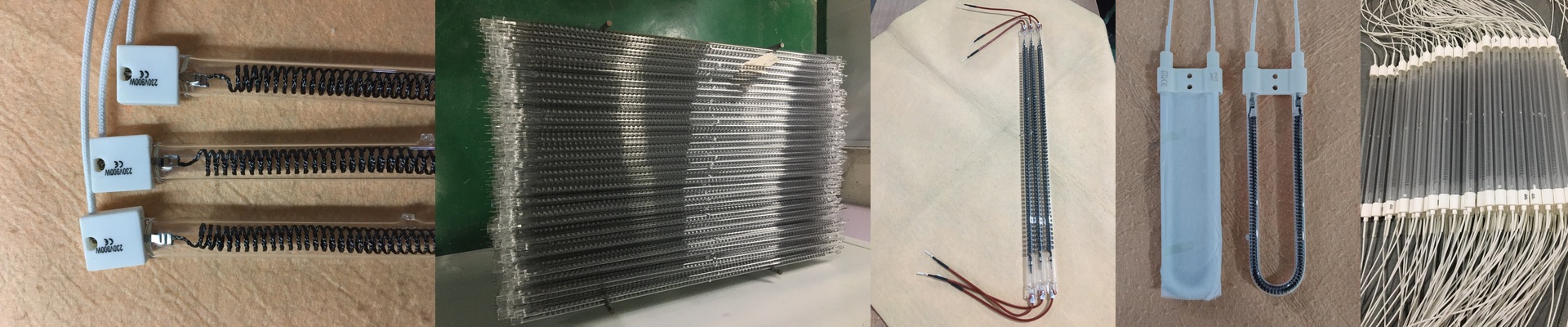
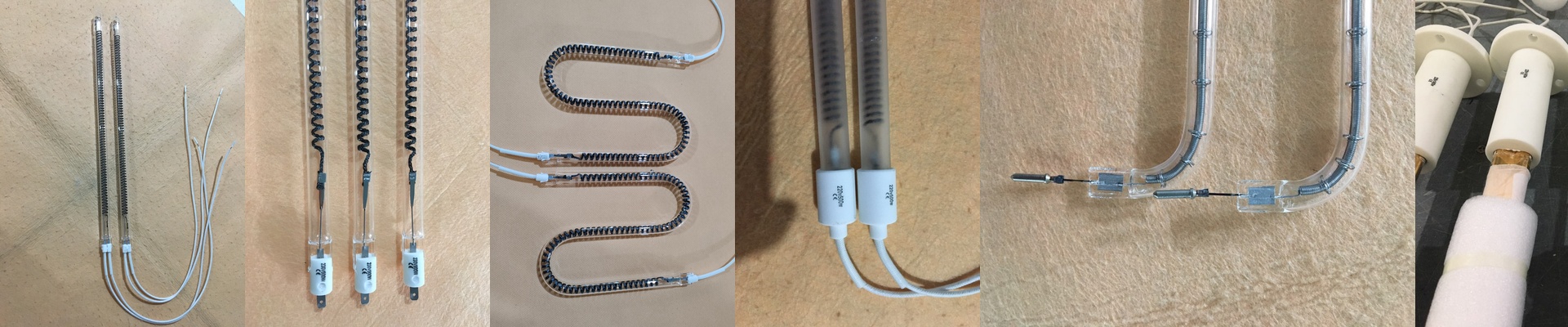
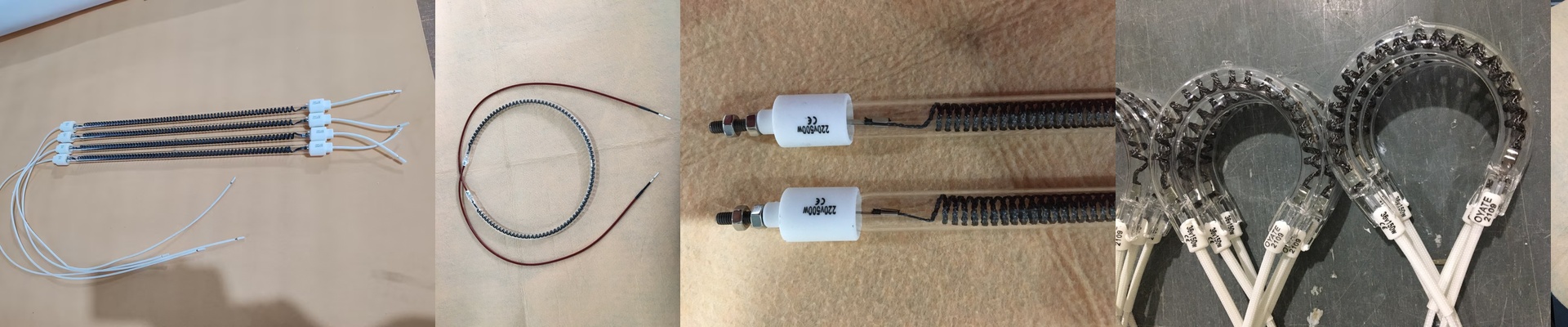
Stop Your IR Filaments From Sagging and Snapping
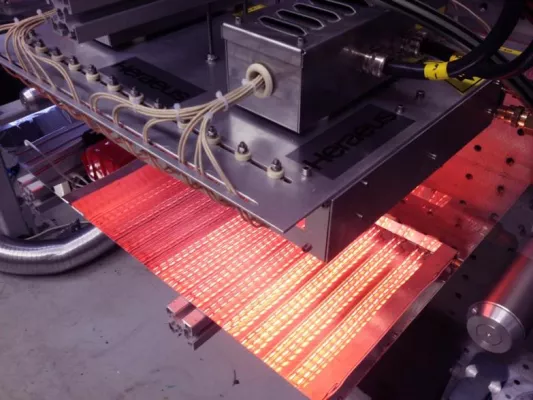
If you’re working in sustainable electronics, you probably rely on rapid pulse heating to cure adhesives or solder parts without frying the rest of the board. It’s a great system, but it puts a hell of a lot of stress on your equipment. Think about it: your infrared lamps are clicking on and off tens of thousands of times. Every time they hit full power, the filament expands. When they cut out, it shrinks. Do that 50,000 times, and your filament is going to sag or just snap. It’s basically thermal shock on a loop.
Keeping Things Steady
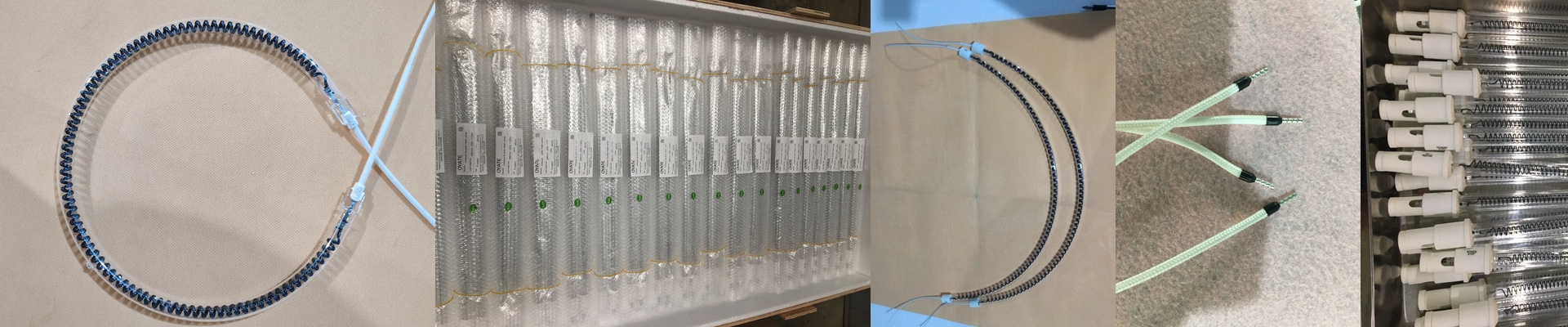
The secret to stopping this is all in the support system. You’ve got these support wires holding the tungsten coil in place, but they have to play nice with the quartz envelope. If the materials don’t expand at the same rate, the filament shifts. That’s where the real trouble starts. A shifted filament creates hot spots on the tube wall, and before you know it, the whole thing burns out. We use high-nickel alloy supports because they match those expansion rates perfectly. It keeps the coil centered where it belongs. To make sure it actually works, we put them through the ringer. We run 20,000 rapid-fire pulses and check the focal point. If it sags by even 0.5mm? It’s a fail.
The Balancing Act
Now, you might think, “Why not just add more supports to keep it totally rigid?” Here’s the thing: there’s a trade-off. If you pack in too many support points, you create mechanical stress during that first heat-up. You might find your filaments snapping within the first 100 hours of use. It’s a bit of a balancing act. You have to weigh the support density against how much your assembly line actually vibrates.
Getting the Wiring Right
Once you’ve got a stable lamp, you can’t just plug it in and hope for the best. Your power supply needs to be able to handle the inductive kickback. It doesn’t matter how sturdy your filament is if a voltage spike fries your connectors. Just make sure your controllers are tuned to the specific impedance of the tube. It’ll stop you from overshooting your target temperature and keep everything running smooth.