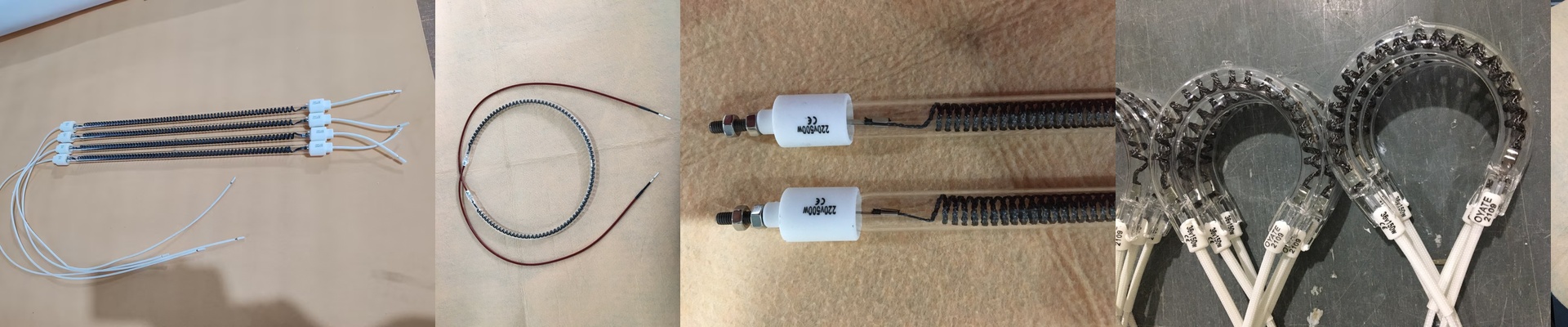
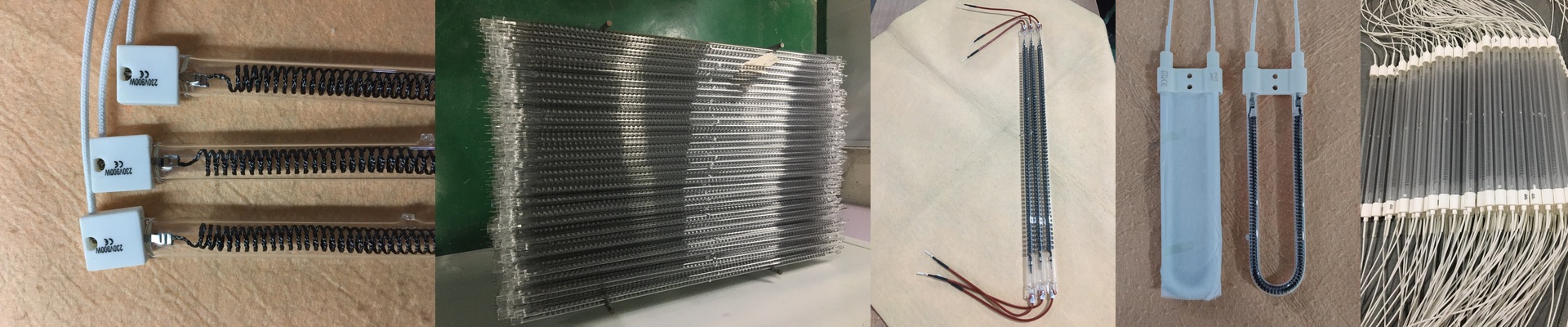
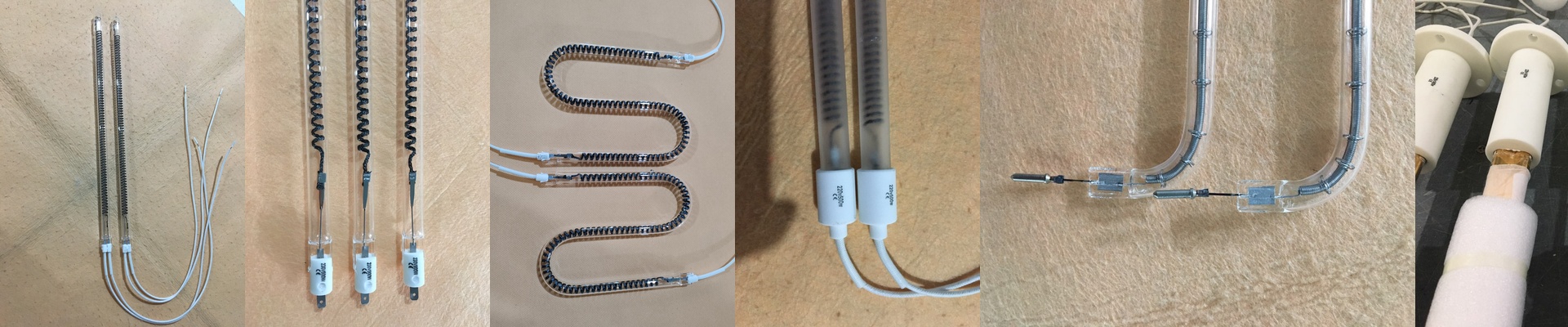
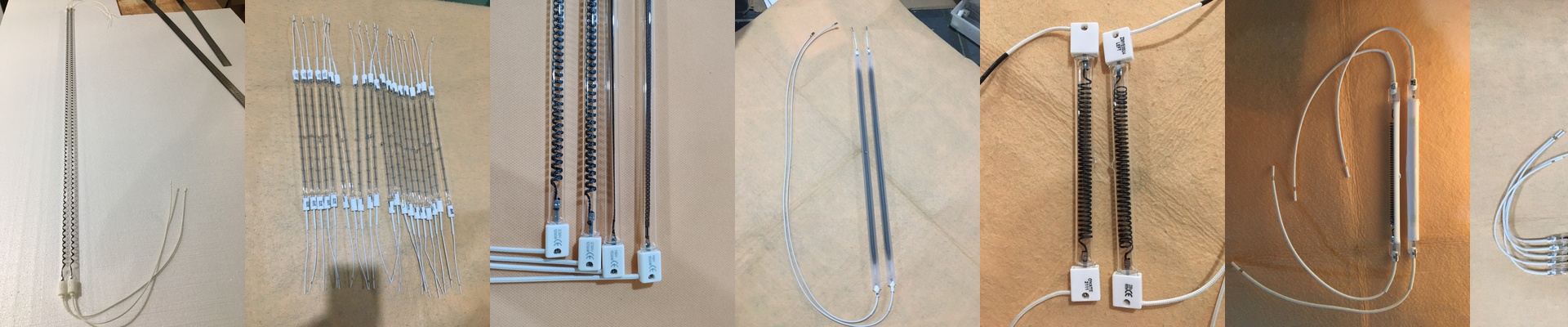
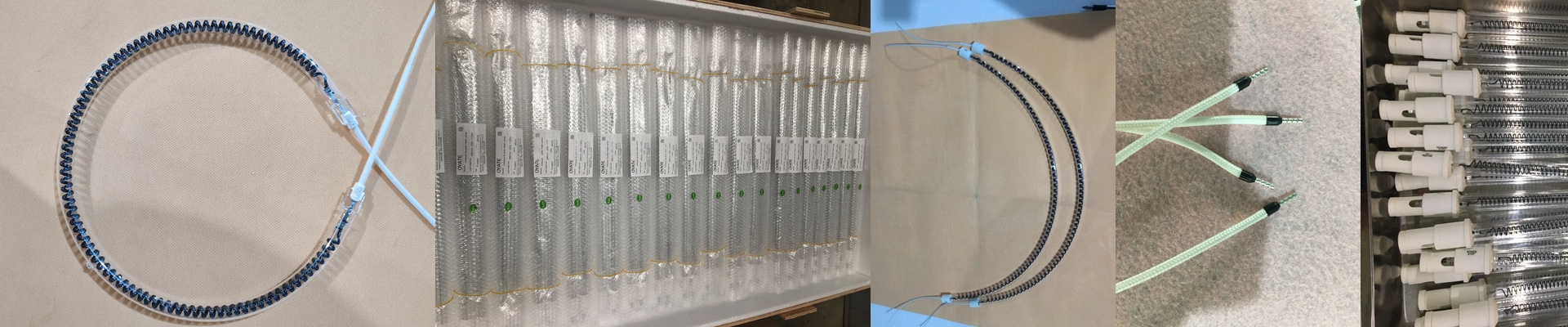
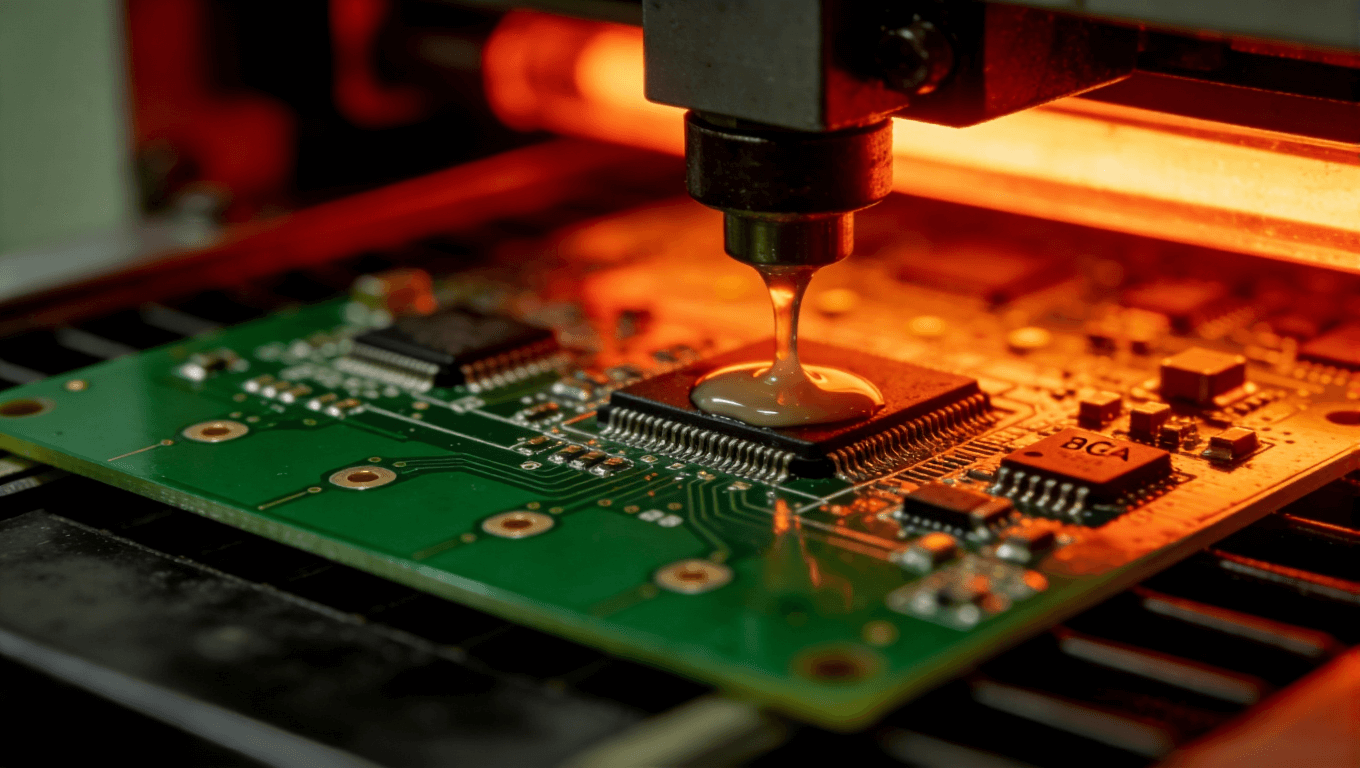
We’ve spent time in about 2,000 different SMT workshops, and we noticed something frustrating. There is a massive gap between the heat curves you see on a computer screen and what’s actually happening on your shop floor. Most of the time, when an IR lamp fails, it’s not just bad luck. It’s usually because the lamp’s output and the board’s thermal mass aren’t talking to each other. The reality of IR design When you’re setting up pre-heating and soldering zones, timing is everything. We lean toward short-wave IR emitters. Why? Because they punch through solder paste and components much faster. It helps stop “tombstoning” in its tracks. You want that heat to hit the joint before the flux just… vanishes. Now, we can spec these lamps to hit a specific heat-up rate. If you go with high-wattage density, you can shrink your footprint and shorten your conveyor line. Sounds great, right? But there’s a catch. Too much heat in one spot can fry those tiny 0201 components. You have to find that sweet spot between your wattage and conveyor speed, or you’ll end up scorching your FR-4 substrate. Picking materials that actually last We use high-purity quartz glass. It’s simple, but it keeps the lamps from burning out too early. In a real SMT environment, flux fumes get everywhere. They settle on the glass. To fight this, we offer coated quartz that bounces the heat back down toward the PCB, instead of letting it soak into the machine’s chassis. Then there are the connectors. These are usually where things go wrong. We stick to standard R7s or Sk15 bases so you can just swap them out without a headache. If a connection is loose, you get arcing. That’ll kill a lamp in a few weeks. Getting it running on the floor When you’re wiring these into your oven, you need a power supply that doesn’t jump around. Voltage spikes lead to flickering, and flickering leads to bad solder joints. We usually suggest dedicated controllers to keep the thermal profile steady. One last thing: if you’re pushing your lamps to their absolute limit, check your cooling fans. If the tunnel can’t breathe, the ambient heat will build up and cause problems.