Let’s talk about Carbon Infrared Quartz Heaters
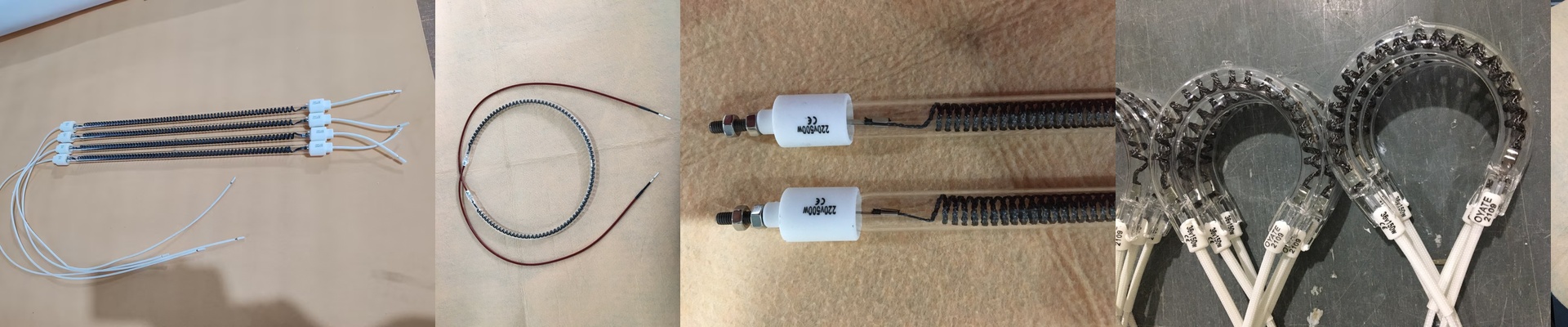
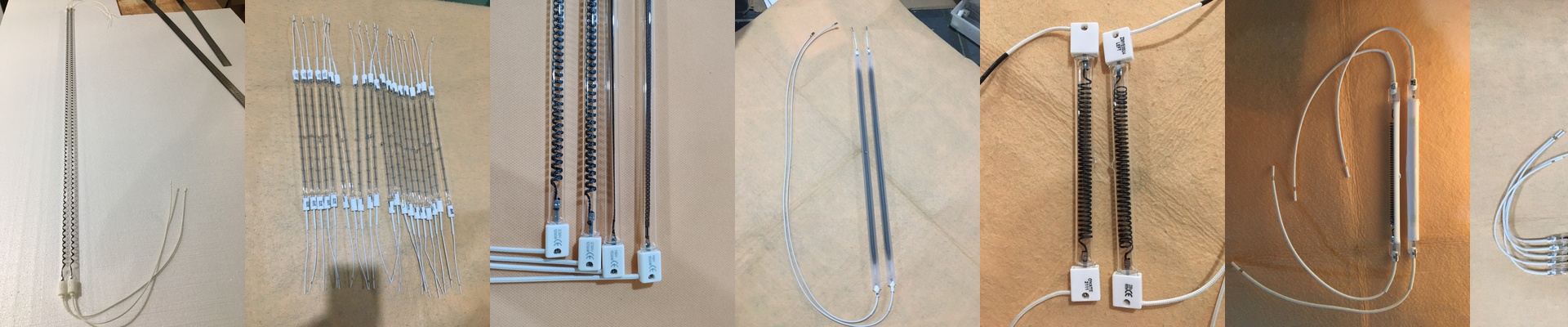
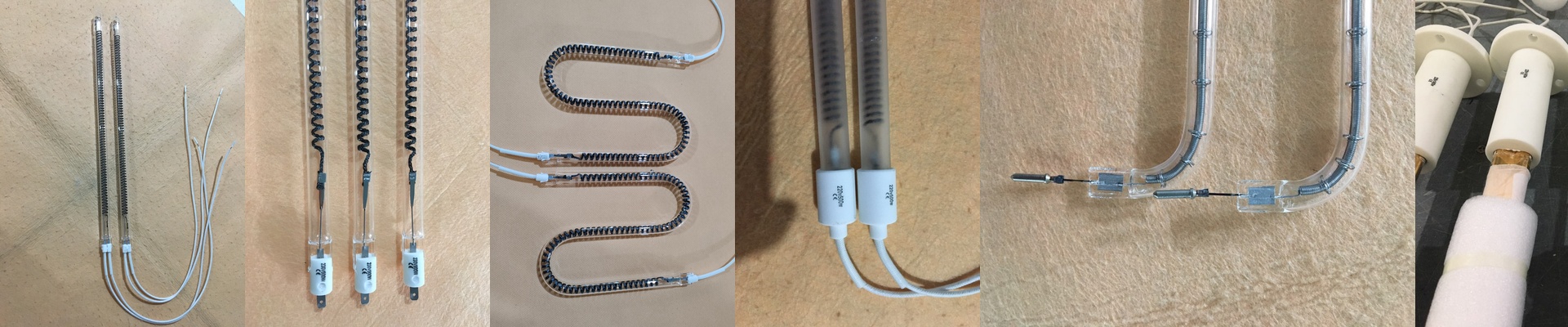
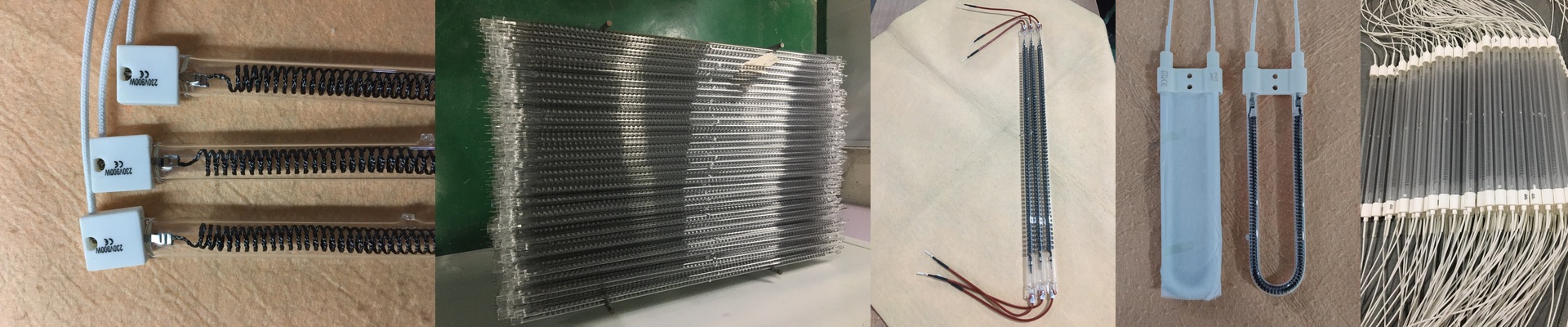
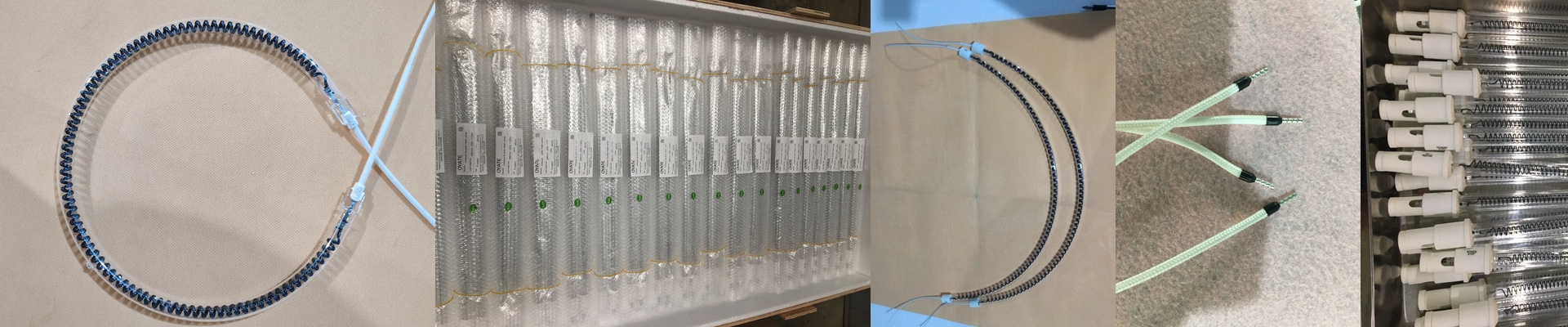
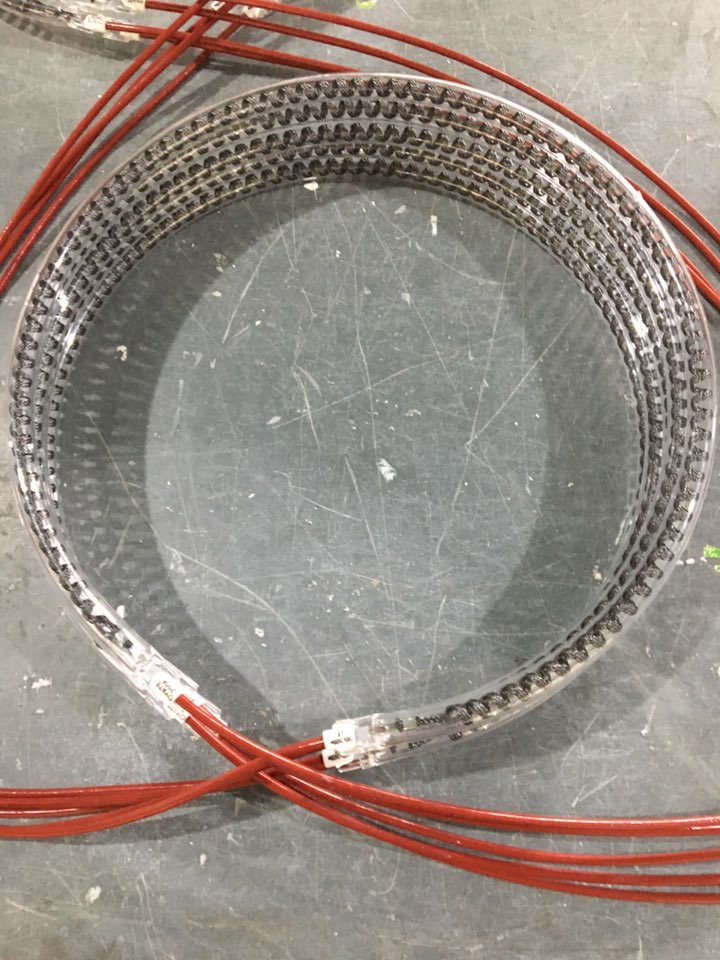
Here is the deal with these heaters: they use a carbon-fiber filament tucked inside a high-purity quartz tube. We build them for the kind of jobs where you can’t afford to wait around for things to warm up. You need heat, and you need it now. Unlike those old-school wire filaments, carbon emitters push out a broader spectrum of heat. In plain English? The heat actually sinks deeper into your material instead of just scorching the surface. Getting the power right We figure out the specs based on how much heat you actually need hitting the part. If you bump up the wattage or go with a 400V setup, you’re packing more heat into every millimeter of that tube. This is a lifesaver for high-speed lines where a part is only in the heating zone for a few seconds. But a word of warning: make sure your wiring and power supply can actually handle the draw. If you get a voltage drop, you’ll end up with uneven heating, and that’s a headache nobody wants. The build and the bits The quartz tube isn’t just for show—it keeps the carbon filament from oxidizing and burning out. Sometimes we add special coatings to the glass to tweak the wavelength or help it emit more heat. For the ends, we stick to standard connectors like R7s or Sk15. Why? Because it makes replacements a breeze. You can just pop a new one in without having to rewire your whole oven. Just double-check that your sockets fit snugly. If they’re loose, you might get some nasty arcing at the contact points. The real-world trade-offs You’ll see these everywhere—PET blowing, paint curing, plastic welding. They hit temperature almost instantly. It feels like flipping a light switch. But there’s a catch. Quartz is fragile. If your machinery vibrates too much or things aren’t lined up perfectly, those tubes will snap. Also, keep them clean. If oil or dust builds up on the glass, you’ll get hot spots, and the tube will burn out way sooner than it should.