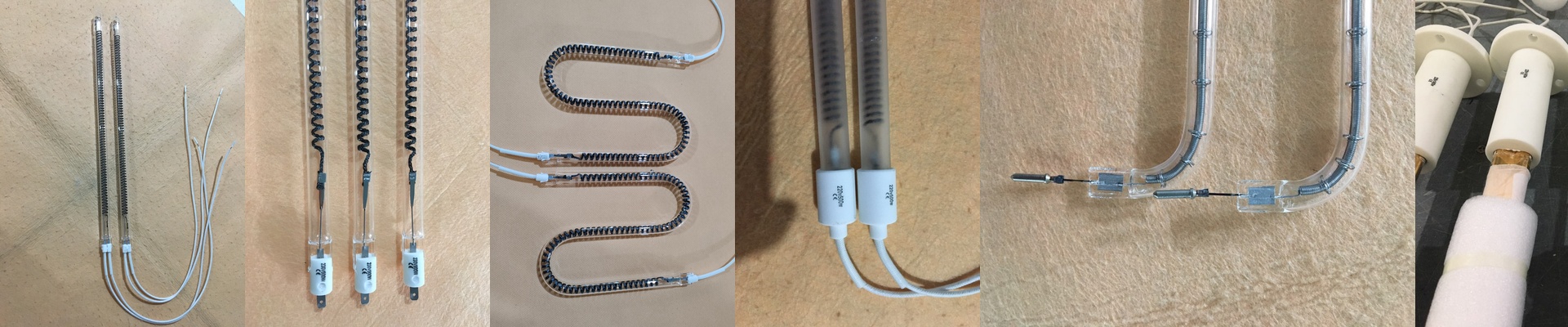
Let’s Talk About Carbon Fiber Infrared Heaters
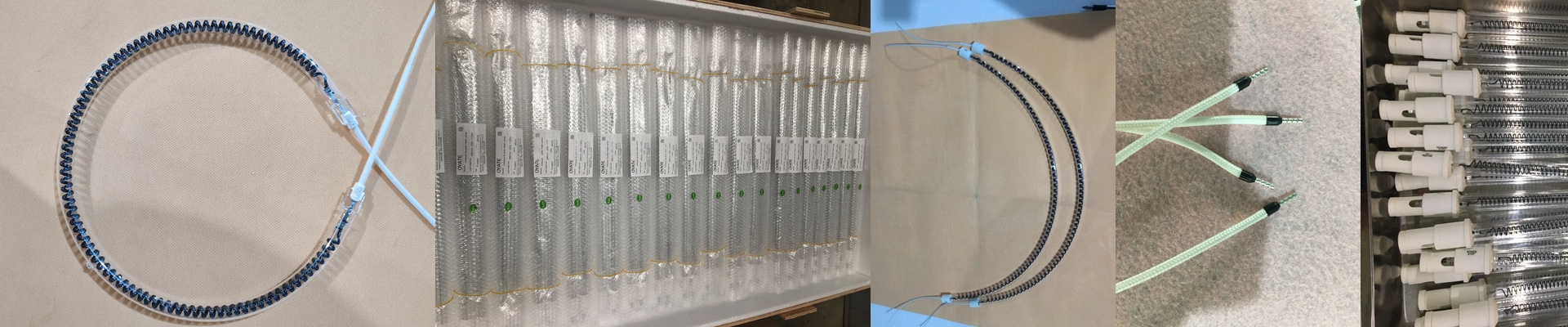
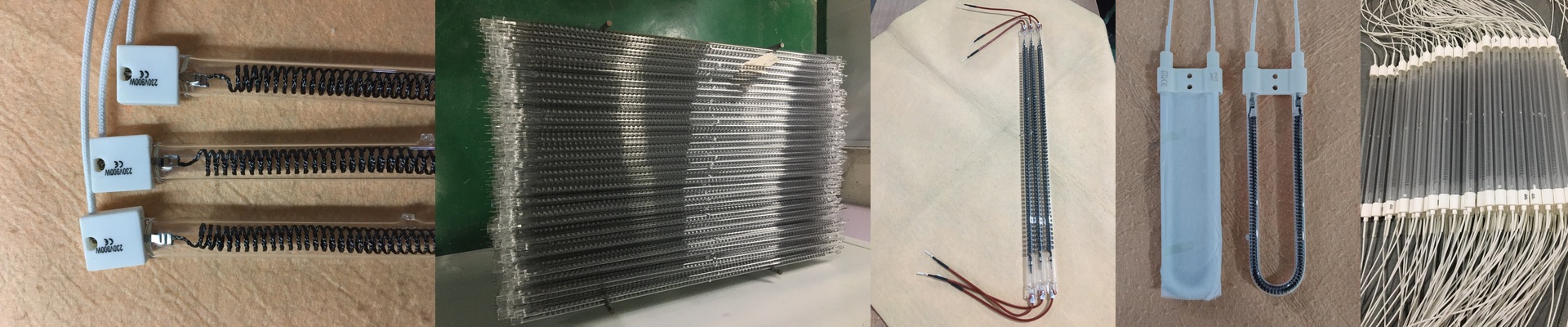
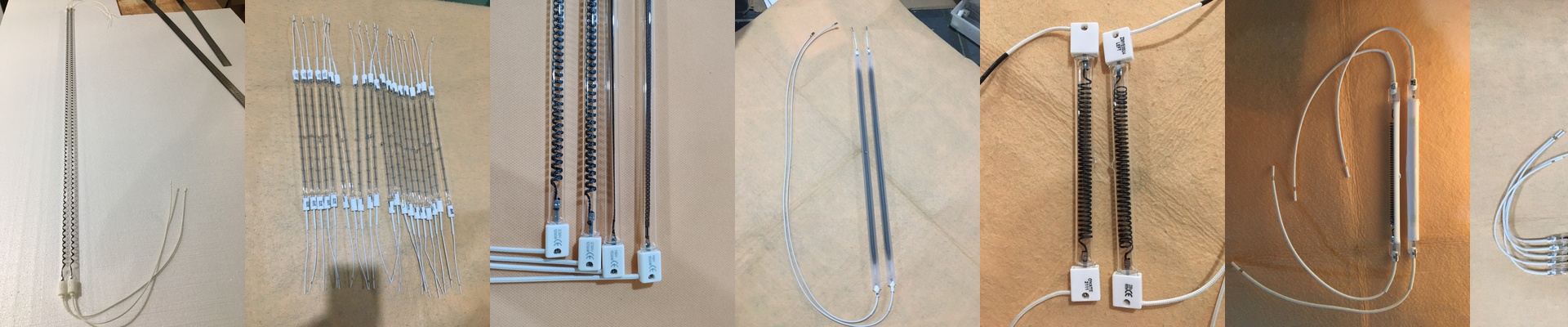
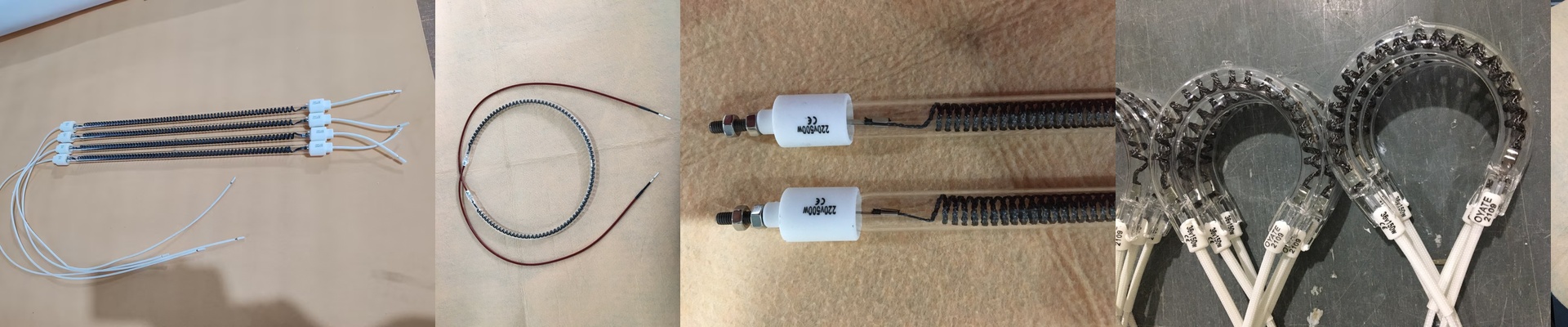
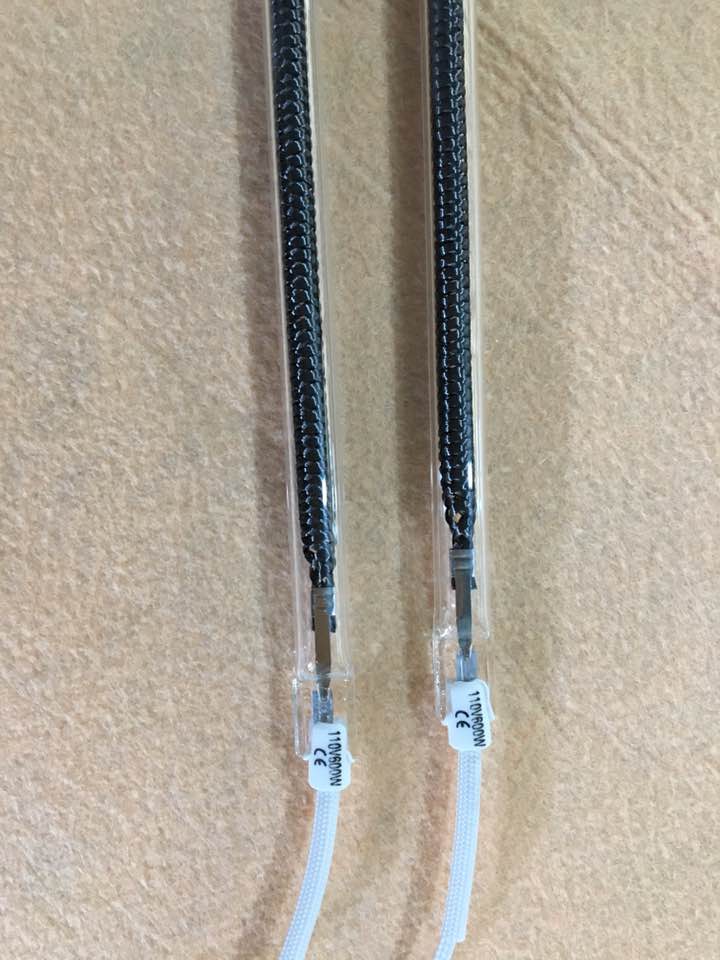
If you’re used to standard quartz halogen lamps, these carbon fiber bulbs are a different beast. Instead of the usual setup, we tuck a carbon fiber filament inside a quartz envelope. This creates short-wave radiation. In plain English? The heat doesn’t just float around the air—it punches straight into your materials. It’s a much deeper, more direct kind of heat.
Getting the Power Right
When you’re picking an element, keep a close eye on the wattage-to-length ratio. That’s what controls your heat flux. If you’re running a fast industrial line, you want high-wattage tubes. They ramp up almost instantly. But here is the catch: your power supply has to be a perfect match for the lamp’s voltage. If you plug a 230V element into a 200V line, you’re going to feel the dip in heat. On the flip side, if you over-volt it?**Pop.**You’ll fry the filament in a heartbeat.
The Nitty-Gritty: Glass and Plugs
The quartz glass isn’t just for show; it keeps the carbon fiber from oxidizing. Depending on what you’re heating, we can add specific coatings to the glass to tweak the wavelength or keep gunk and debris from ruining the surface. Then there’s the connection. We stick to standard bases like R7s or SK15 so everything fits snugly. Don’t ignore a loose fit. A shaky connection creates a hot spot, and before you know it, your socket is melted and you’re dealing with a failure you could have avoided.
Making it Work in Your Shop
The great thing is that these usually slide right into the spots where your old IR heaters lived. They react faster and don’t pull as much current when they first kick on. You get a smaller footprint, but the same amount of heat. But it’s not all magic. There are a few things to watch out for. Carbon fiber is a bit sensitive to shaking. If your machinery vibrates a lot, you’ll need dampened mounts. Otherwise, the filament might just snap. And one last tip: check your reflectors. Because the heat is so intense, those plates need to be polished like a mirror. If they’re oxidized or dull, you’re just wasting energy and ending up with cold spots on your workpiece.