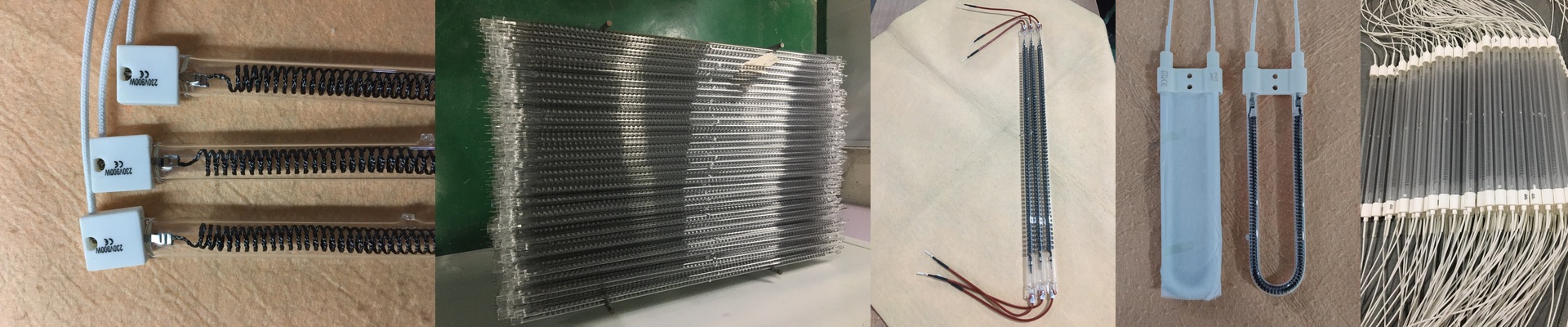
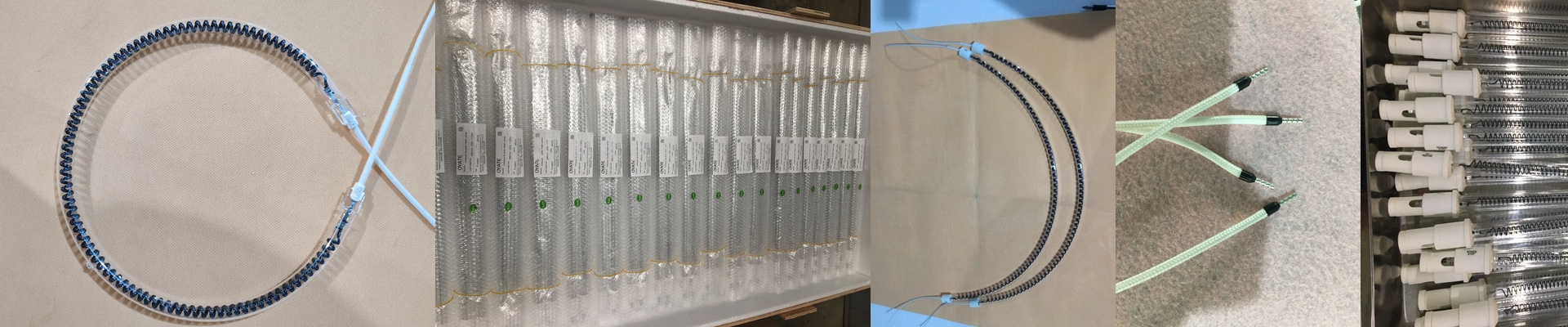
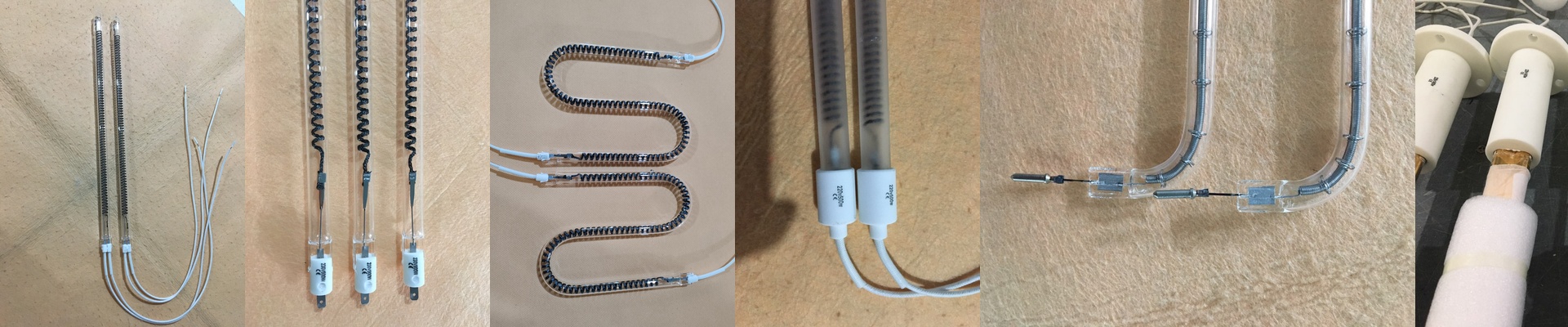
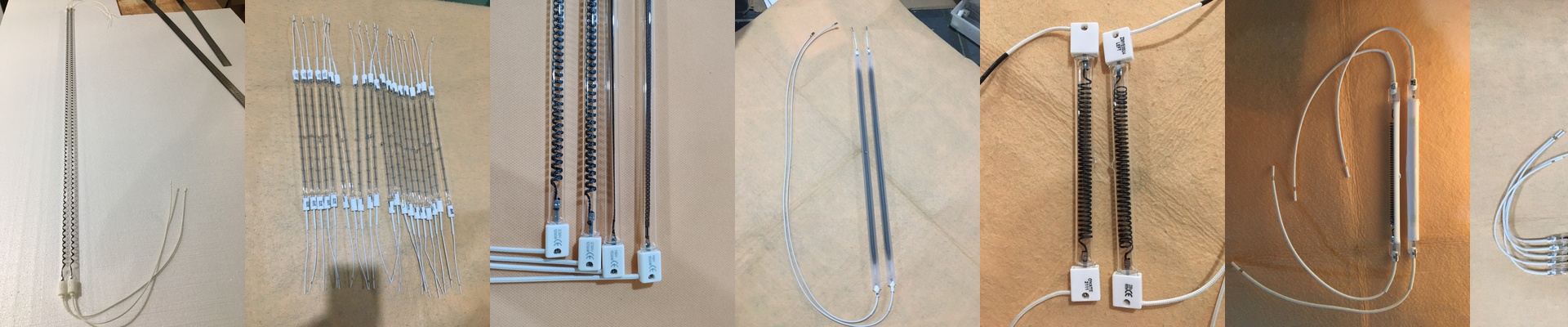
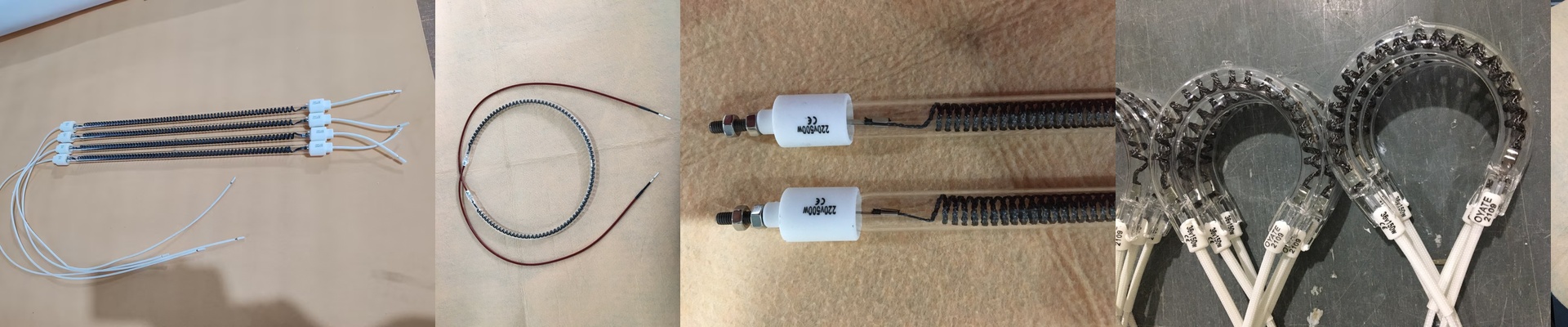
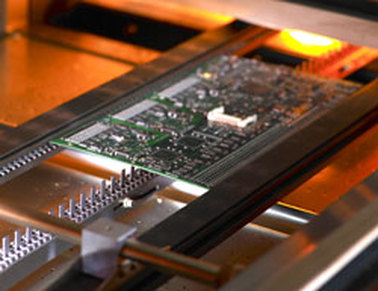
When you’re fixing Smart grid electronics, you can’t just blast the board with heat and hope for the best. If you do, you’ll fry the semiconductors before the lead-free solder even thinks about melting. It’s all about hitting a very specific temperature window—getting the joint hot enough to move without cooking the rest of the board. The struggle with targeted heat Try reworking a high-density power module in a smart grid inverter and you’ll see the problem immediately. Those massive heat sinks are basically thermal sponges; they suck heat away from the joint faster than a standard heat gun can possibly push it in. That’s why we use heating elements with high wattage density. You need a tool that can dump a ton of energy into a tiny spot. When it works, you hit that liquidus temperature in seconds. It’s fast. Really fast. The gear that actually works We stick with quartz and halogen-based emitters. Quartz is great because it doesn’t crack when you cycle the temperature rapidly. Then you’ve got the halogen gas recirculation, which keeps the filament from burning out during those intense bursts of heat. If you’re building an automated repair station, don’t sleep on the connectors. We use R7s or Sk15 bases. Why? Because a loose connection leads to arcing and voltage drops. Once your voltage dips, your temperature consistency goes out the window, and you’re back to guessing. Real talk from the shop floor Here’s the thing: high-density heaters aren’t magic. If you cram a 2000W element into a tight box, you’re just going to bake your own control electronics. It happens more than you’d think. Engineers get so focused on the heat they’re applying that they forget about the heat they’re creating in the room. You have to size your cooling fans to match the output. At the end of the day, it’s about knowing exactly where that heat is going. A drop-in replacement part is great, but if your airflow isn’t dialed in, you’ll end up warping the board. We keep the supply chain moving by actually controlling the heat, rather than just throwing it at the problem.