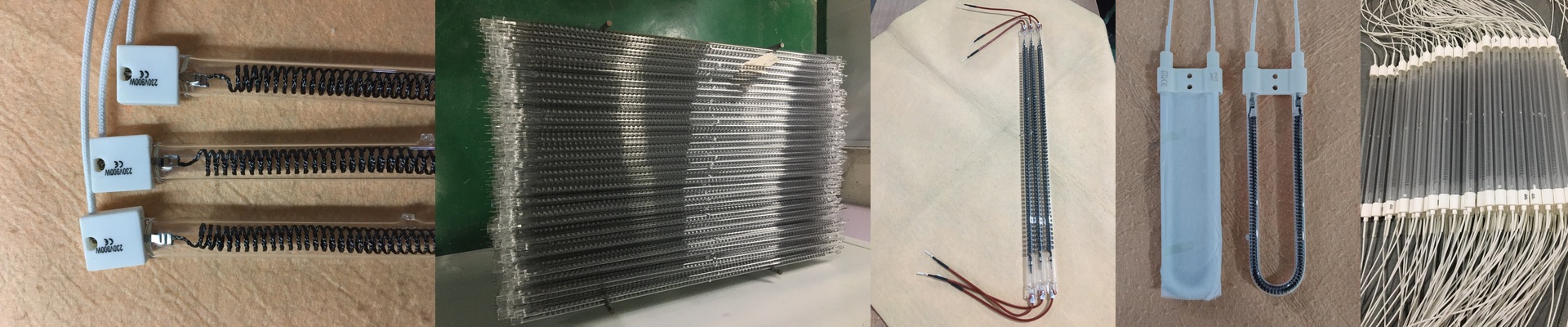
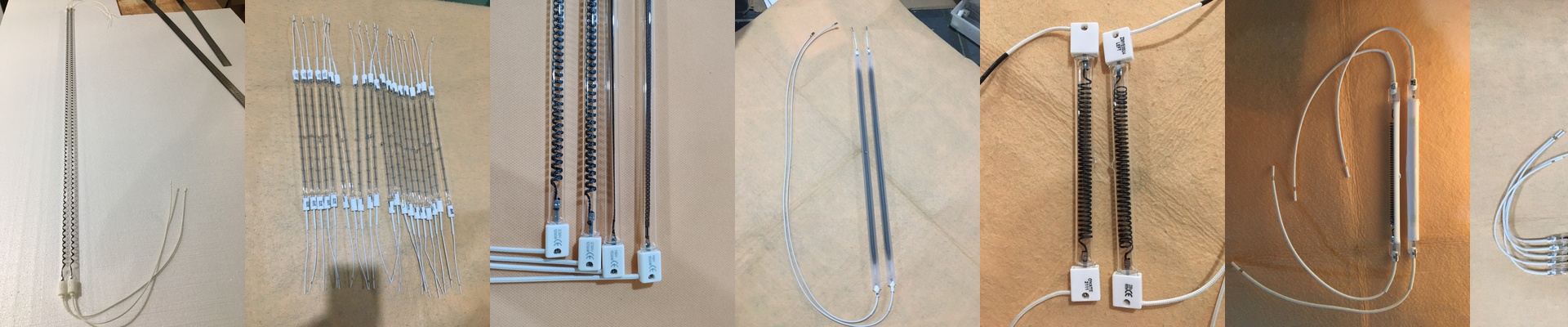
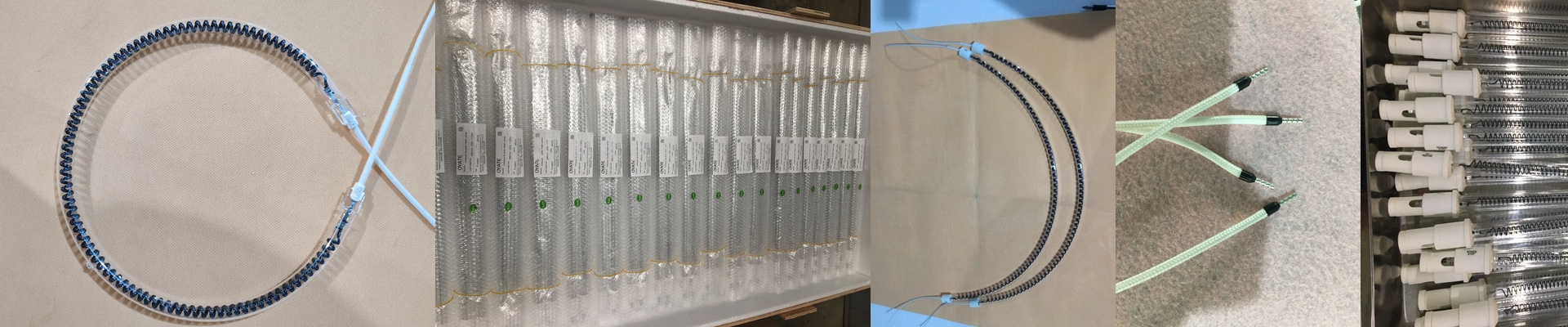
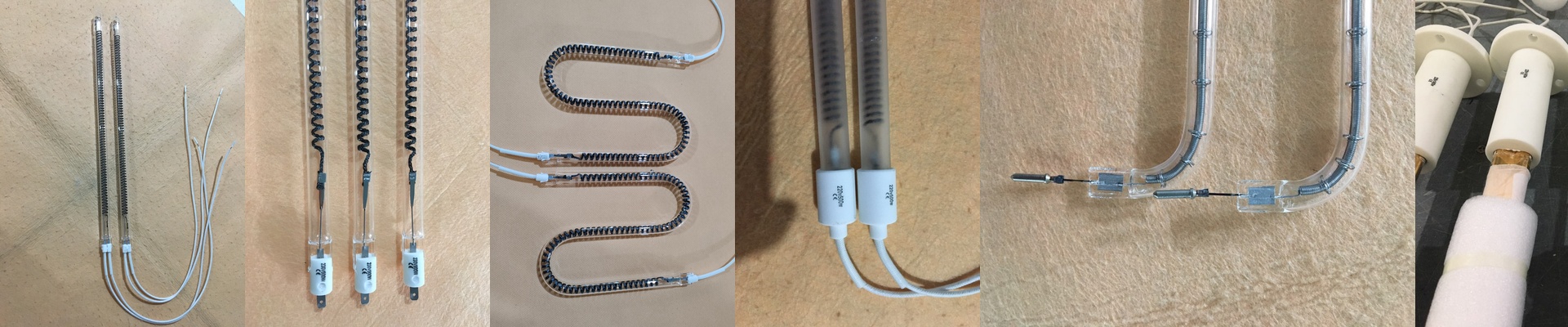
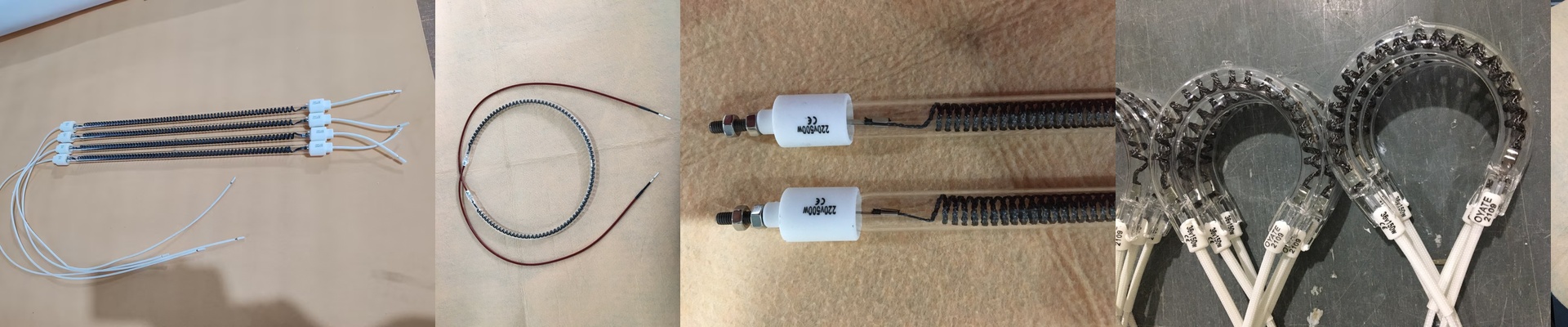
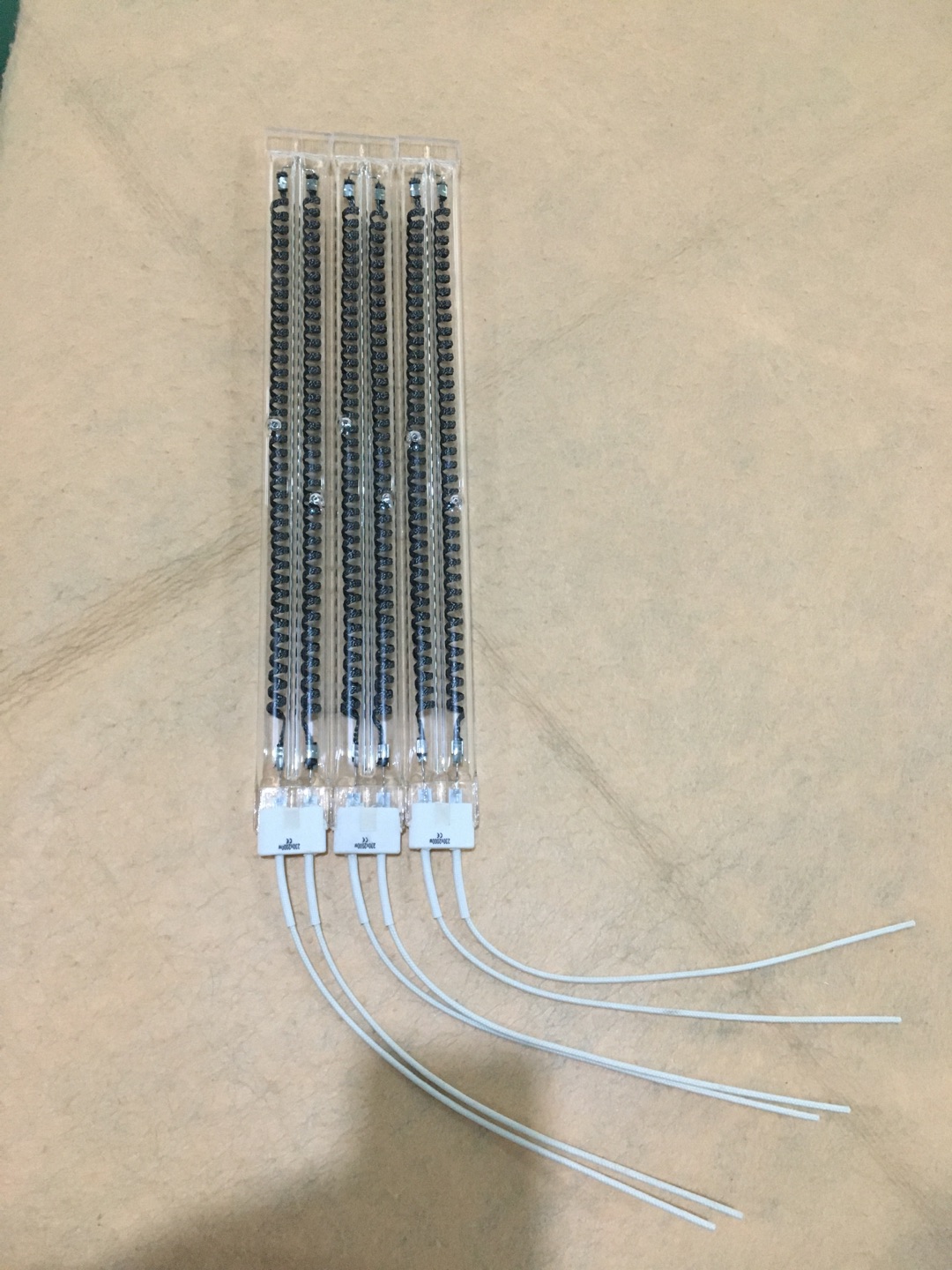
Let’s talk about Carbon Fiber Heating Lamps
If you’re still using those old metal coil lamps, you know the struggle. They take forever to warm up. That’s why we build these carbon fiber versions. We basically take a carbon filament, tuck it inside a quartz envelope, and fill it with halogen or inert gas. The result? You get heat that hits hard and hits fast. Getting the power right Here is the thing about the specs: wattage and voltage aren’t just numbers on a page—they decide how the heat actually behaves. If you go with high-wattage tubes, you get intense shortwave radiation. This is the good stuff. It sinks deep into your materials instead of just warming the surface. But be careful. You’ve got to match the voltage to your current power supply. If you don’t, you’re just asking for a premature burnout. Plus, if you’re running longer tubes, a higher voltage layout helps keep the temperature steady from one end to the other. No cold spots. What’s actually inside The heart of the lamp is that carbon filament. It handles heat way better than nichrome and just puts off energy differently. We wrap it in quartz glass for a reason—it lets the infrared energy fly right through without soaking it up. As for the plugs, we usually go with R7s or Sk15 connectors. They’re standard, so they just drop right in. More importantly, they create a tight seal. When your machines start vibrating during a run, you don’t want your terminals arcing. That’s a headache nobody needs. Real-world use (and the catches) You’ll see these all over PET blowing and plastic curing setups. They hit your target temp in seconds. It’s fast. Really fast. And that completely changes your cycle times. But there’s a trade-off. Because these lamps are so intense, your reflectors have to bespotless. If dust or grime builds up, your efficiency tanks, and the quartz envelope can actually overheat and crack. One last tip: check your wiring gauge. High-wattage arrays pull a lot of current. And if your cooling system isn’t ready for the ambient heat leak, you might end up frying your nearby sensors. Keep it clean, keep it cool, and these things will run like a dream.