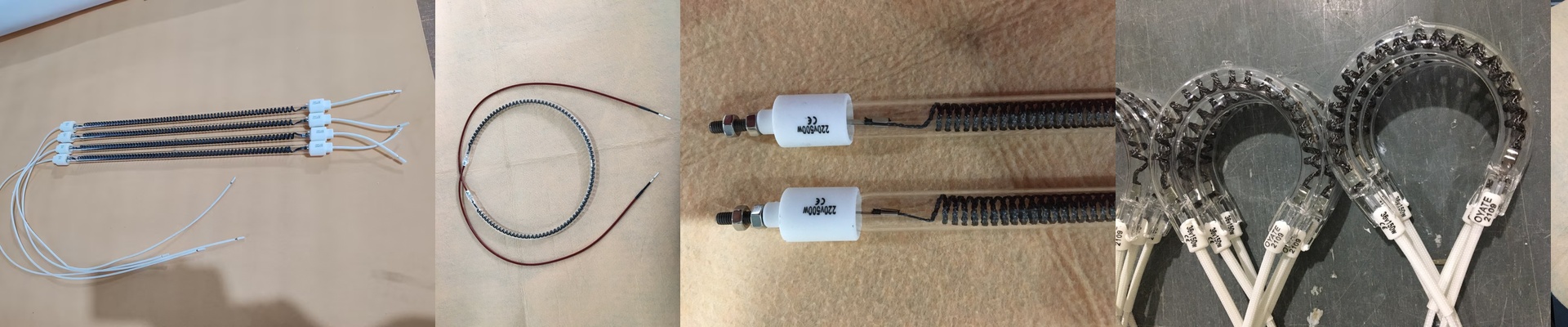
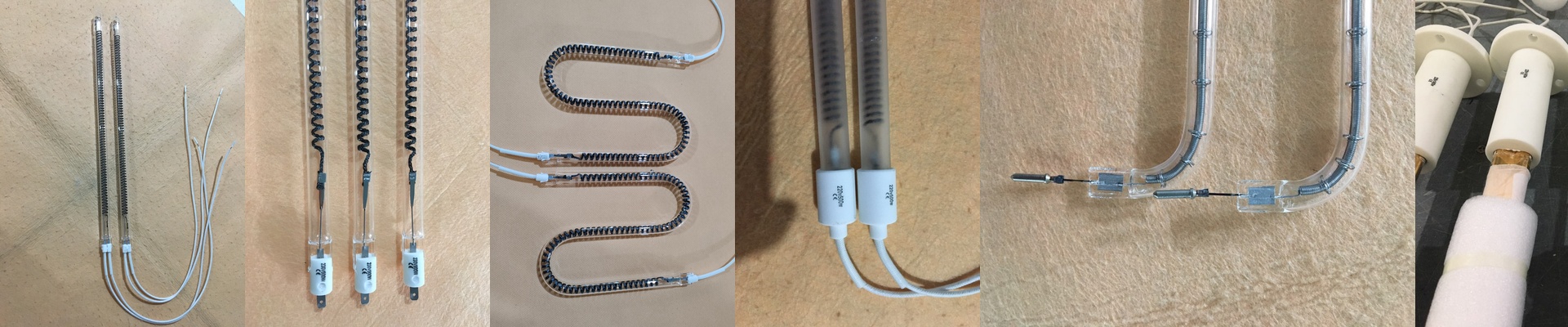
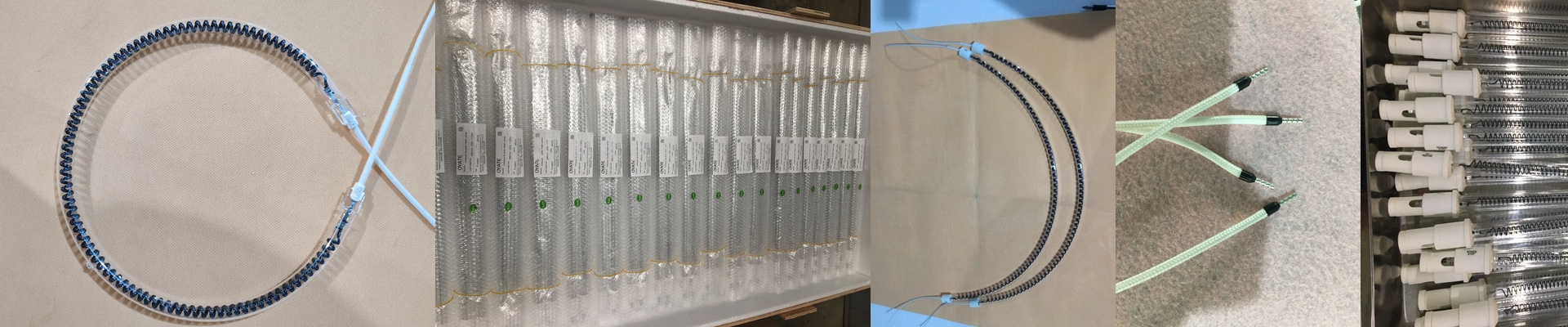
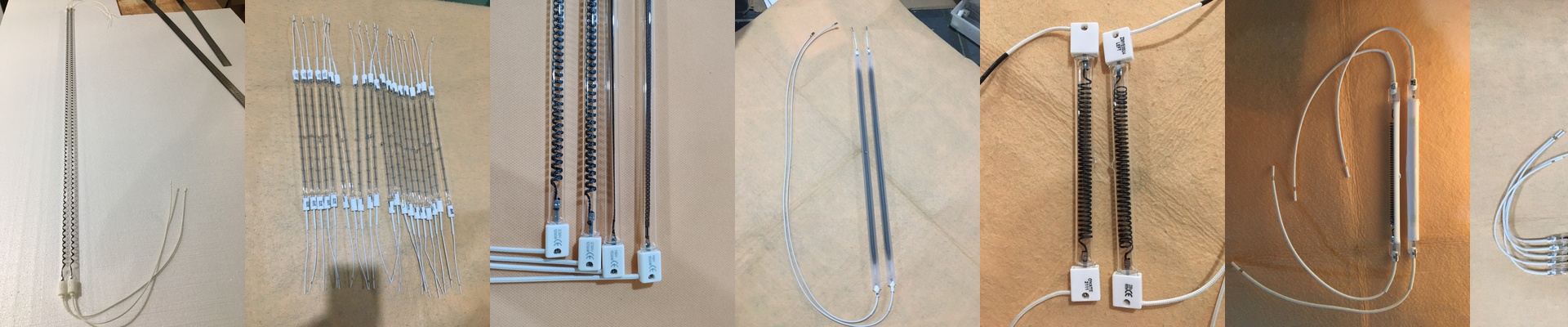
Stop Your IR Lamps From Sagging and Snapping
Rapid pulsed heating is a brutal environment for an infrared lamp. Think about it: you’re switching a lamp on and off tens of thousands of times. Every single time that happens, the filament violently expands and then shrinks. If your support structure isn’t up to the task, the filament starts to sag or shift. And once it moves? You’re looking at arc-overs or a completely shattered tube. Not exactly how you want your shift to go.
The struggle with thermal fatigue
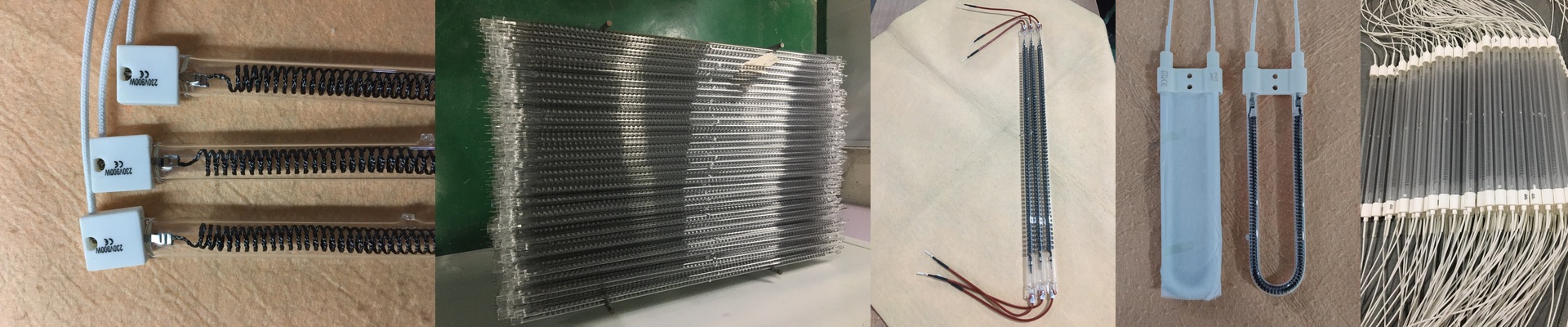
Most lamps are designed to just stay hot. But pulsed heating is different. The temperature swings are wild. It creates this “pumping” effect on the support wires, basically stretching them out over time. To fight this, we use high-purity quartz and a very specific alloy for the supports. The goal is simple: make sure nothing warps or stretches, even after 50,000 cycles. Here’s the danger: if those supports lose their tension, the filament drifts. The second it touches the quartz envelope, the tube is toast. We spend a lot of time calculating the exact tension needed to keep the filament dead-center without cracking the glass seals.
Testing it until it breaks
We don’t do guesswork. We take these lamps and put them through structural fatigue tests that mirror exactly what happens on your production line. We crank them to max wattage and pulse them rapidly just to see where the breaking point is. It’s the only way to know for sure when the material will actually give way. But there’s a catch. While we make sure the tubes can take a beating, you’ve got to watch your power controllers. If your SCRs or solid-state relays aren’t built for that kind of switching frequency, they’ll burn out long before the lamp does.
Getting the fit right
The lamp is only half the battle; the bracket matters just as much. If a tube is too loose in its housing, it’ll vibrate every time it pulses. That adds mechanical shaking on top of the thermal stress, which is a recipe for disaster. Make sure your mounting clips are tight. When the footprint is stable, the filament lasts longer. It’s a small detail, but it’s the difference between a lamp that lasts and one that fails a week early.