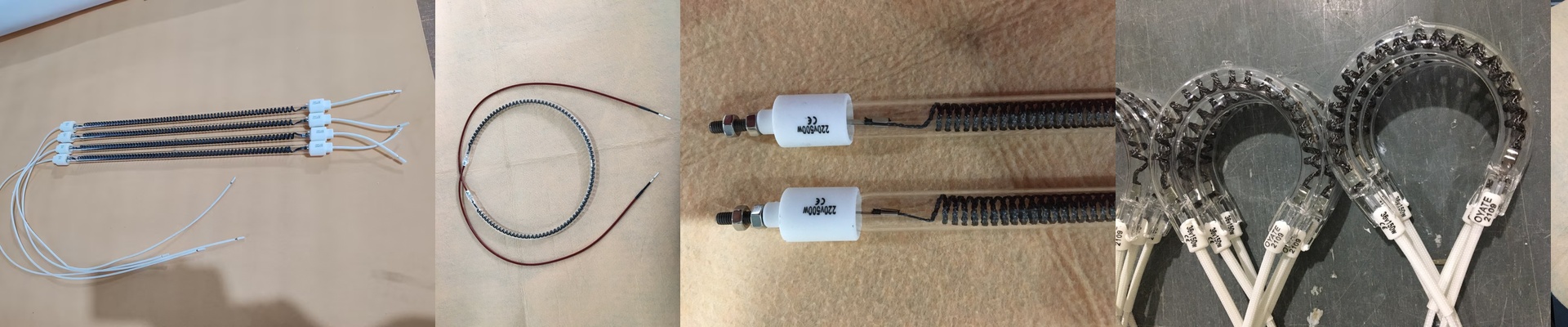
Getting to the Heart of It: Power and Size
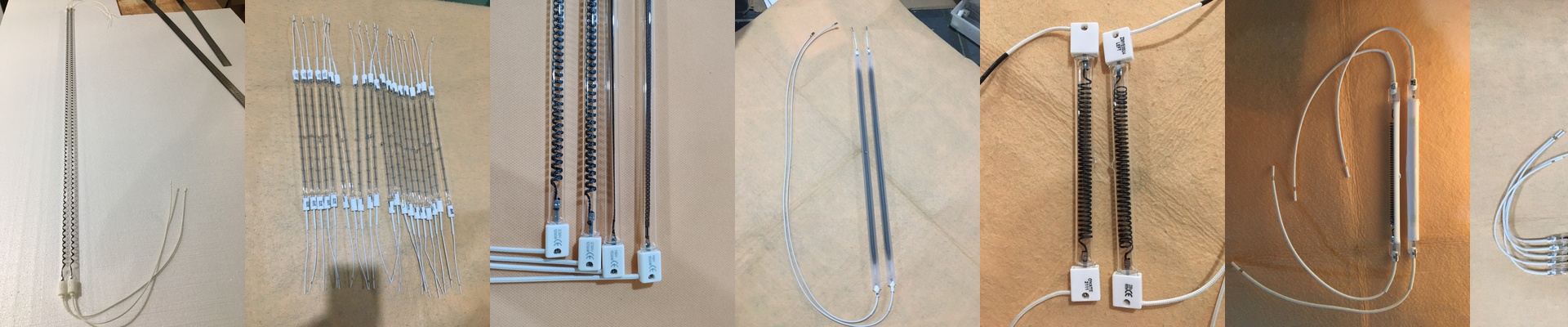
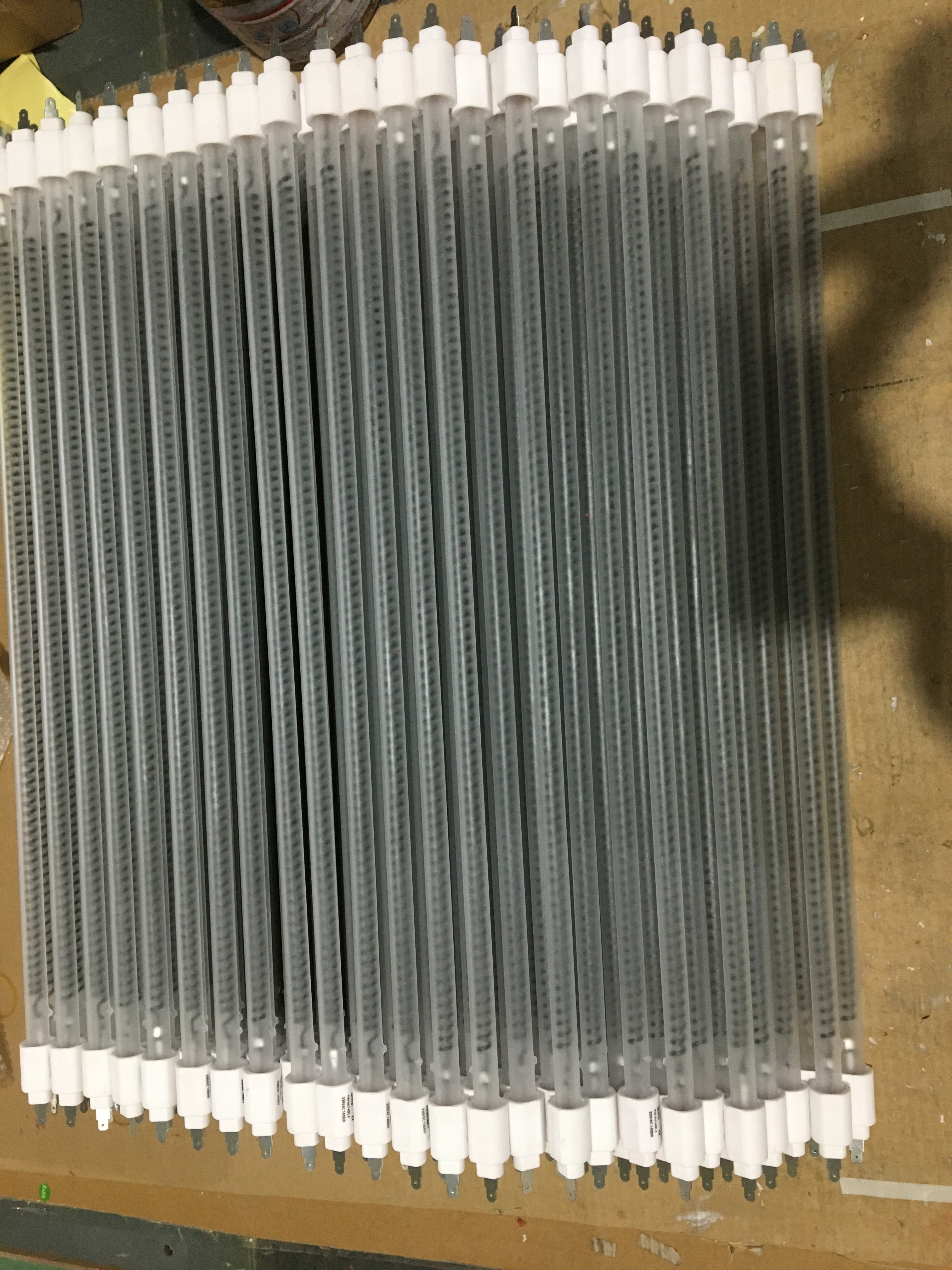
Here’s the thing about these carbon fiber heating tubes. They’re built for the machines that can’t afford to wait around. The kind of industrial work where you need heat, and you need it fast—right where you need it. So, we spec them out to run on 400V, packing 2500W of power into a surprisingly compact 300mm tube. That’s a lot of heat in a small space. The whole point is to slash warm-up time and keep your equipment footprint lean. That 2500W rating at 400V? It wasn’t just pulled out of thin air. It’s the wattage needed to melt or shape materials in a hurry. But with that kind of power, you need a control circuit that can keep up. You have to make sure your power supply and cooling are up to the task. And let’s be real—if you cram this tube into a tight spot without enough airflow, you’re just asking for trouble. It’ll shorten its lifespan in no time.
The Secret Inside: Halogen-Filled Quartz
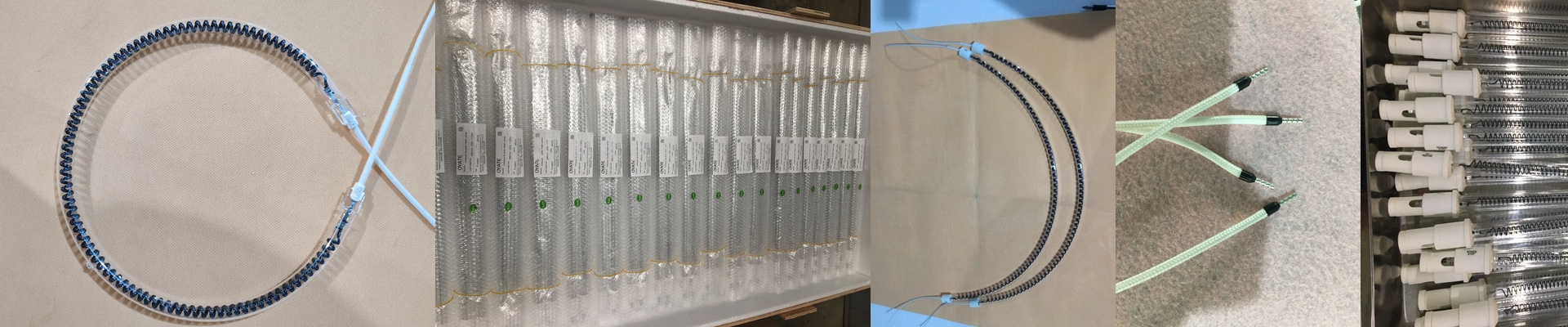
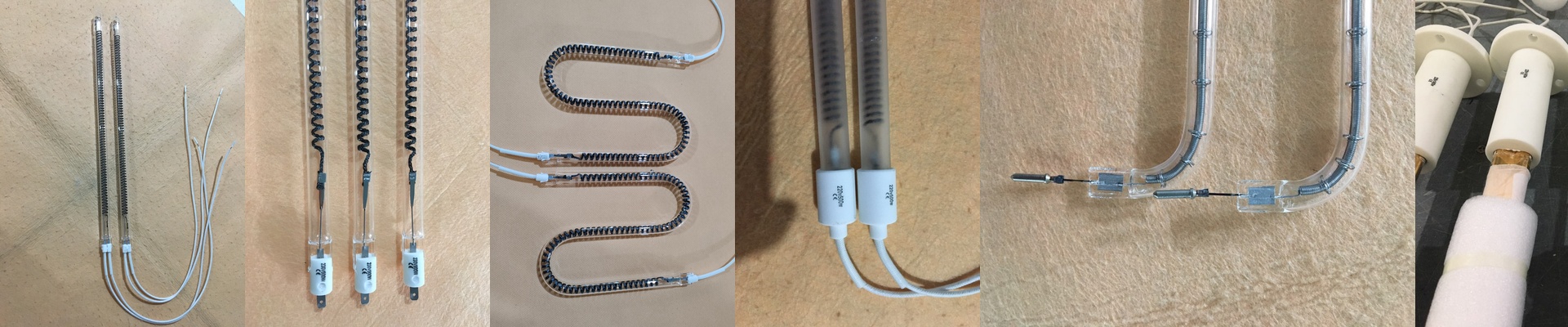
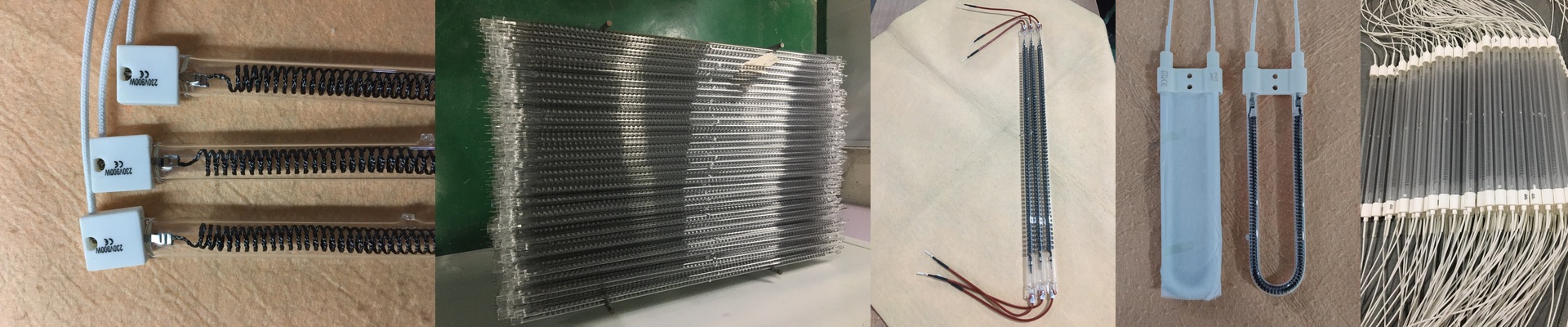
Inside the tube, the carbon fiber heating element is snug inside a halogen-filled quartz envelope. The magic is in the halogen cycle. It works like a tiny, built-in cleaning crew, sending evaporated tungsten back to the filament. This keeps the quartz from getting all black and grimy, and it means the output stays steady over time. No fading. Just consistent, reliable temperature control. And the quartz itself? It’s tough. It shrugs off thermal shock and holds its own at scorching temperatures. For the wiring, we went with an R7s connector. It gives you a solid, low-resistance connection, making the whole installation a breeze. It’s a direct swap for most standard fixtures, so you’re up and running in minutes.
Built for the Grind: Tough, Quick, and Easy to Swap
These tubes are made for the rough and tumble. Think plastic processing, packaging sealing—any job where the heat has to be on target and on time, every time. The carbon fiber element responds almost instantly to control signals, giving you way tighter temperature control. They’re engineered to take a beating, but they still need a proper home. Good mounting and steady airflow are non-negotiable. Plan your heat management, and you’ll get rock-solid performance. And when it’s time for a replacement? The R7s interface makes it a snap. You can swap it out fast, which means less downtime and less hassle.