Introduction
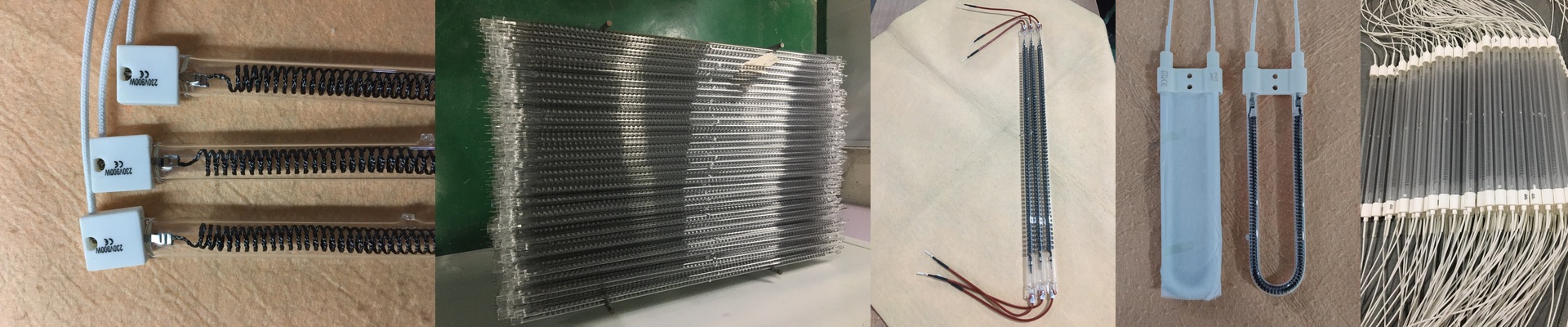
When your industrial process needs heat—fast, precise heat—the right heating tube makes all the difference. We’ve got two go-to options: quartz and carbon fiber. Each has its own personality, built for different kinds of heat demands and work rhythms. It really comes down to what you need more of: raw power density, lightning-quick response, or the ability to handle the environment your machine runs in.
Technical Deep-Dive
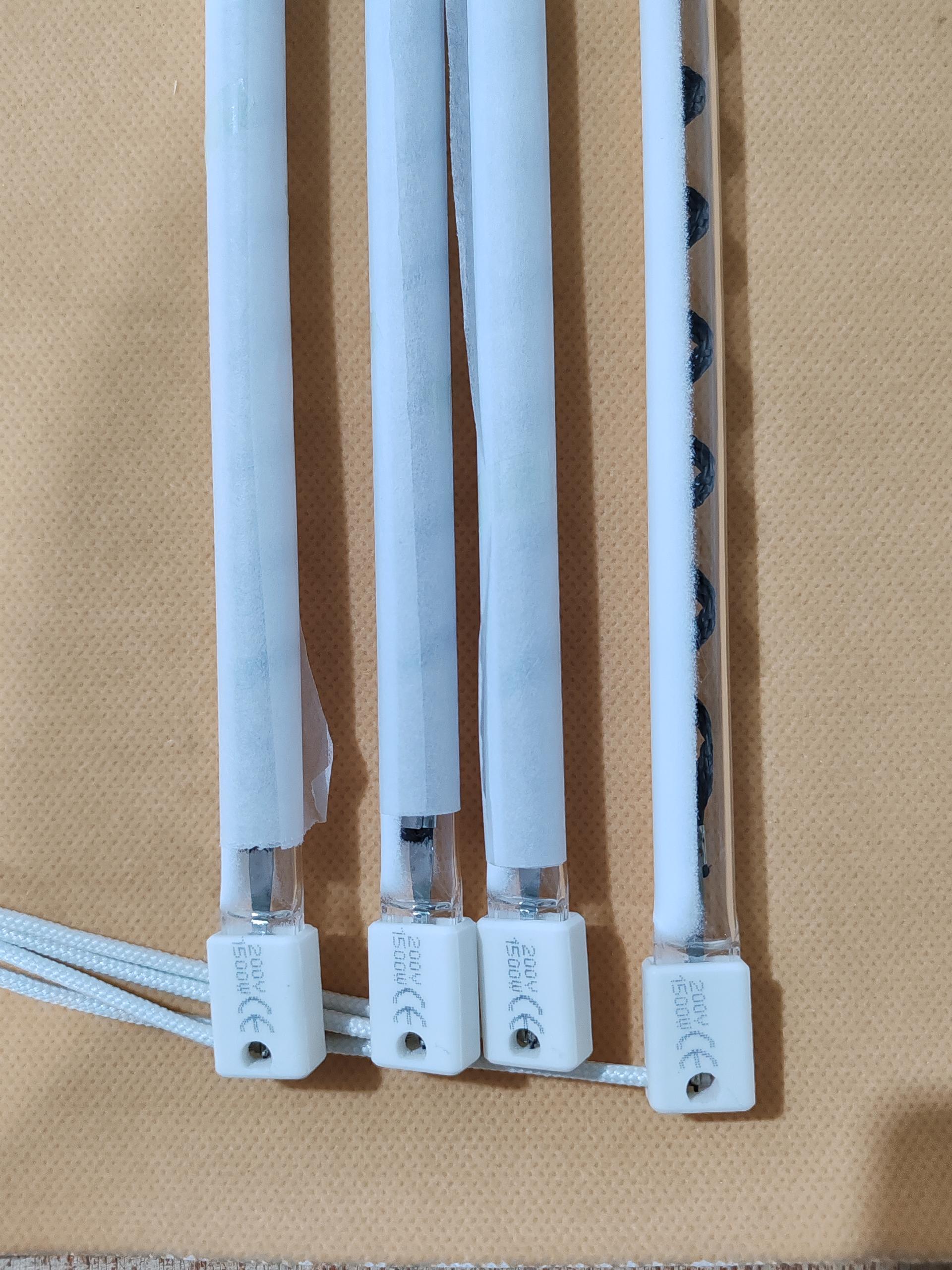
We don’t design these tubes in a vacuum. They’re specced to slide right into your actual machine footprint and work with your electrical setup. For example, running on 400V lets you push serious wattage over longer runs without the voltage taking a nosedive. That also means you can keep your wiring lean. And when you pack that kind of power into a short, compact length—say, around 300mm—you get the intense, focused heat you need. Perfect for those tight process windows where every second counts.
Material & Design
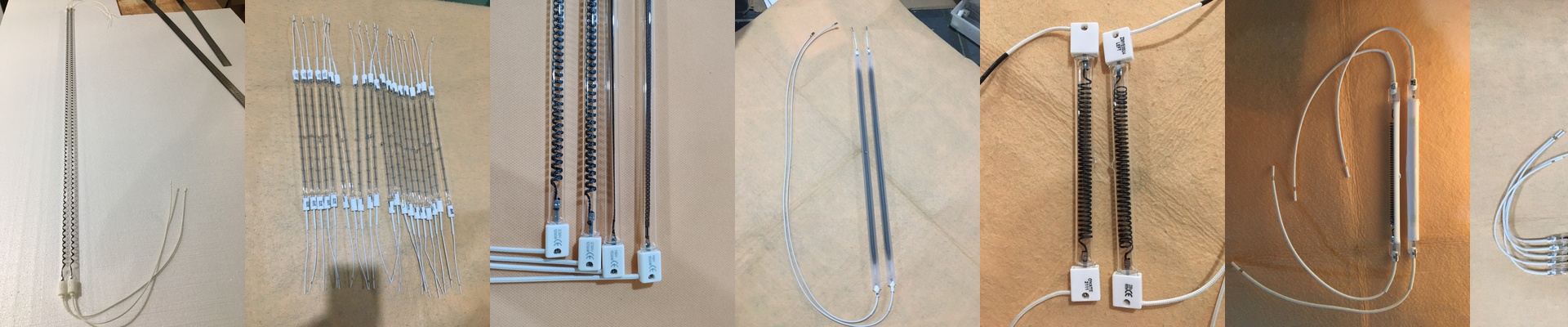
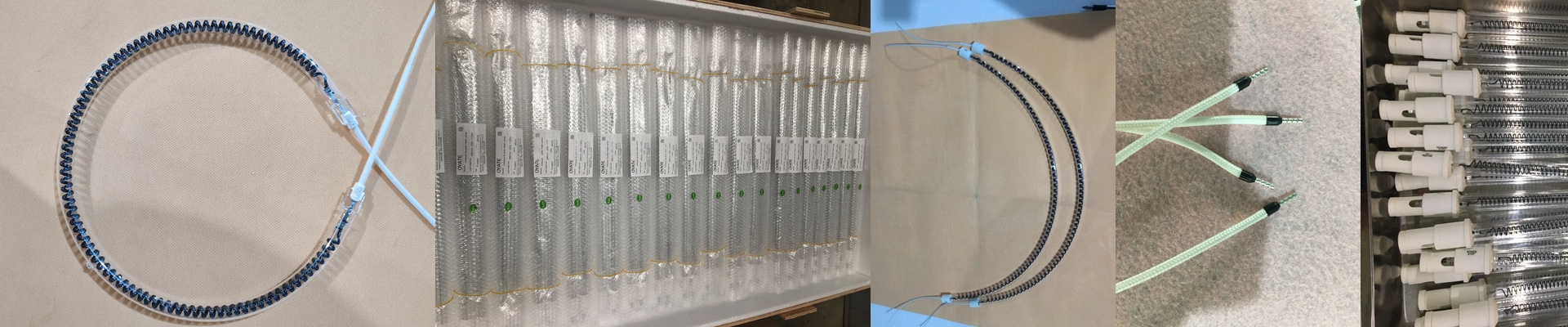
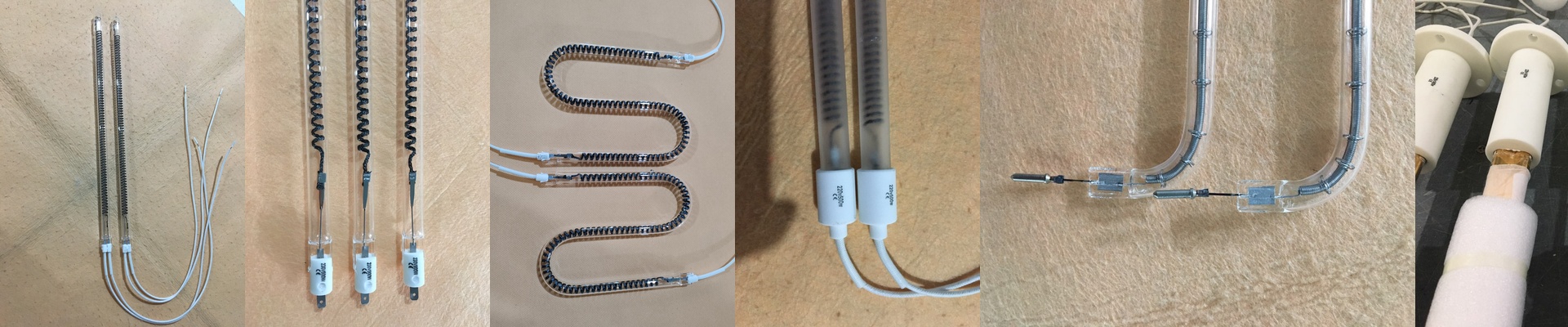
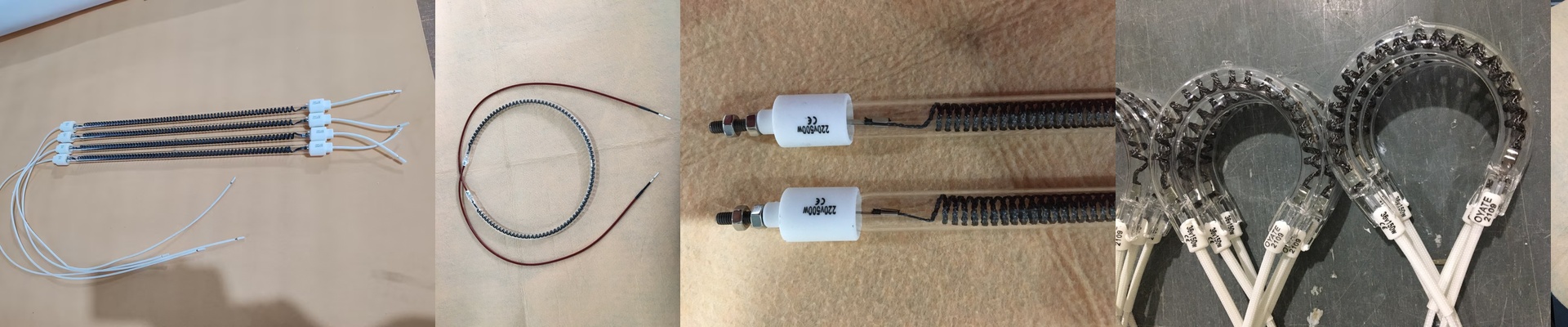
Quartz tubes are tough. They laugh in the face of high temperatures and handle sudden temperature swings without cracking, so you can turn them on and off without a worry. The halogen fill and careful coating work together to give you a stable, controlled heat output. Carbon fiber elements, on the other hand, are all about that even, consistent heat with a quick response time. They’re built to resist thermal fatigue, so they just keep going. And when it comes to mounting, we use R7s and Sk15 connectors. They’re simple, solid, and make wiring on the shop floor a breeze. If a tube ever needs replacing, you can swap it out as a quick drop-in unit.
Application & Benefits
These tubes are built for the reality of production: keep things running, keep the temperature steady, and keep maintenance to a minimum. Quartz is your choice when you need a hard-hitting, concentrated blast of heat in a small space. Carbon fiber really shines when you need that heat to spread evenly and ramp up fast. Just know this: going for higher power density means you need to pair it with solid cooling and careful thermal management around the zone. Match the tube to the job, and you’ll get reliable, stable performance. No more constant tinkering. Just work that you can count on.