IR Carbon Fiber Tube: The High-Density Halogen Heater for Industrial Precision
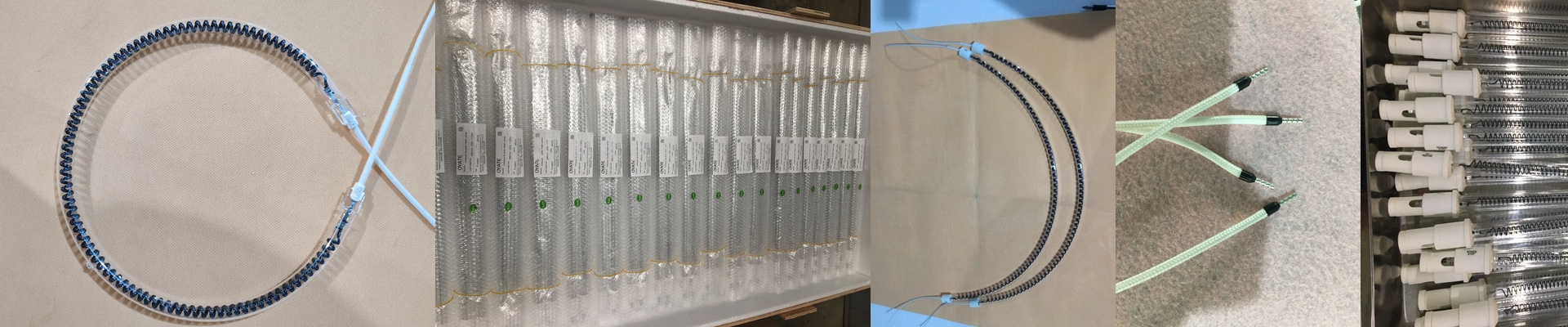
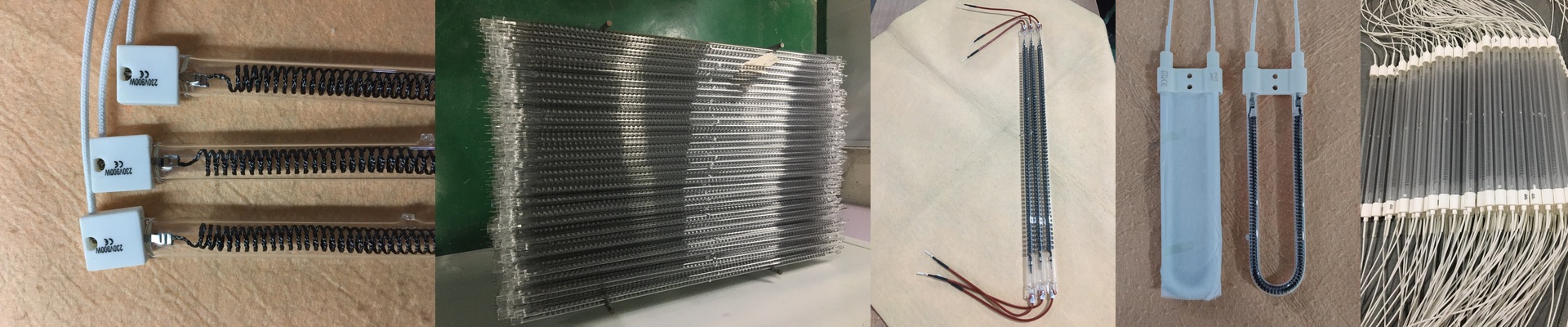
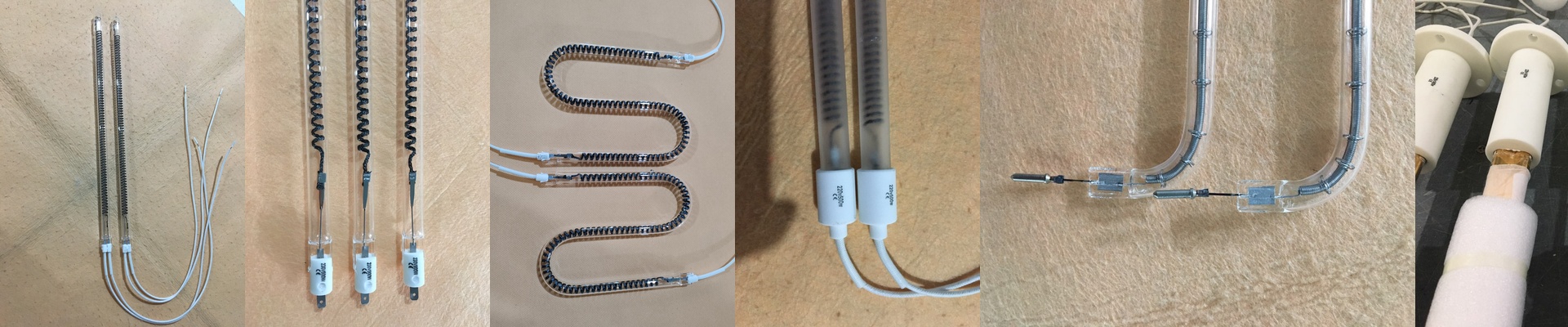
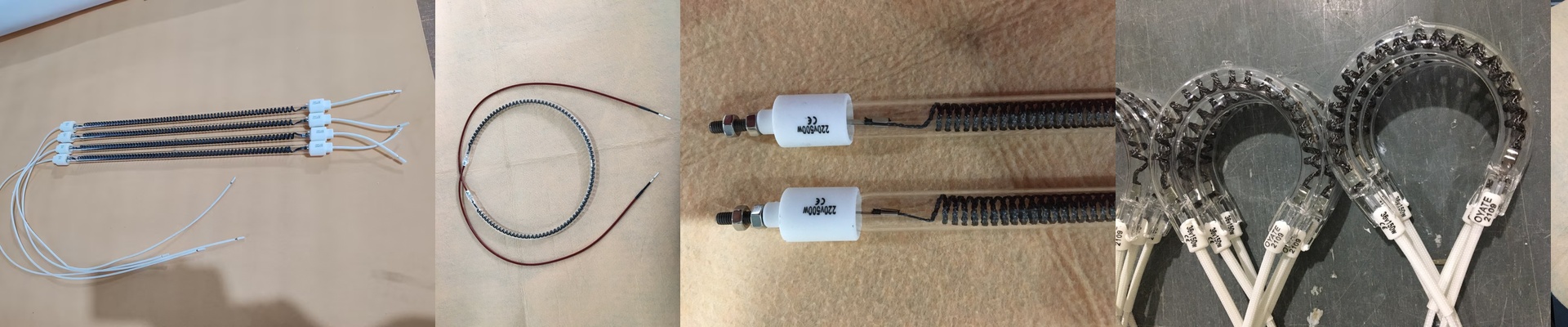
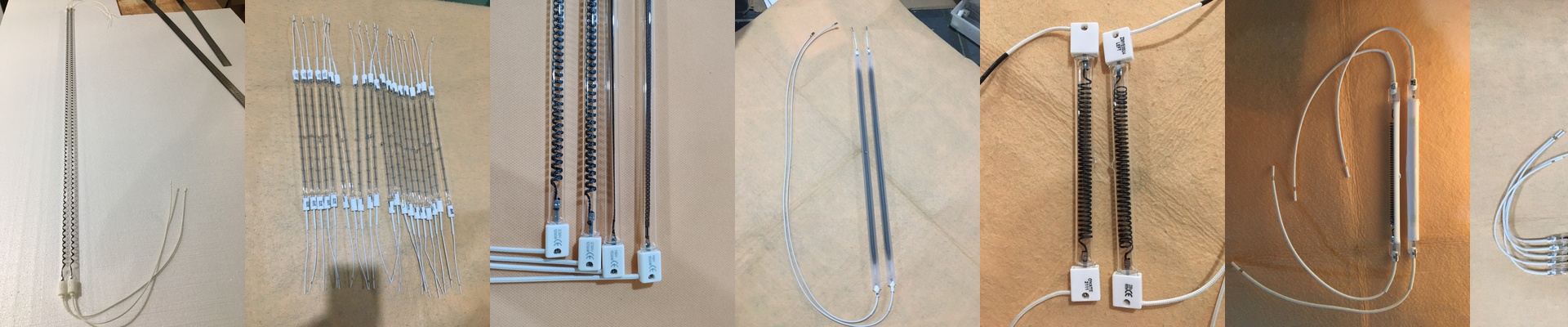
We build the IR carbon fiber tube as a purpose-built, shortwave infrared heater for industrial environments where space is tight and heat density is non-negotiable. This is not a general-purpose element; it is a direct replacement for legacy halogen lamps in machines that demand fast, focused energy. The core of the design is a carbon filament housed in a quartz envelope, engineered to deliver rapid response and stable output under continuous duty cycles.
Technical Deep-Dive: Power, Voltage, and Geometry
The specs define the application. We typically configure this tube at 400V and 2500W, which is a deliberate choice to push high heat density across a compact footprint. This voltage rating allows the element to run on standard industrial control voltages while maintaining the current needed for rapid ramp-up. The 300mm length is a sweet spot: short enough to fit into tight heating zones on blow molding heads or sealing bars, yet long enough to provide a useful radiant surface area. You get instant-on performance. The filament hits operating temperature in seconds, which cuts down machine warm-up and supports high-speed cycles. The wattage density is high, so you can heat small targets fast. Trade-off: that density demands a machine design that can manage the heat. Your cooling and airflow must be spec’d to handle the ambient load.
Material & Design: Filament, Coating, and Connectors
The carbon filament gives us a robust resistive element with predictable resistance across temperature swings. It handles thermal shock better than many metal-core alternatives, which matters when the lamp cycles on and off repeatedly. The quartz envelope is not just a protective shell; it transmits infrared efficiently and maintains mechanical stability at high temperatures. We apply a reflective coating on the outer quartz to direct more energy forward, reducing losses to the surroundings and increasing effective power density on the target. This coating also helps shield nearby components from radiant heat, which reduces thermal stress on adjacent plastics and metal parts. The connector choice is mission-critical. We fit these tubes with an R7s base, which provides a secure, high-temperature mechanical and electrical interface. The bi-pin design supports quick replacement and stable alignment inside the reflector assembly. In high-vibration plants, the R7s interface reduces the risk of intermittent contacts that can lead to premature failure.
Application & Benefits: Engineered for Production Reality
This configuration is engineered for industrial heating tasks where response time, reliability, and compact form factor matter. In PET blowing and preform heating, the tube delivers fast, uniform heat to the preform walls, supporting consistent parison thickness and cycle speed. In packaging sealing, the shortwave output concentrates energy at the seal line, enabling strong bonds without overheating the surrounding film. The benefits are practical. The tube is a drop-in replacement for existing halogen assemblies, so you can upgrade without redesigning the machine. The fast response supports shorter cycle times, and the focused output reduces waste heat. Maintenance is straightforward: when the lamp reaches end-of-life, you swap the tube and get back to production. We design the IR carbon fiber tube to take a beating on the plant floor—fast cycles, high temperatures, and constant on/off demands. If your machine needs concentrated heat in a small footprint, this is the spec to run.