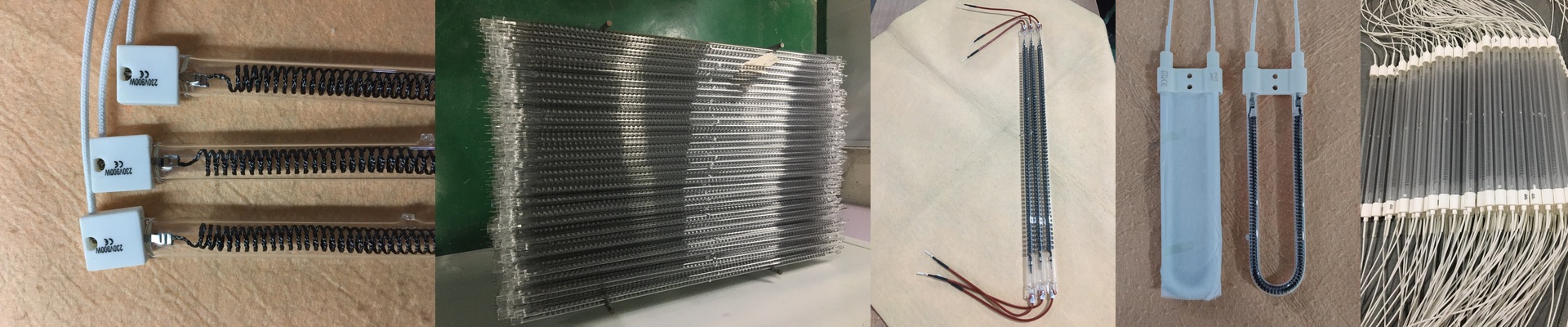
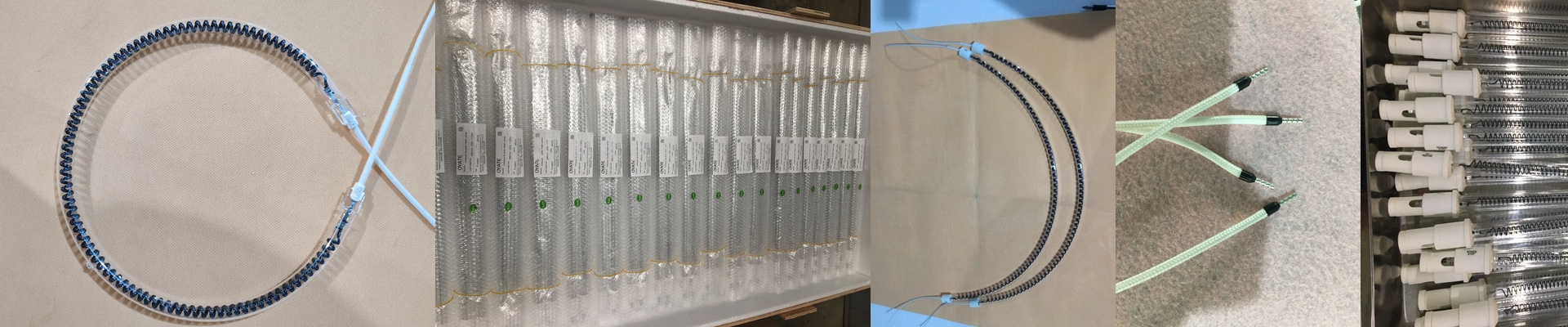
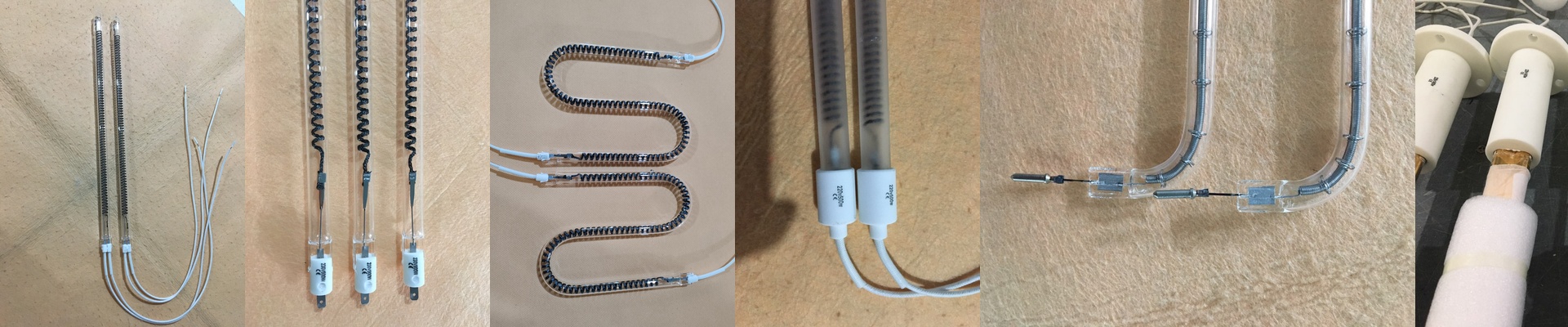
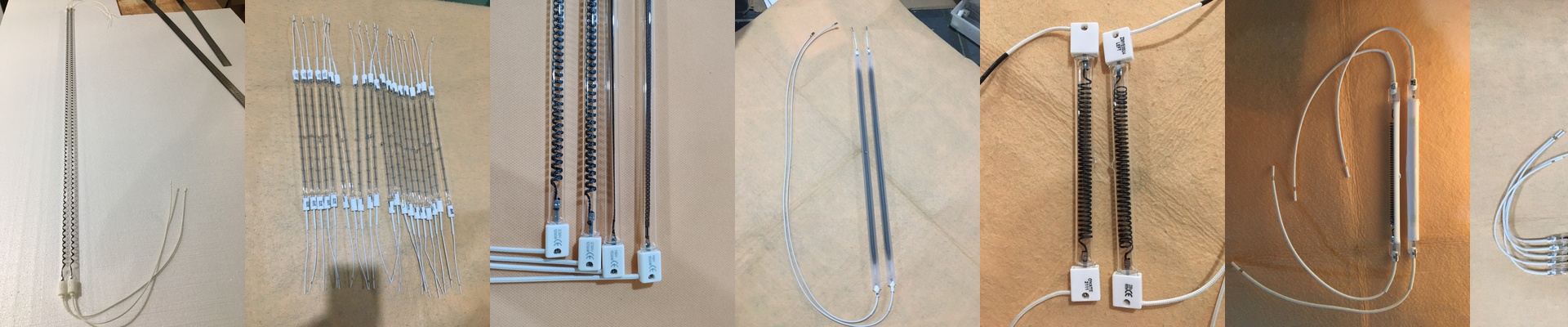
Carbon Fiber Halogen Heating Tubes: Built for the Tough Spots
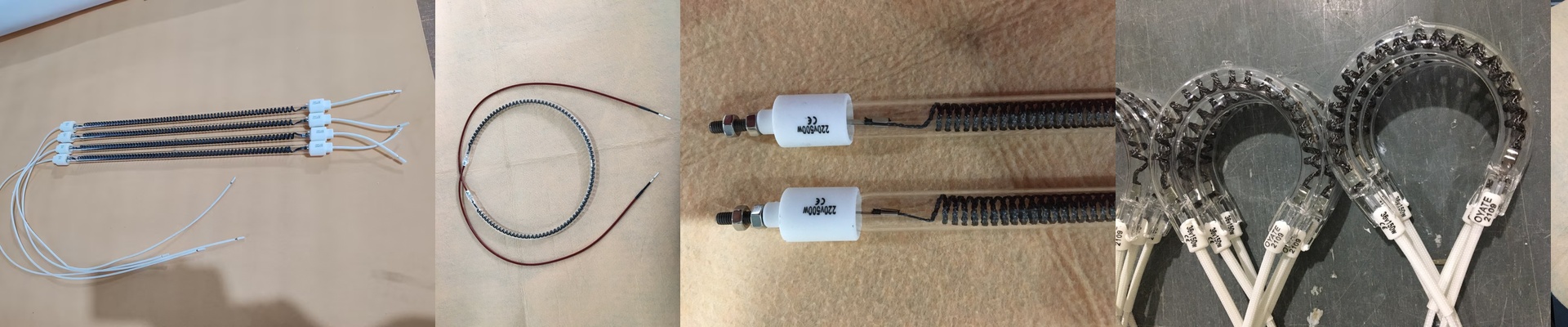
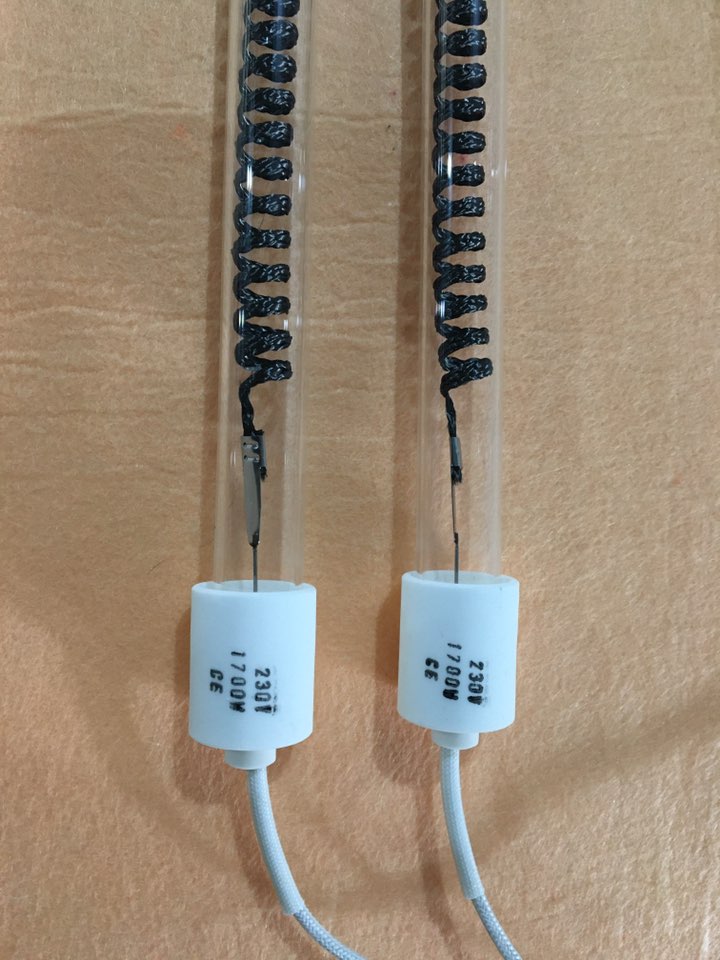
Let’s talk about heating tubes that don’t mess around—the kind that show up when space is tight and you need serious heat, fast. These are carbon fiber halogen heating tubes, made for industrial work where you can’t afford a bulky setup or slow warm-up. They’re built as halogen infrared heaters inside a quartz envelope, so they snap to temperature and hold steady—even when the machine environment is rough.
Power, voltage, and why it matters
Most of these tubes run at 400V and deliver 2500W. That’s a lot of heat in a small footprint. And here’s the practical bit: that 400V choice keeps the current manageable, so you don’t need oversized wiring. Less current also means fewer connection losses inside the machine. They’re typically 300mm long, which concentrates the heat into a focused zone. Perfect when you need a small hot spot, not a wide wash. Now, because the power density is high, heat has to go somewhere. If your fixture and surroundings can’t shed it, components wear out fast. The wattage and length are matched so the tube fits a standard slot, but still punches hard for demanding cycles.
Inside the build: halogen, quartz, coating, and connectors
Inside, the carbon fiber filament runs hot—really hot—and the halogen cycle helps keep it stable by putting evaporated material back where it belongs. The payoff is consistent output over time, and less of that blackening that kills ordinary lamps. The quartz envelope handles the shock of rapid start-ups and tolerates high operating temps without complaining. Many versions add a reflective coating to push more infrared energy forward. That means more heat lands on the target, and less gets wasted on nearby parts. For connections, the R7s base is a workhorse choice. Two straight pins give solid contact and make replacement straightforward. It keeps everything aligned and helps prevent hot spots at the ends.
Where these shine—and what to watch for
These tubes are made for jobs like PET blowing and plastic welding—any machine-integrated heating task where speed matters. They slip into crowded heater blocks without a fight, and the infrared output delivers heat quickly. No long warm-up. Just heat, when you need it. On the floor, you get a drop-in replacement that can take a beating—vibration, dust, and constant thermal cycling—while still holding steady output. Just keep one thing in mind: that high heat density means you need proper cooling and thermal insulation around the tube. Set up the mounting and airflow right, and it will keep running reliably, shift after shift.