Introduction
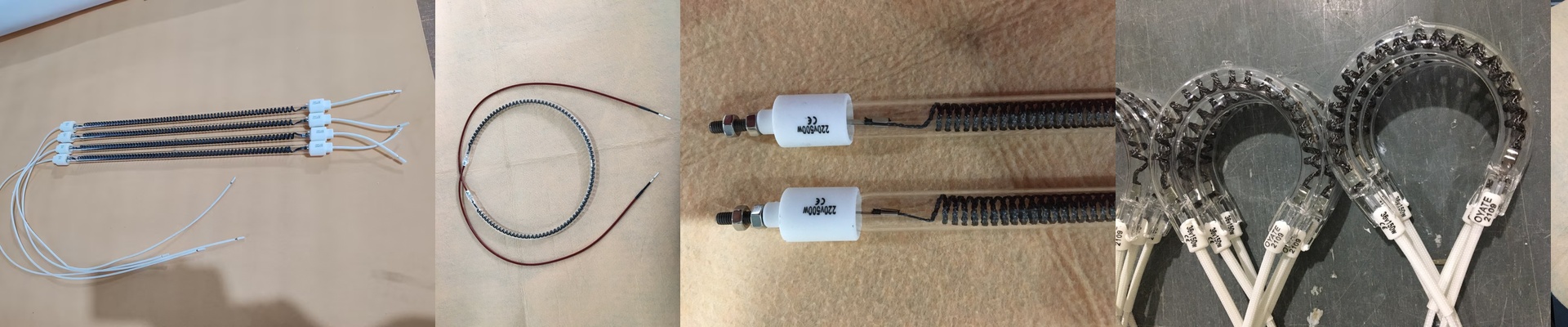
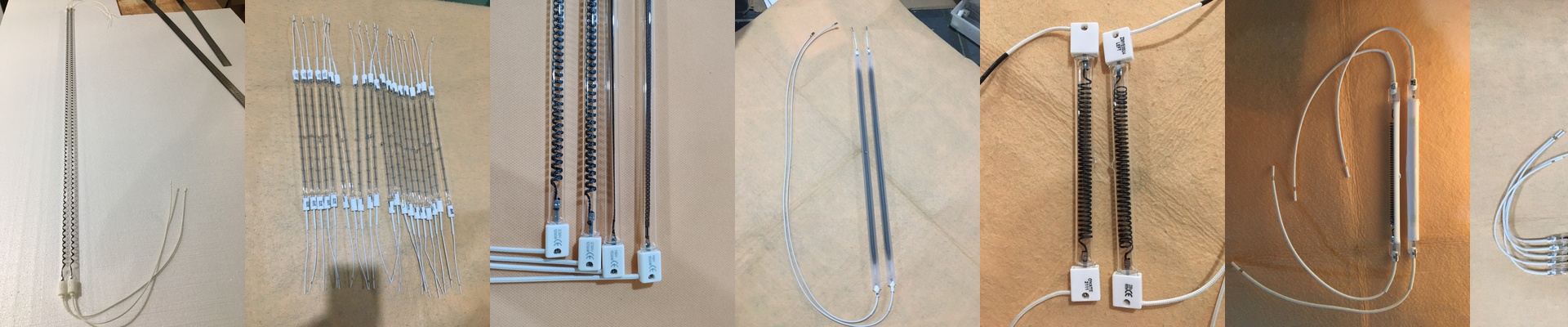
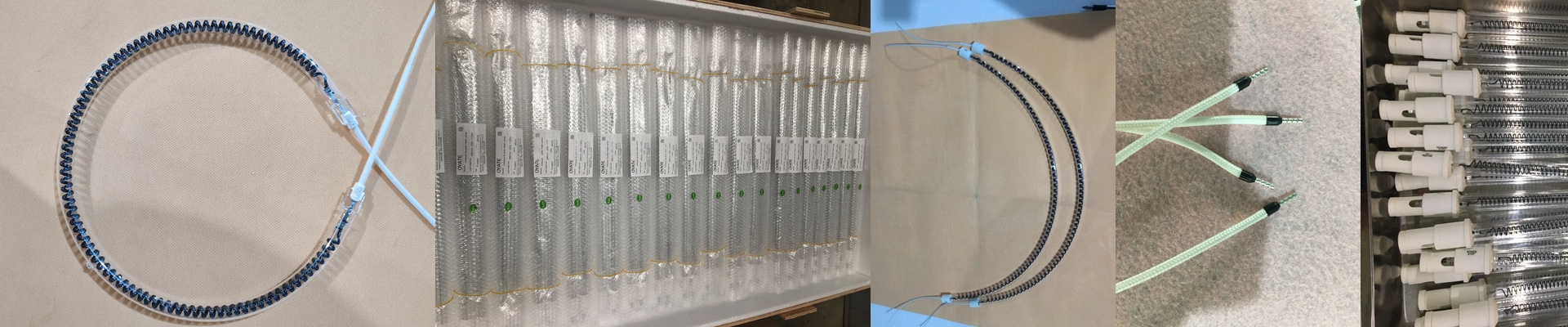
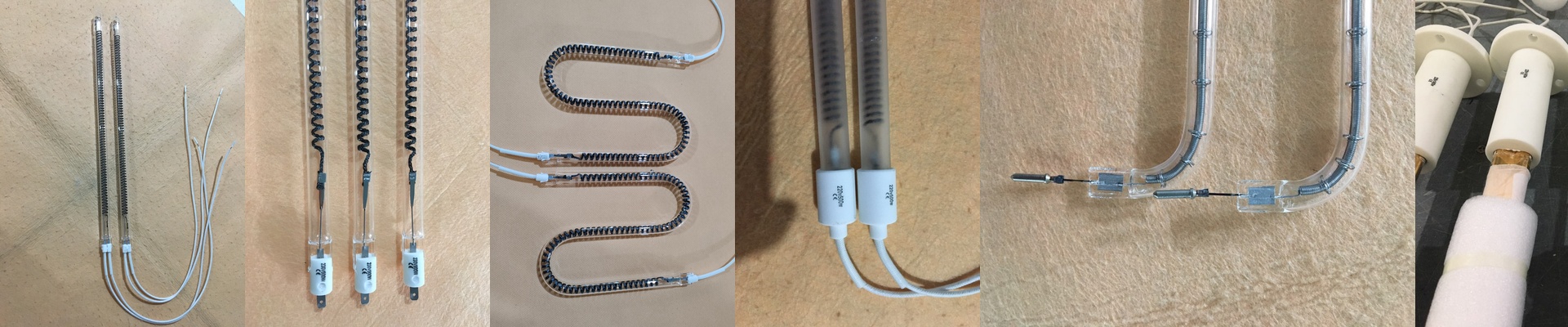
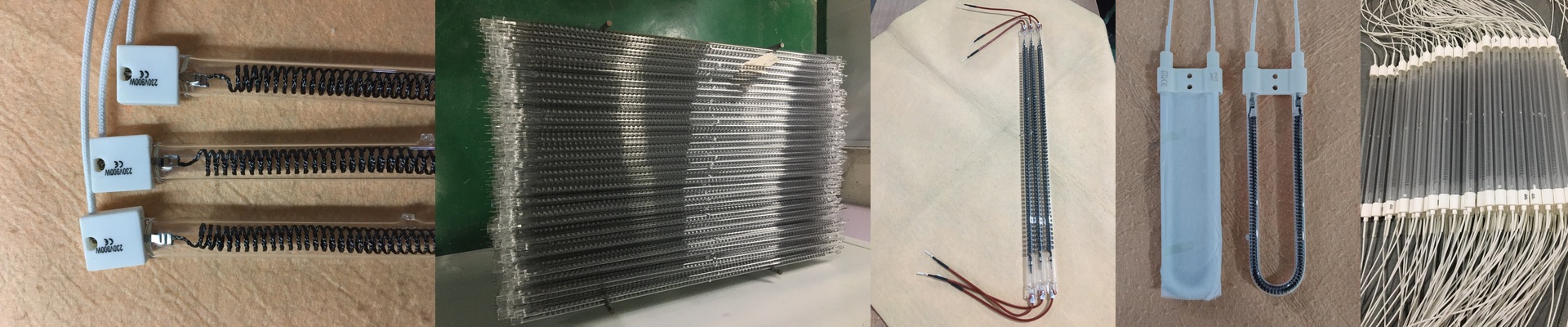
We built this carbon fiber heating element to be a tough, no-nonsense heat source for industrial machines. It’s the kind of part you can drop in and trust—built for places where space is tight and the machine absolutely has to keep running. When your process needs heat fast, and you need it to stay steady, this is the workhorse that shows up and gets the job done.
What it’s really built for
Let’s get into the details, because they matter. It runs at 400V, so you can plug it straight into the standard high-voltage supplies most machines already have. That means you can skip the bulky step-down transformer and keep your control panel from turning into a crowded mess. At 2500W, it packs a serious punch in a small package. The size—300mm long, 10mm diameter—was chosen specifically for those tight heating zones you find in blow molding, sealing, and small ovens. Here’s the thing: high wattage in a short length gives you rapid heat-up, which is great. But it also means the rest of the machine has to be ready. Because the heat comes fast, you need to make sure cooling and insulation are properly set up, so nearby parts don’t get cooked.
The materials that make it dependable
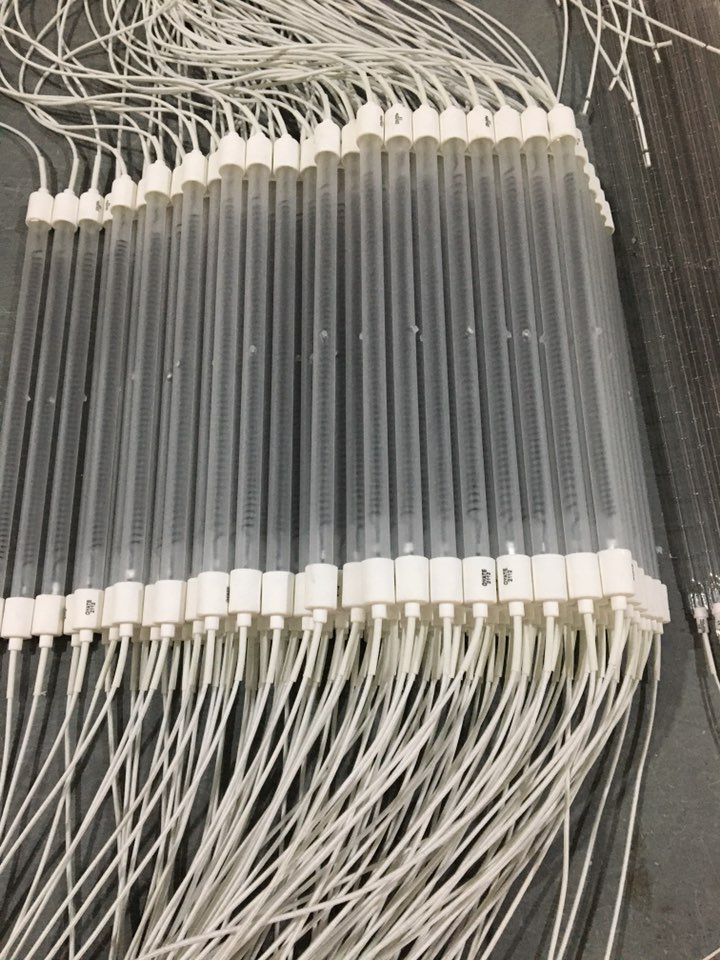
Inside, the carbon fiber core sits in a quartz tube. We picked quartz because it can handle sudden temperature swings without cracking, and it keeps output stable even when the element cycles on and off all day. A halogen fill gas helps keep the filament temperature steady, so the heat stays consistent over the life of the element. The coating protects the quartz from contamination and etching, which keeps the tube clear and the heat efficient. For hooking it up, we use an R7s connector. It’s a practical, industrial choice—two terminals that wire up quickly and hold their alignment even when the machine is shaking and vibrating. That means fewer failures out in the field and less time spent on maintenance.
What it feels like on the floor
In production environments, this element is built to take a beating. It can cycle fast, hold steady heat, and fit into spaces that are anything but generous. For engineers, the payoff is simple: predictable heat, an install that doesn’t fight you, and fewer surprise stoppages. That said, there’s a trade-off you should own. Because it delivers high heat density, you do need to manage the surrounding thermal environment. Plan for proper airflow, add shielding when needed, and keep heat separated from sensitive components. When you set the machine up with that in mind, the carbon fiber heating element just keeps performing—quietly dependable, with downtime that stays minimal.