Introduction
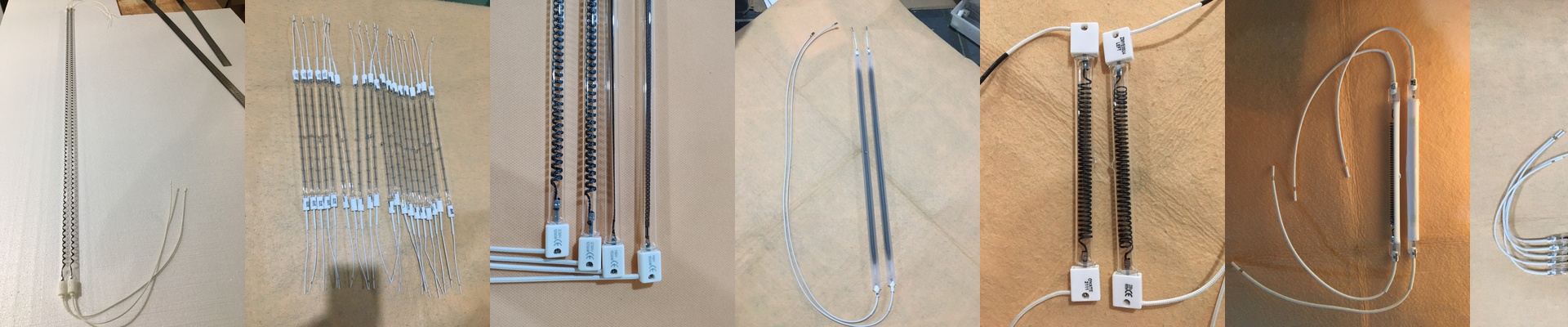
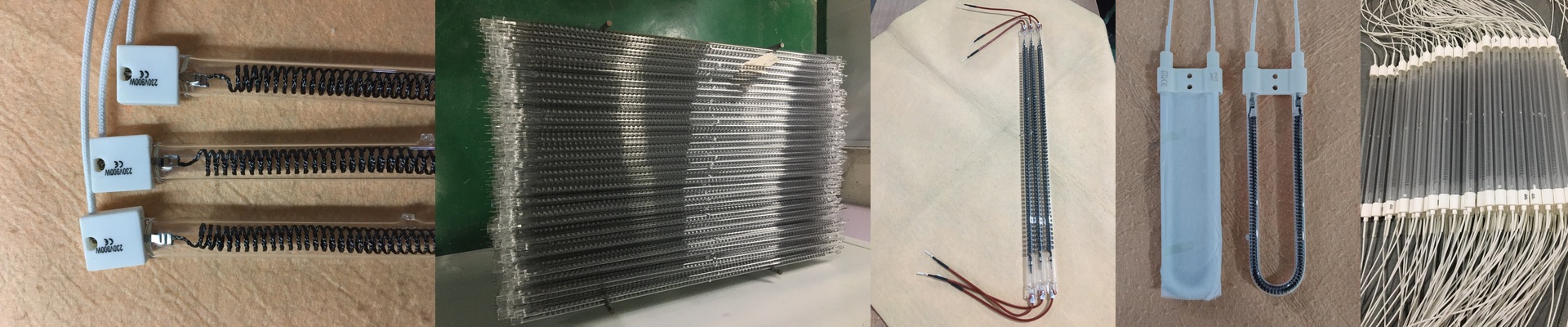
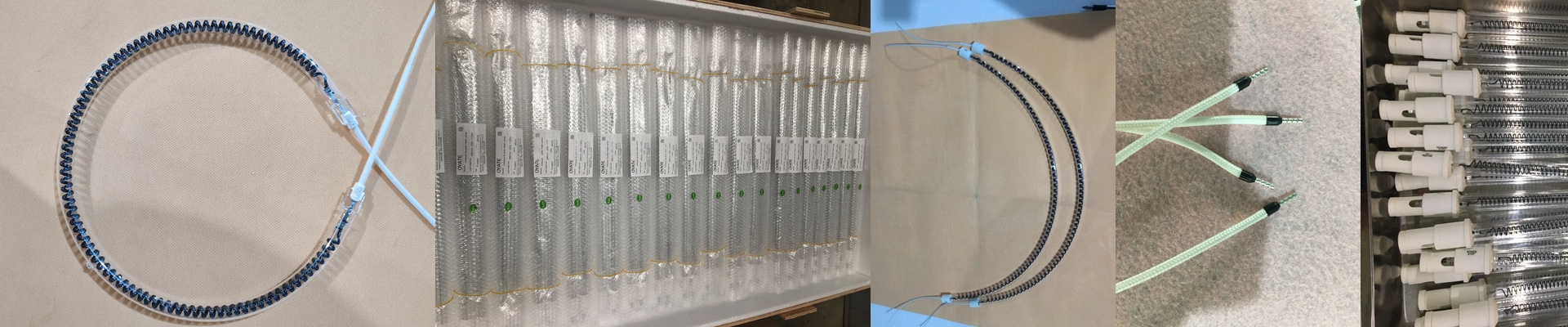
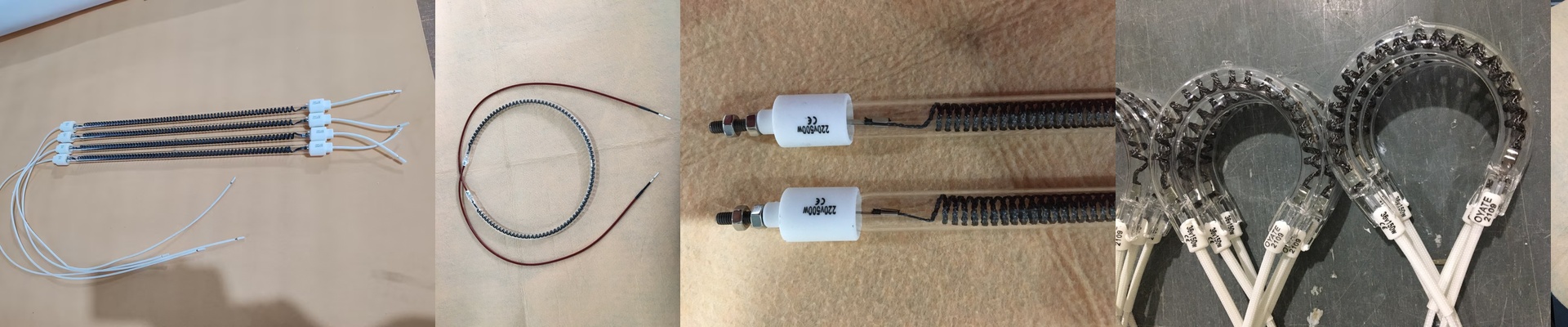
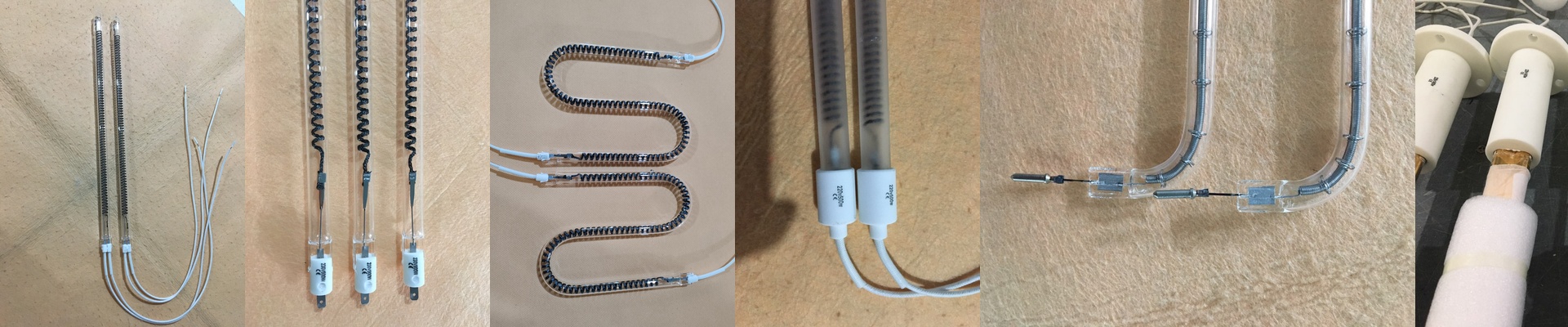
Let me tell you about these carbon fiber infrared heat lamps we make. They’re not for your living room lamp—these are built for serious ovens that need heat, and fast. We designed them for ovens that have to hit high temps quickly and then hold steady without wavering. If your process depends on that kind of control, these are the heating elements you’ll want to spec in.
Power, Voltage, and Size—What You Need to Know
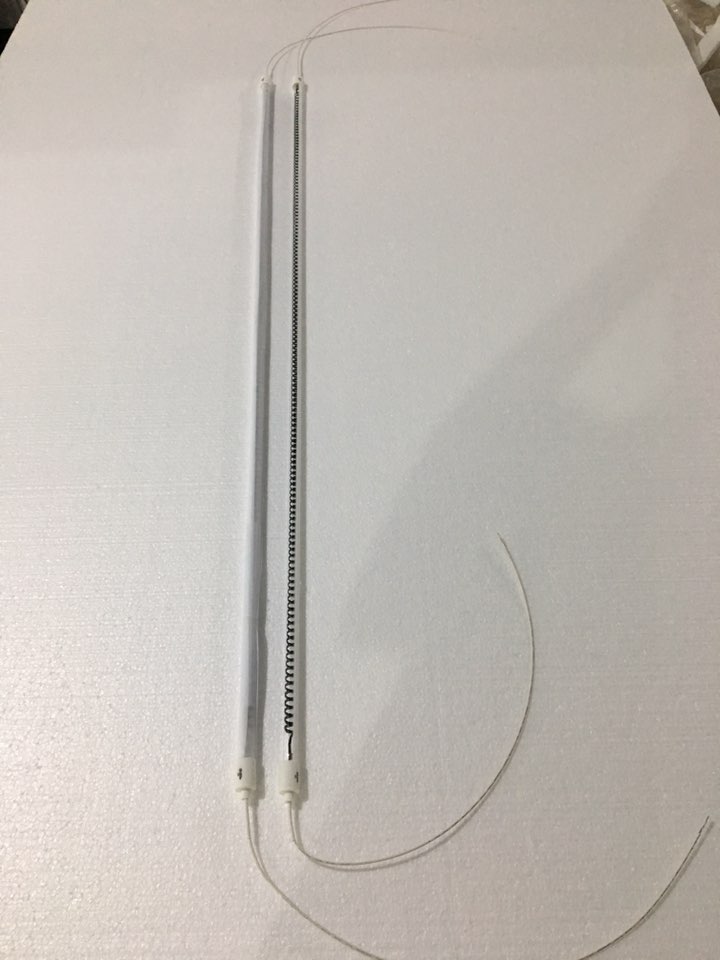
These lamps pack a punch, typically between 2500W and 3000W, and they run on 400V. That high voltage isn’t an accident. It lets us cram a lot of heat into a small space, so you get serious heat density right where you need it. The tubes are usually around 300mm long, which gives you a tight, focused heating zone that fits neatly into an oven chamber. No wasted space. Here’s the thing: that kind of power in a short distance is great, but it comes with a trade-off. Your electrical setup—wiring, terminals, and switchgear—needs to be rated for 400V and the full current draw. If the wiring is too small, it’ll run hot, and that shortens the life of the whole installation.
What’s Inside—And Why It Matters
Inside the quartz tube, we use a halogen cycle with a carbon fiber filament. The halogen cycle keeps the filament clean by putting back what naturally evaporates, which helps the lamp last longer and keeps output stable over time. The carbon fiber filament is tough—it handles rapid heating and cooling better than standard coils, so you can cycle on and off more without worrying about burnout. The outer quartz envelope is chosen for serious heat shock resistance and stays clear even at high temperatures, so the infrared energy goes where it should. And we fit these lamps with R7s connectors. That bi-pin design gives you a solid, aligned mount and a reliable electrical connection, so installation is a simple drop-in job. No fussing with alignment.
Where They Shine—And What You Get
These lamps are made for ovens that run hard, day after day—think curing, drying, and heating composites. The infrared heat hits surfaces directly, so parts warm up faster than with convection alone. That means shorter heat-up times and more precise control over your heating profile. Because of the carbon fiber build and halogen fill, the lamp can handle repeated cycling without the output dropping off quickly. You get performance you can count on, and fewer surprise stops for maintenance. The R7s base keeps the lamp firmly seated, so vibration won’t cause connection issues. Just keep this in mind: with this kind of power density, your oven’s cooling and thermal management have to be properly set up. It keeps the chamber and electronics within safe limits, and that peace of mind is worth it.