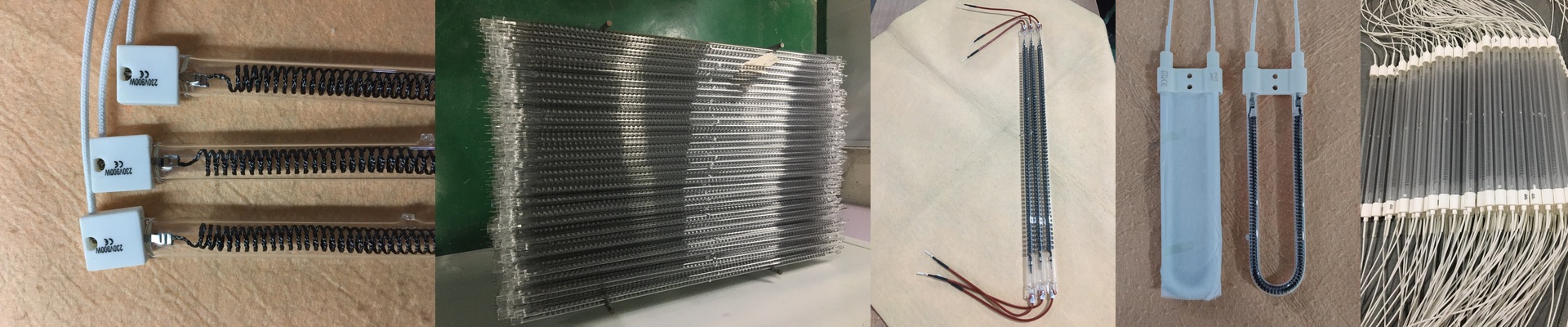
Introduction
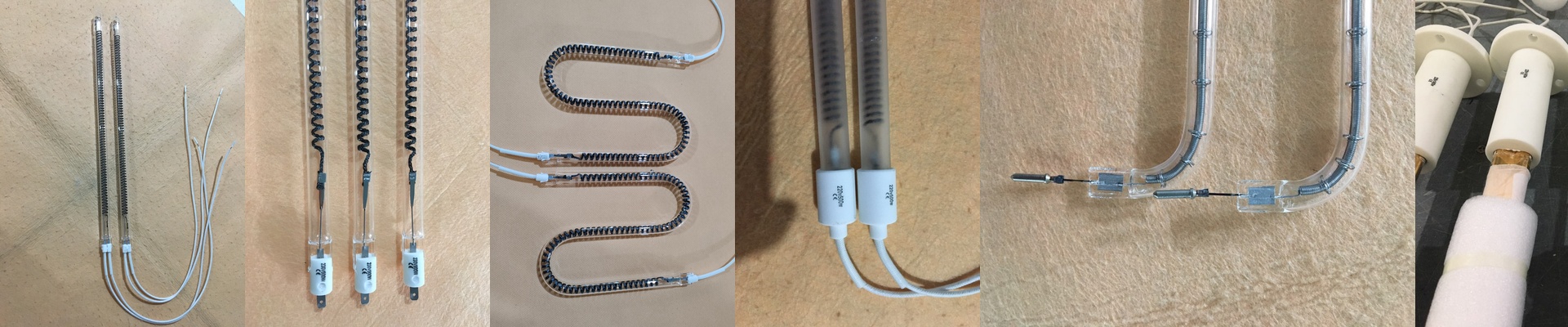
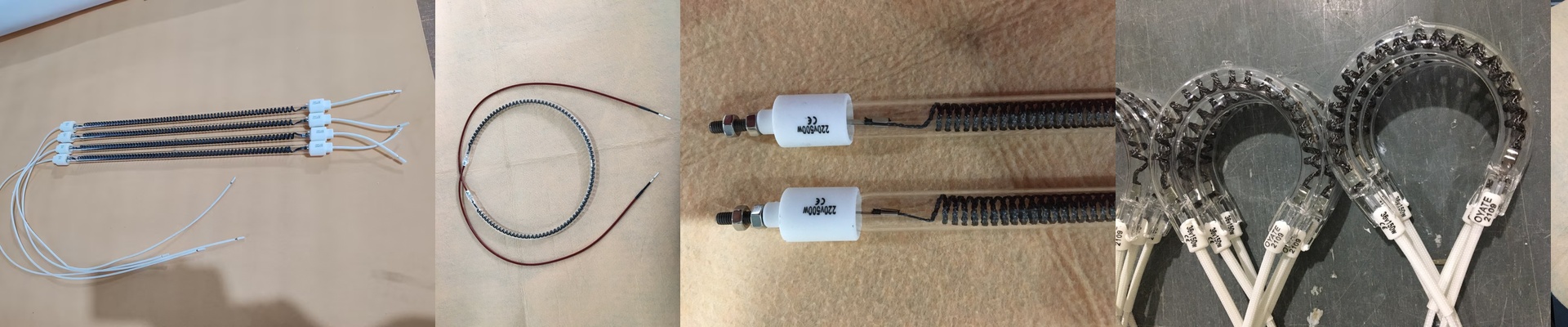
We built the carbon lamp for one reason: to give industrial machines a heat source that’s serious about space and power. When your workspace is tight and you can’t afford weak heat, this thing steps up. It’s a quartz-tube lamp designed to throw focused infrared energy exactly where you need it—right onto parts, films, and preforms. The whole point is simple: pack serious wattage into a small spot, without wasting energy heating the air around it.
The power that fits
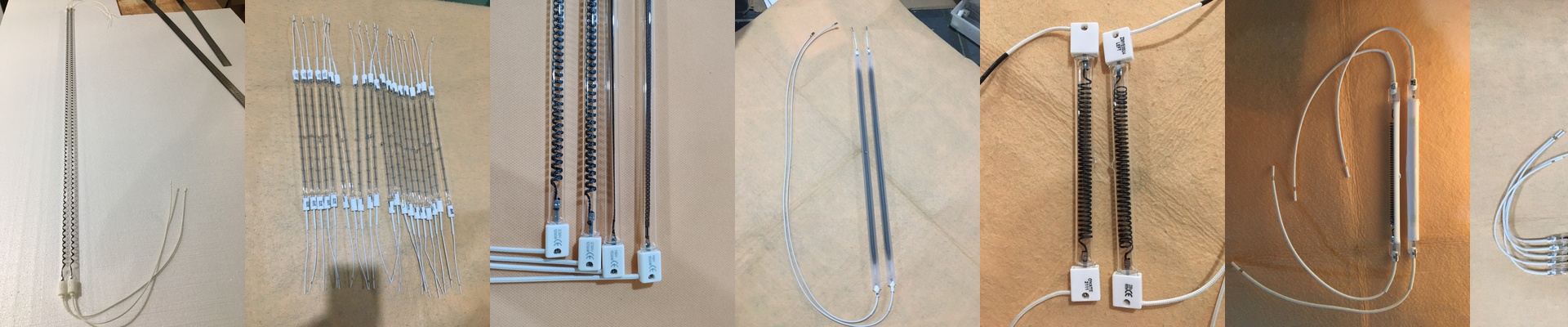
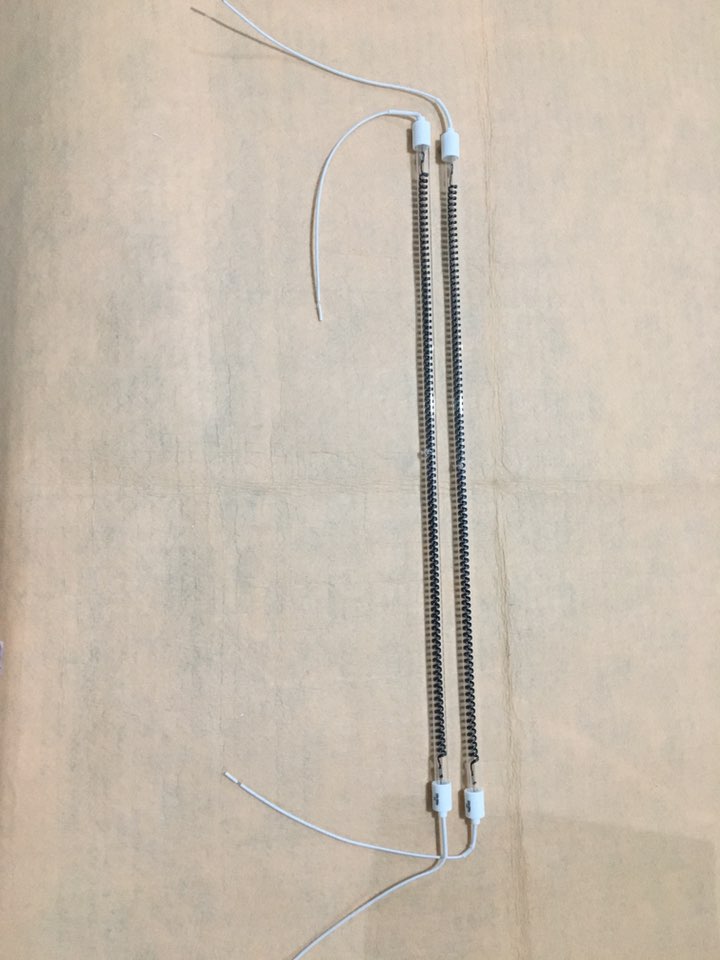
Here’s the thing—this lamp doesn’t just sound powerful on paper. It’s built to actually fit inside real machines. A typical setup gives you 2500W at 400V, all wrapped up in a slim 300mm tube. That power-to-length ratio is exactly what you need when your heating zone is squeezed between clamps, rollers, and tooling. And the 400V rating? It keeps the current lower, so your wiring and terminals stay cooler and easier to manage inside the control box.
What it’s made of, and why it matters
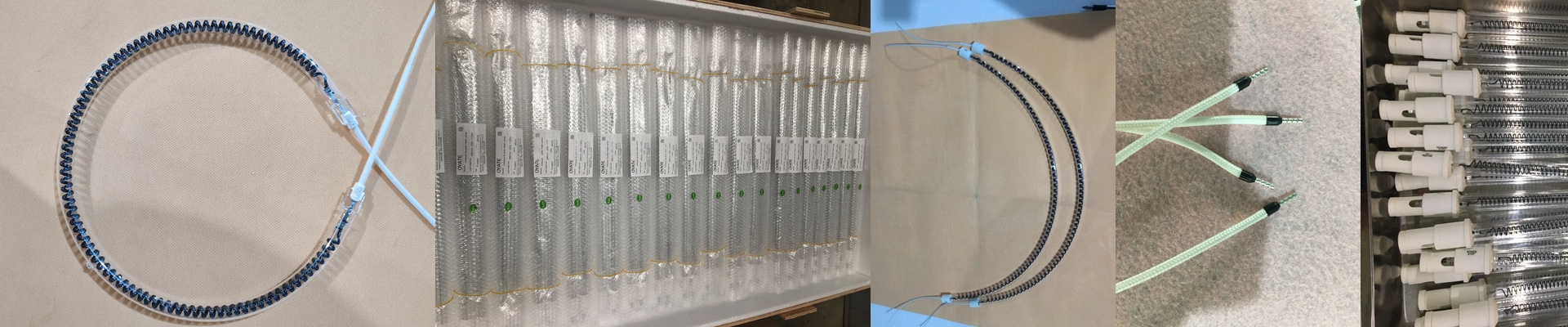
We chose quartz for the tube because it can handle fast heating and cooling cycles without cracking, and it lets infrared energy pass through cleanly. Inside, the carbon filament gives you stable resistance and predictable warm-up behavior, so your temperature control doesn’t have to fight sudden swings. Many versions also use a halogen gas fill. That helps slow down filament evaporation, so the lamp holds up better when it’s switched on and off again and again.
The connection that keeps it reliable
The R7s connector isn’t just a detail—it’s the reason this lamp drops right in and stays put. It’s a two-contact design that locks the lamp securely, handles the expansion of the quartz as it heats up, and keeps the connection solid even when the machine is vibrating.
Where it shines on the shop floor
On the floor, you’ll see this lamp doing the heavy lifting for PET preform heating, plastic film sealing, and other IR-driven thermal jobs. The concentrated radiation hits surfaces fast, which helps shorten cycle times and reduces how long parts sit under heat.
Keep it smart, keep it cool
Now, high power density comes with a trade-off: it creates a lot of local heat. That means the frame and nearby components need proper shielding and airflow. Give it enough clearance and a good cooling path, or the surrounding electronics can get cooked over time. But when you wire it right and plan for the heat, the carbon lamp delivers steady, repeatable performance—easy to service, tough enough for harsh industrial days, and consistent when it matters most.