Getting to the Heart of the Power Profile
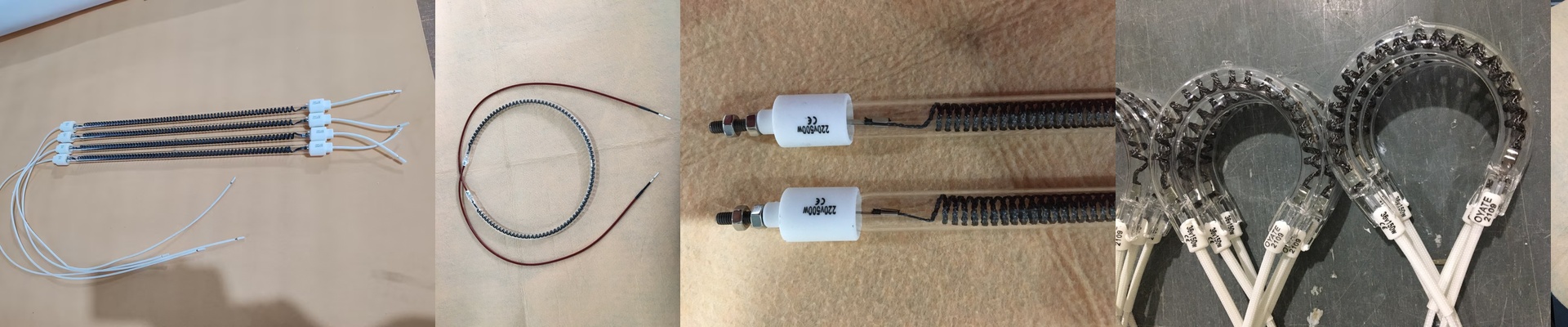
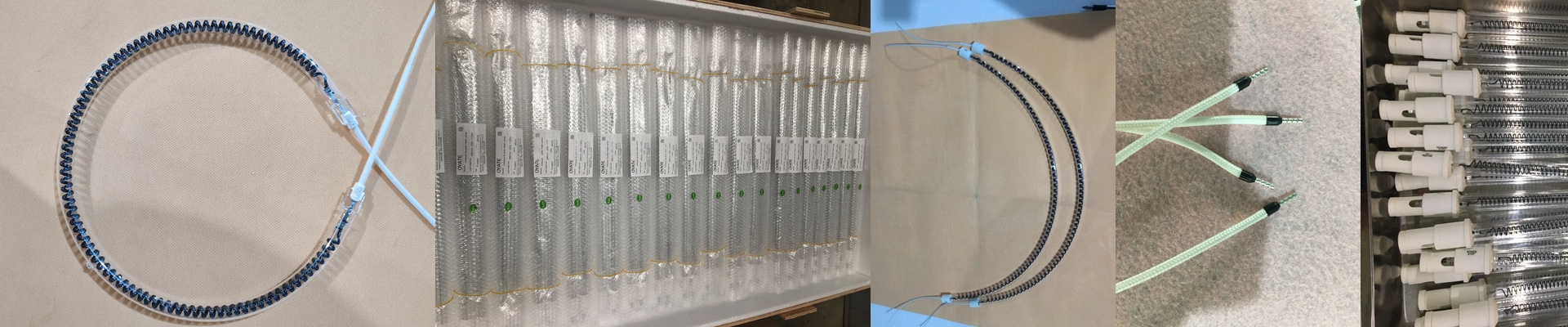
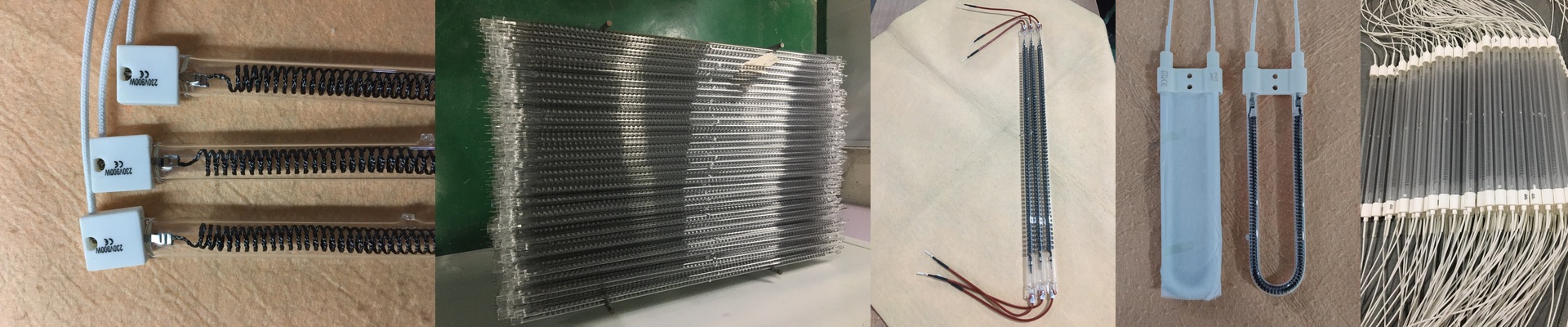
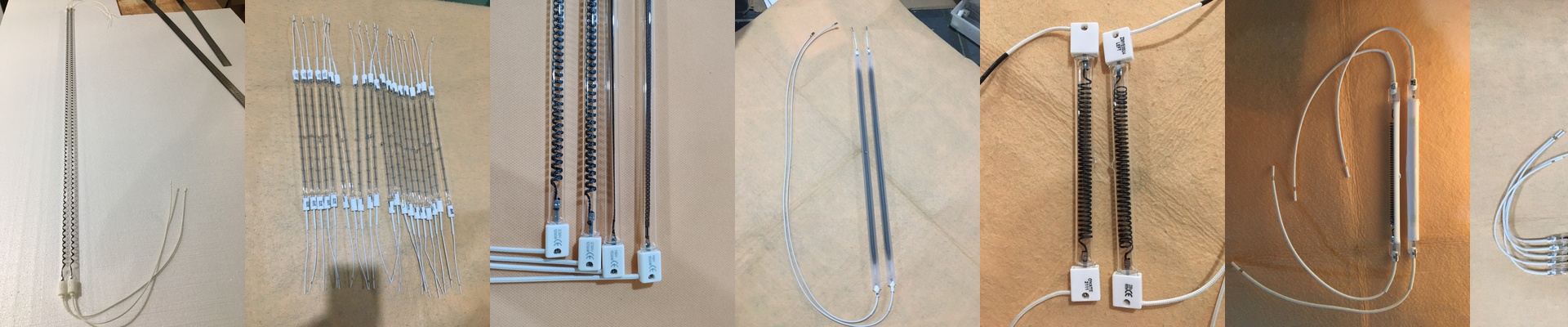
We build these carbon infrared emitters for engineers who need serious heat—not just a gentle glow. The whole idea is a high-density, shortwave design, usually running at 2500W and 400V. That voltage isn’t just a random number. It lets us pack a ton of power into a small space, so you don’t have to deal with bulky, heavy low-voltage wiring that eats up room and adds weight. And the 300mm length? It’s carefully chosen. It gives you just enough surface area to create a focused heat zone for precision work, while keeping the whole unit compact enough to slip into tight machine enclosures.
What’s Inside: Material and Electrical Choices
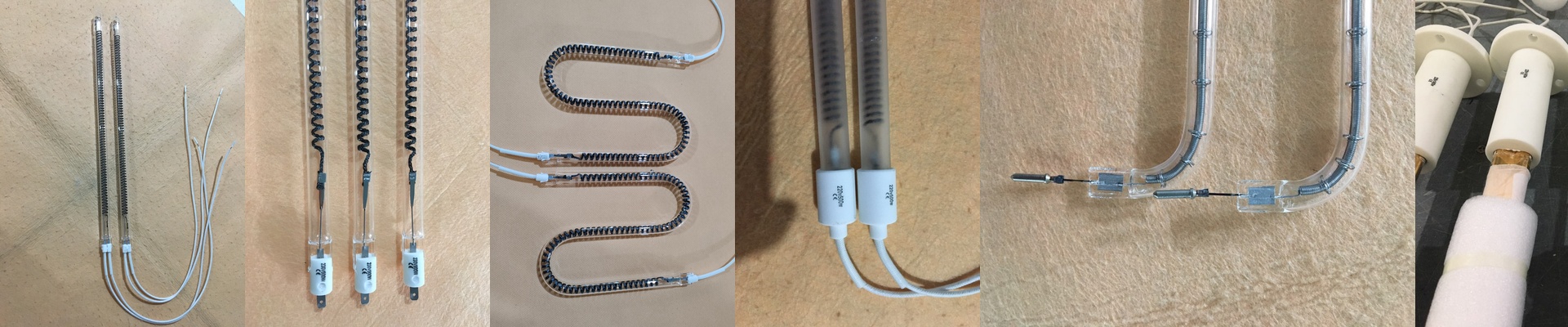
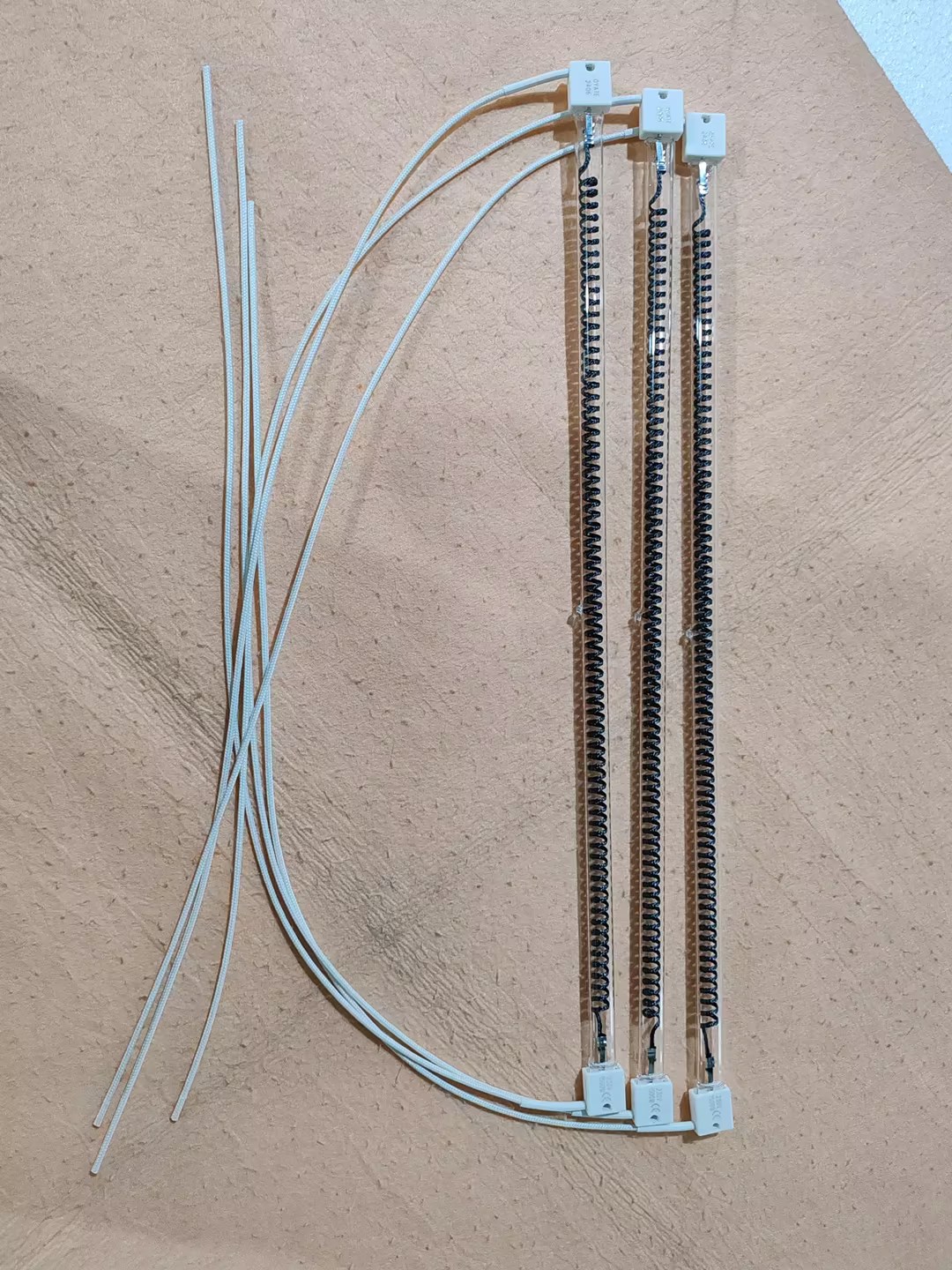
At the core, you’ve got a carbon element tucked inside a quartz tube. We fill that tube with halogen gas, and that’s where the magic happens. The gas creates a chemical cycle that puts the evaporated carbon right back onto the filament. What does that mean for you? Stable resistance over the life of the lamp. No more worrying about the sudden burn-out you get with standard tungsten elements. The tube also has a reflective coating that pushes all that IR energy forward, so you’re not wasting heat by blasting the back of your mounting hardware. For the electrical connection, we use an R7s base. That double-ended pin setup locks the lamp in place and handles the high current safely. It’s a standard, proven interface that makes this a simple, drop-in replacement.
Where It Shines—and the Trade-offs
This setup is built for industrial jobs that need fast, focused heating—like PET blowing, thermoforming, or curing lines. The shortwave output hits the target quickly, which cuts down cycle times. And thanks to the halogen cycle and coated quartz, you get long life and steady output, which means less time spent on maintenance. But here’s the thing. Running 2500W at 400V creates a lot of heat. The lamp itself gets seriously hot, and your mounting hardware has to be built to handle those temperatures. You need to make sure your machine’s cooling system is up to the task. This isn’t a plug-and-play part for a casual project. It’s a purpose-built heating tool, and it needs a machine designed to manage its heat. When you wire it in, you’re getting a tough, high-intensity heat source that can handle the grind of a 24/7 production line. Just make sure your enclosure can take the heat.